
James Kimu
September 2, 2025
The Complete Guide to Teeth Whitening: Safe Methods, Costs, and What Really Works
A bright, white smile is often associated with health, confidence, and success. If you’ve noticed your teeth becoming discolored or stained over time, you’re not alone. Tooth discoloration is one of the most common cosmetic dental concerns worldwide. Understanding the causes of tooth staining, available whitening methods, and how to maintain your results can help you achieve the brilliant smile you’ve always wanted.
Understanding Tooth Discoloration
Types of Tooth Stains
Extrinsic Stains (Surface Stains):
- Affect the outer layer of tooth enamel
- Caused by foods, drinks, and lifestyle habits
- Usually easier to remove
- Respond well to whitening treatments
- Can often be prevented with good oral hygiene
Intrinsic Stains (Deep Stains):
- Occur within the tooth structure
- Result from medications, trauma, or aging
- More challenging to treat
- May require professional intervention
- Sometimes permanent without advanced treatment
Age-Related Discoloration:
- Combination of extrinsic and intrinsic factors
- Enamel thins naturally with age
- Yellow dentin becomes more visible
- Progressive over time
- Common in adults over 40
Common Causes of Tooth Discoloration
Dietary Factors:
- Coffee and tea: Contain tannins that stain teeth
- Red wine: Dark pigments adhere to enamel
- Dark sodas: Acidic and highly pigmented
- Berries: Intensely colored fruits can stain
- Curry and tomato sauce: Deep pigments in spices
- Soy sauce and balsamic vinegar: Dark, acidic condiments
Lifestyle Habits:
- Tobacco use: Causes yellow to brown stains
- Poor oral hygiene: Allows plaque buildup and staining
- Inadequate brushing: Fails to remove surface stains
- Skipping dental cleanings: Professional care prevents staining
Medical and Developmental Factors:
- Antibiotics: Tetracycline causes gray or brown bands
- Excessive fluoride: Can cause white spots or brown staining
- Trauma: Injuries can darken teeth permanently
- Dental work: Old fillings or crowns may discolor
- Certain medications: Antihistamines, blood pressure drugs
Professional Teeth Whitening Options
In-Office Whitening Treatments
Professional whitening performed at dental clinics in Nairobi offers the fastest and most dramatic results:
How It Works:
- High-concentration bleaching gel applied to teeth
- Special light or laser may activate the gel
- Multiple applications during single visit
- Results visible immediately
- Treatment typically takes 60-90 minutes
Advantages:
- Immediate, dramatic results (up to 8 shades lighter)
- Supervised by dental professionals
- Protected gums and soft tissues
- Consistent, even whitening
- Safe and effective for most patients
Best Candidates:
- People wanting rapid results
- Those with stubborn stains
- Patients needing whitening for special occasions
- Individuals with healthy teeth and gums
- People preferring professional supervision
What to Expect:
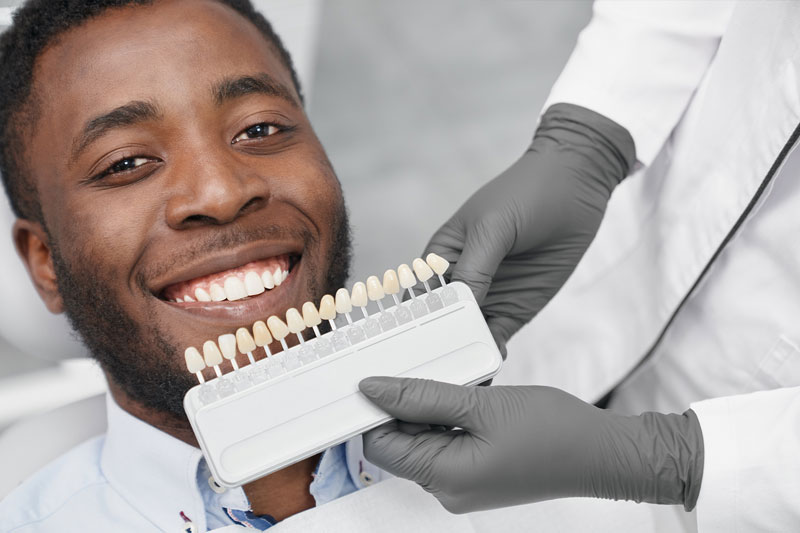
- Initial consultation and shade assessment
- Thorough cleaning to remove plaque
- Gum protection application
- Bleaching gel application (multiple rounds)
- Post-treatment care instructions
- Follow-up appointments if needed
Take-Home Professional Whitening Kits
Custom whitening trays provided by your dentist offer professional results at home:
Components:
- Custom-fitted trays made from dental impressions
- Professional-strength whitening gel
- Detailed usage instructions
- Follow-up appointments for monitoring
Treatment Protocol:
- Wear trays for specified time (usually 30 minutes to overnight)
- Continue for 1-2 weeks for optimal results
- Gradual whitening process
- Convenient home application
- Professional monitoring throughout
Benefits:
- Professional-grade results at home
- Custom fit prevents gel leakage
- Flexible treatment schedule
- More affordable than in-office whitening
- Can be used for maintenance treatments
Combination Treatments
Many dental practices offer combination approaches:
- In-office treatment for immediate results
- Take-home kit for maintenance and enhancement
- Best of both methods
- Longer-lasting results
- Optimal shade achievement
Over-the-Counter Whitening Products
Whitening Toothpastes
How They Work:
- Mild abrasives remove surface stains
- Some contain low-concentration peroxide
- Limited whitening effect (1-2 shades)
- Require consistent, long-term use
Effectiveness:
- Good for maintaining existing whiteness
- Limited impact on deep stains
- Safe for daily use
- Affordable option
- Works best for recent surface stains
Usage Tips:
- Use as directed on packaging
- Don’t expect dramatic results
- Combine with other whitening methods
- Choose products with fluoride for cavity protection
Whitening Strips
Features:
- Thin, flexible strips coated with peroxide gel
- Applied directly to teeth for specified time
- Available at pharmacies throughout Nairobi
- Moderate whitening effect (2-4 shades)
- Results appear within days to weeks
Pros and Cons:
- Pros: Convenient, affordable, no prescription needed
- Cons: May not fit all tooth shapes, can cause sensitivity, uneven results possible
Best Practices:
- Follow instructions precisely
- Don’t exceed recommended wear time
- Avoid eating or drinking during treatment
- Continue for full treatment course
Whitening Gels and Pens
Application:
- Gel applied with brush or pen applicator
- Thin layer painted on teeth
- Dries to form whitening film
- Worn for specified duration
Considerations:
- Less effective than professional treatments
- Requires precise application
- Results vary by product quality
- May need frequent reapplication
LED Whitening Kits
Components:
- Whitening gel and LED light device
- At-home light activation system
- Various brands available
- Marketed as professional alternative
Reality Check:
- Results less dramatic than professional treatments
- Light may have limited activating effect
- Quality varies significantly between brands
- More expensive than basic over-the-counter options
Natural and Alternative Whitening Methods
Evidence-Based Natural Methods
Oil Pulling:
- Ancient Ayurvedic practice
- Swishing coconut or sesame oil in mouth
- May reduce bacteria and plaque
- Limited whitening effect
- Safe supplementary practice
Baking Soda:
- Mild abrasive removes surface stains
- Natural and inexpensive
- Should be used sparingly (not daily)
- Can damage enamel if overused
- Best mixed with regular toothpaste
Hydrogen Peroxide Rinse:
- Diluted solution as mouthwash
- Mild whitening and antibacterial effects
- Must be properly diluted (1.5-3%)
- Don’t swallow solution
- Use cautiously and infrequently
Methods to Avoid
Lemon Juice or Apple Cider Vinegar:
- Highly acidic, erodes enamel
- Causes permanent tooth damage
- Increases sensitivity
- Makes teeth more prone to staining
- Not recommended by dental professionals
Activated Charcoal:
- Lacks scientific evidence for whitening
- May be too abrasive for enamel
- Can get stuck in dental work
- Messy and difficult to use
- Better options available
Strawberries or Other Fruits:
- Acids can damage enamel
- Sugar feeds bacteria
- Minimal to no whitening effect
- Risk outweighs any potential benefit
Safety Considerations and Side Effects
Common Side Effects
Tooth Sensitivity:
- Most common side effect of whitening
- Usually temporary (days to weeks)
- Varies by individual sensitivity
- Can be managed with desensitizing products
- Reduces with discontinuation of treatment
Gum Irritation:
- Caused by gel contact with soft tissues
- More common with poorly fitting trays
- Usually resolves quickly
- Preventable with proper application
- Professional treatments minimize this risk
Uneven Results:
- May occur with over-the-counter products
- Dental work doesn’t whiten (crowns, veneers, fillings)
- Requires professional assessment
- May need replacement of old dental work
Who Should Avoid Whitening
Not Recommended For:
- Pregnant or nursing women
- Children under 16 (developing teeth)
- People with extremely sensitive teeth
- Those with severe gum disease
- Patients with worn enamel
- Individuals with exposed tooth roots
Special Considerations:
- Existing dental work won’t change color
- Very dark stains may not respond well
- Some medications cause staining that won’t lighten
- Consult dentist before starting any whitening treatment
Maintaining Your Whitening Results
Daily Habits for Lasting Whiteness
Oral Hygiene Excellence:
- Brush twice daily with fluoride toothpaste
- Floss daily to remove plaque between teeth
- Use whitening toothpaste for maintenance
- Rinse after consuming staining foods or drinks
- Regular tongue cleaning reduces bacteria
Dietary Modifications:
- Drink staining beverages through a straw
- Rinse mouth with water after coffee or tea
- Limit consumption of highly pigmented foods
- Choose white wine over red when drinking
- Brush or rinse after eating staining foods
Lifestyle Adjustments:
- Quit smoking and tobacco use
- Reduce coffee and tea consumption
- Avoid dark sodas and sports drinks
- Stay hydrated with water throughout the day
- Consider dietary changes to protect results
Professional Maintenance
Regular Dental Visits:
- Professional cleanings every 6 months
- Remove plaque and surface stains
- Monitor whitening results
- Address any new staining promptly
- Available at dental clinics throughout Nairobi
Touch-Up Treatments:
- Periodic use of take-home trays
- Annual or bi-annual in-office treatments
- Whitening toothpaste for daily maintenance
- Quick treatments before special occasions
- Customized maintenance schedule
Cost Considerations for Whitening Treatments
Professional Treatment Investment
In-Office Whitening:
- Most expensive option initially
- Fastest and most dramatic results
- Single appointment convenience
- Professional supervision and safety
- Long-lasting results with proper care
Take-Home Professional Kits:
- Moderate cost investment
- Custom trays can be reused
- Only need to purchase new gel for touch-ups
- Better value for long-term maintenance
- Professional-grade results
Over-the-Counter Options
Budget-Friendly Choices:
- Significantly less expensive
- Require more patience for results
- May need frequent repurchasing
- Variable effectiveness
- Good for minor staining only
Value Assessment
When evaluating costs, consider:
- Longevity of results
- Safety and effectiveness
- Professional supervision benefits
- Time investment required
- Quality of results achieved
- Long-term maintenance needs
Choosing the Right Whitening Method
Factors to Consider
Your Goals:
- How white do you want your teeth?
- How quickly do you need results?
- What’s your budget for treatment?
- How much maintenance are you willing to do?
Your Dental Health:
- Current tooth condition
- Presence of cavities or gum disease
- Existing dental work
- Tooth sensitivity level
- Overall oral health status
Your Lifestyle:
- Coffee, tea, or wine consumption
- Tobacco use
- Dietary habits
- Time available for treatments
- Commitment to maintenance
Consulting with Dental Professionals
A consultation with a qualified dentist helps determine:
- Best whitening method for your situation
- Realistic expectations for results
- Pre-treatment dental work needed
- Customized whitening plan
- Post-treatment maintenance strategy
Realistic Expectations and Timeline
What Whitening Can and Cannot Do
Whitening CAN:
- Remove years of staining
- Brighten natural tooth color
- Create a more youthful appearance
- Boost confidence and self-esteem
- Improve smile aesthetics significantly
Whitening CANNOT:
- Change the color of dental work (crowns, veneers, fillings)
- Whiten teeth beyond their natural lightest shade
- Fix structural tooth problems
- Replace good oral hygiene
- Provide permanent results without maintenance
Expected Timeline for Results
In-Office Professional Whitening:
- Immediate results visible same day
- Optimal shade achieved in 60-90 minutes
- May continue improving for 24-48 hours
Take-Home Professional Kits:
- Initial results in 3-5 days
- Optimal results in 1-2 weeks
- Gradual, natural-looking improvement
Over-the-Counter Products:
- Initial changes in 1-2 weeks
- Maximum effect in 4-6 weeks
- Requires consistent, ongoing use
The Future of Teeth Whitening
Emerging Technologies
Advanced Whitening Systems:
- Improved formulations with less sensitivity
- More effective light-activation technology
- Faster treatment times
- Longer-lasting results
Innovative Approaches:
- Nano-technology whitening
- Enzyme-based treatments
- Natural whitening compounds
- Personalized whitening protocols
Conclusion
Achieving a brighter, whiter smile is more accessible than ever, with options ranging from professional treatments to at-home products. The key to successful teeth whitening lies in understanding your options, choosing safe and effective methods, and maintaining results through good oral hygiene and lifestyle choices.
Professional whitening treatments supervised by qualified dental professionals offer the safest, most effective, and longest-lasting results. Whether you choose in-office whitening for immediate results or a take-home kit for gradual improvement, professional guidance ensures optimal outcomes while protecting your dental health.
Before starting any whitening treatment, consult with a dental professional to assess your teeth, discuss your goals, and develop a personalized whitening plan. With the right approach and commitment to maintenance, you can achieve and maintain the brilliant, confident smile you deserve.
Ready to brighten your smile? Schedule a consultation at a reputable dental clinic in Nairobi to explore your teeth whitening options and take the first step toward a more radiant, confident smile.