
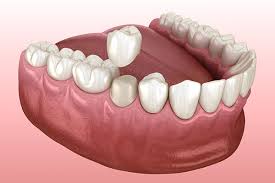
Dental crowns, sometimes called caps, are custom-made restorations that cover the entire visible portion of a tooth, restoring its shape, size, strength, and appearance. Crowns are versatile restorations used in numerous situations when teeth are too damaged or weakened for simple fillings.
Common Reasons for Crown Treatment
After Root Canal Treatment Root canal-treated teeth lose their internal blood supply and become brittle, making them prone to fracture under normal chewing forces. Crowns protect these vulnerable teeth, distributing forces evenly and preventing cracks or breaks. Most endodontists and dentists recommend crowns for all root canal-treated back teeth.
Large Fillings or Severe Decay When cavities destroy more than 50% of tooth structure, or when large existing fillings fail, crowns provide better long-term solutions than replacement fillings. Crowns encompass and protect remaining tooth structure rather than relying on compromised tooth walls for support.
Cracked or Fractured Teeth Teeth develop cracks from: biting hard objects, grinding/clenching habits, large fillings weakening tooth structure, trauma, or temperature extremes. Crowns hold cracked teeth together, preventing crack propagation that could eventually split the tooth and necessitate extraction.
Severe Tooth Wear Grinding habits (bruxism), acidic diet, or aggressive brushing gradually wear down teeth. Severely worn teeth lose vertical dimension, affecting bite and facial appearance. Crowns restore proper tooth height and protect against further wear.
Cosmetic Improvement Crowns improve appearance of teeth that are: severely discolored (tetracycline staining, fluorosis), misshapen or abnormally small, or have large gaps. All-ceramic crowns provide excellent aesthetic results for front teeth.
Dental Implant Restoration Crowns attached to dental implants replace missing teeth, providing the visible, functional portion of implant restorations.
Anchor for Dental Bridges Crowns on teeth adjacent to gaps support and anchor dental bridges, which replace missing teeth.
Types of Crown Materials
Porcelain/Ceramic Crowns
- All-ceramic material with no metal
- Most natural-looking option
- Excellent for front teeth requiring superior aesthetics
- Translucency mimics natural tooth enamel
- Biocompatible with no metal allergies
- Less strong than metal options
- Best for light to moderate bite forces
Porcelain-Fused-to-Metal (PFM) Crowns
- Metal substructure provides strength
- Porcelain overlay provides aesthetic appearance
- Balance of strength and aesthetics
- Suitable for front and back teeth
- Metal may show as dark line at gumline over time
- Less translucent than all-ceramic
Gold or Metal Alloy Crowns
- Exceptional durability and longevity (20+ years)
- Require minimal tooth removal
- Withstand heavy chewing forces
- Rarely chip or break
- Ideal for back molars where aesthetics less important
- Gold color visible when smiling
Zirconia Crowns
- High-strength ceramic material
- Excellent aesthetics and durability
- Biocompatible and metal-free
- Suitable for front and back teeth
- More resistant to fracture than porcelain
- Increasingly popular for all applications
Crown Options Available:
- All-porcelain crowns for natural-looking front teeth with superior aesthetics
- All-ceramic crowns – metal-free with excellent strength and appearance
- Porcelain-fused-to-metal crowns for strength and beauty combination
- Zirconia crowns for maximum strength with aesthetic results
- Gold crowns for exceptional durability on back teeth
- Same-day crown fabrication available using CEREC technology
- Custom shade matching for seamless integration with existing teeth
- Digital design for precision fit and optimal contours
Crown Benefits:
- Restores full tooth strength and chewing function
- Protects weakened teeth from fracture
- Natural appearance with custom color matching
- Durable, long-lasting restoration (10-15+ years)
- Prevents further tooth damage or decay
- Improves bite alignment and comfort
- Enhances smile aesthetics
- Biocompatible materials safe for oral environment

