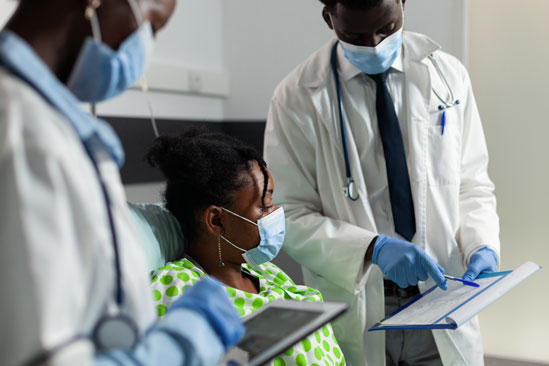
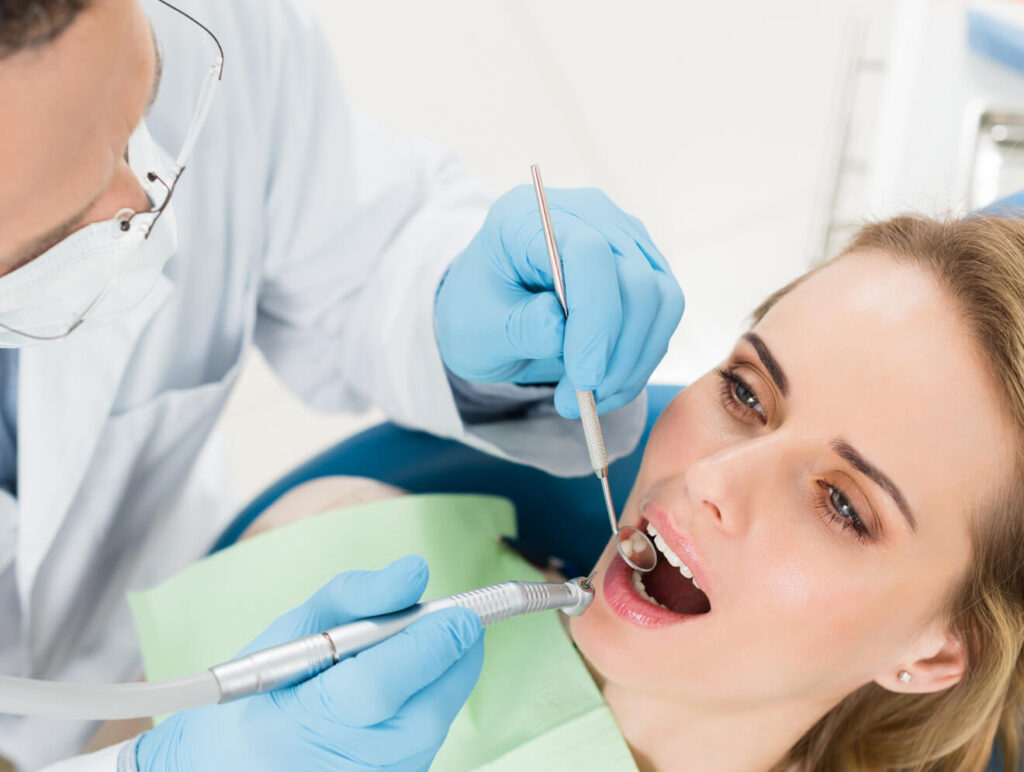
Dental emergencies can happen at any time, often when you least expect them. Knowing how to respond quickly and appropriately can mean the difference between saving and losing a tooth, or between a minor issue and a major complication. Understanding what constitutes a true dental emergency, how to manage the situation before reaching professional care, and where to find emergency dental services can help you protect your oral health during critical moments.
Recognizing True Dental Emergencies
Situations Requiring Immediate Attention
Knocked-Out Tooth (Avulsed Tooth):
- Time is critical for successful reimplantation
- Best chance of saving tooth is within 30 minutes
- Permanent teeth can potentially be saved
- Baby teeth are typically not reimplanted
- Requires immediate professional intervention
Severe Toothache or Abscess:
- Intense, throbbing pain that doesn’t respond to pain medication
- Swelling in face, jaw, or neck
- Fever accompanying dental pain
- Difficulty swallowing or breathing
- Signs of spreading infection requiring urgent care
Broken or Fractured Jaw:
- Result of facial trauma or injury
- Difficulty opening or closing mouth
- Misaligned bite or jaw
- Severe pain and swelling
- Requires emergency medical and dental attention
Significant Bleeding:
- Bleeding that doesn’t stop after 10-15 minutes of pressure
- Result of trauma, extraction, or injury
- Blood-soaked gauze requiring frequent replacement
- Possible damage to blood vessels
- Needs immediate professional evaluation
Soft Tissue Injuries:
- Deep cuts or lacerations to lips, cheeks, tongue, or gums
- Puncture wounds in mouth
- Injuries that won’t stop bleeding
- Trauma affecting facial structures
- May require stitches or surgical repair
Urgent But Non-Emergency Situations
Chipped or Cracked Tooth:
- Tooth damage without severe pain
- Sharp edges causing discomfort
- No exposed nerve or pulp
- Can wait for next-day appointment
- Save any broken pieces for dentist
Lost Filling or Crown:
- Temporary discomfort or sensitivity
- Tooth structure exposed
- Not immediately painful
- Can be managed temporarily at home
- Schedule appointment within days
Object Stuck Between Teeth:
- Food or foreign object lodged tightly
- Causing discomfort but not severe pain
- Cannot be removed with floss
- No bleeding or infection signs
- Needs professional removal but not emergency
Minor Toothache:
- Mild to moderate pain
- Responds to over-the-counter medication
- No swelling or fever
- Possibly cavity-related
- Schedule regular appointment soon
Common Dental Emergencies and First Aid
Knocked-Out Permanent Tooth
Immediate Steps:
- Find the tooth and handle it carefully by the crown (top), never the root
- Rinse gently with water if dirty (don’t scrub or remove tissue fragments)
- Try to reinsert the tooth into its socket if possible
- Keep moist if reimplantation isn’t possible:
- Store in milk (best option)
- Place in patient’s saliva (inside cheek)
- Use saline solution or tooth preservation product
- Never use tap water for storage
- Seek immediate care within 30 minutes for best outcome
What NOT to Do:
- Don’t touch or handle the root surface
- Don’t scrub or clean the tooth vigorously
- Don’t let the tooth dry out
- Don’t wrap in tissue or cloth
- Don’t delay seeking professional care
Severe Toothache or Dental Abscess
Temporary Relief Measures:
- Rinse mouth with warm salt water (1 teaspoon salt per cup)
- Take over-the-counter pain medication as directed
- Apply cold compress to outside of cheek
- Avoid very hot, cold, or sweet foods
- Keep head elevated to reduce pressure
- Never apply aspirin directly to gum (causes burns)
Warning Signs Requiring Emergency Care:
- High fever (over 101°F/38.5°C)
- Facial swelling spreading rapidly
- Difficulty breathing or swallowing
- Swelling closing eye or affecting vision
- Confusion or altered mental state
At the Dental Clinic:
- X-rays to identify infection source
- Drainage of abscess if present
- Antibiotics prescribed for infection
- Root canal or extraction may be necessary
- Pain management and follow-up care
Broken, Chipped, or Cracked Teeth
Immediate Care:
- Rinse mouth with warm water to clean area
- Save any tooth fragments in milk or saliva
- Apply gauze to bleeding areas (10-15 minutes)
- Use cold compress on face to reduce swelling
- Cover sharp edges with dental wax or sugar-free gum
- Take pain medication if needed
Types of Tooth Fractures:
- Minor chips: Affect enamel only, usually not painful
- Moderate cracks: Extend into dentin, may be sensitive
- Severe fractures: Expose tooth pulp, very painful, urgent care needed
- Split tooth: Vertical crack, may require extraction
- Root fracture: Below gum line, symptoms vary
Treatment Options:
- Bonding or filling for minor chips
- Crown or veneer for larger fractures
- Root canal if pulp is exposed
- Extraction for severely damaged teeth
- Various restorative options available at dental clinics in Nairobi
Lost Filling or Crown
Temporary Management:
- Clean the tooth and crown gently
- Try to reinsert crown with dental cement or toothpaste (temporary)
- Avoid chewing on affected side
- Protect tooth from temperature extremes
- Don’t use super glue or other adhesives
- Schedule dental appointment promptly
Why Prompt Treatment Matters:
- Exposed tooth vulnerable to decay
- Risk of further damage or fracture
- Possible tooth sensitivity
- Bite alignment may shift
- Infection can develop in exposed areas
Soft Tissue Injuries
Managing Mouth Injuries:
- Rinse mouth with mild salt water solution
- Apply pressure with clean gauze or cloth
- Use cold compress on outside of mouth to reduce swelling
- Control bleeding by maintaining pressure for 10-15 minutes
- Seek care if bleeding doesn’t stop or injury is severe
When Stitches May Be Needed:
- Deep cuts or lacerations
- Injuries with flap of tissue
- Wounds longer than 1 cm
- Cuts with irregular or jagged edges
- Injuries that continue bleeding
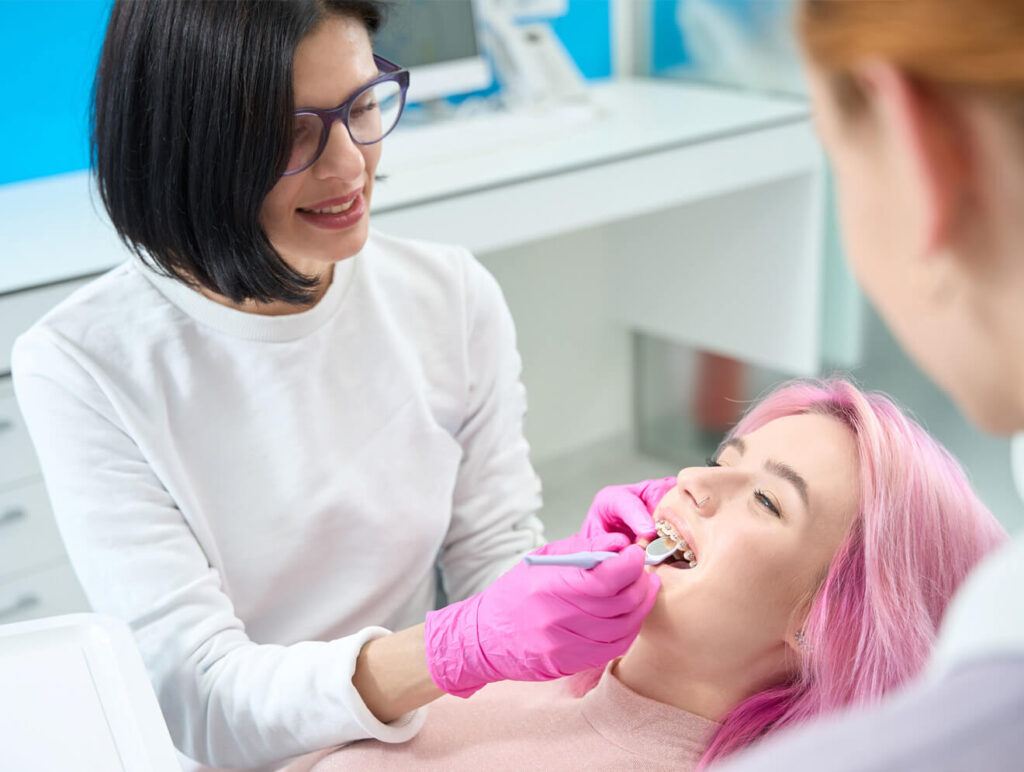
Orthodontic Emergencies
Common Issues:
- Broken or loose brackets
- Protruding or broken wires
- Lost elastic bands
- Discomfort from new adjustments
- Loose or damaged retainers
Temporary Solutions:
- Use orthodontic wax to cover sharp edges
- Gently push wire away from cheek with eraser end of pencil
- Cut protruding wire with clean nail clippers if necessary
- Remove loose bands or brackets if easily detachable
- Take pain medication for adjustment discomfort
Preventing Dental Emergencies
Protective Measures
Sports Safety:
- Wear custom-fitted mouthguards during contact sports
- Use face shields for high-impact activities
- Protective gear for hockey, football, basketball, martial arts
- Mouthguards also recommended for skateboarding, biking
- Custom guards from dentist offer best protection
Avoiding Dental Trauma:
- Don’t use teeth as tools (opening packages, bottles)
- Avoid chewing ice, hard candies, popcorn kernels
- Cut hard foods into smaller pieces
- Be cautious with sticky foods that can pull out fillings
- Don’t bite nails or chew on pens
Regular Preventive Care:
- Biannual dental checkups detect problems early
- Professional cleanings prevent decay and gum disease
- X-rays identify hidden issues
- Early treatment prevents emergencies
- Maintain good daily oral hygiene routine
High-Risk Groups
Children and Adolescents:
- Active lifestyles increase injury risk
- Sports participation requires mouthguards
- Teaching proper oral care prevents emergencies
- Regular dental visits monitor development
- Education about avoiding dental trauma
People with Existing Dental Issues:
- Weakened teeth more prone to fracture
- Large fillings may fail unexpectedly
- Gum disease increases tooth mobility
- Regular monitoring prevents sudden problems
- Address dental issues promptly
Finding Emergency Dental Care in Nairobi
When to Go to Emergency Room vs. Dental Clinic
Go to Hospital Emergency Room For:
- Jaw fractures or dislocations
- Severe facial trauma
- Uncontrolled bleeding
- Difficulty breathing or swallowing
- Loss of consciousness
- Suspected head or neck injury
Contact Emergency Dentist For:
- Knocked-out teeth
- Severe toothaches or abscesses
- Broken teeth with exposed nerves
- Lost fillings or crowns causing pain
- Orthodontic emergencies
- Most other dental-specific issues
Choosing an Emergency Dental Provider
What to Look For:
- After-hours availability and emergency contact numbers
- Experience handling dental emergencies
- Modern diagnostic equipment (X-rays, imaging)
- Pain management options
- Clear communication about costs and procedures
- Location and accessibility in Nairobi
Questions to Ask:
- Do you offer same-day emergency appointments?
- What are your after-hours contact procedures?
- What emergency services do you provide?
- Do you handle all types of dental emergencies?
- What payment options are available?
Preparing for Dental Emergencies
Create an Emergency Dental Kit:
- Dentist’s contact information (phone, address)
- After-hours emergency dental contact
- Small container with lid (for knocked-out tooth)
- Gauze pads or clean cloth
- Dental wax
- Over-the-counter pain medication
- Cold compress or ice pack
- Temporary dental cement
- Dental floss
- Small flashlight
Important Information to Keep:
- List of current medications
- Known drug allergies
- Medical conditions affecting dental treatment
- Dental insurance information
- Recent dental X-rays or records
- Emergency contact numbers
Cost Considerations for Emergency Dental Care
Understanding Emergency Fees
Typical Cost Factors:
- Time of service (after-hours, weekends, holidays)
- Type and complexity of emergency
- Diagnostic procedures needed (X-rays, exams)
- Treatment provided
- Materials and medications used
- Follow-up care requirements
Managing Emergency Costs:
- Check dental insurance coverage for emergencies
- Ask about payment plans before treatment
- Understand what’s included in emergency fees
- Get written estimates when possible
- Many Nairobi clinics offer flexible payment options
Insurance and Payment Options
Insurance Coverage:
- Most plans cover emergency dental care
- May require pre-authorization for certain procedures
- After-hours fees may have different coverage
- Keep insurance cards readily accessible
- Understand your policy’s emergency provisions
Alternative Payment Solutions:
- Payment plans offered by many dental practices
- Medical credit cards for healthcare expenses
- Personal loans for extensive treatment
- Some clinics offer discounts for cash payment
- Preventive care costs less than emergency treatment
Special Considerations
Dental Emergencies During Pregnancy
Safe Emergency Care:
- Inform dentist immediately about pregnancy
- Most emergency treatments are safe during pregnancy
- Second trimester is ideal for dental procedures
- X-rays with proper shielding are generally safe
- Some medications may be avoided or adjusted
Common Pregnancy-Related Issues:
- Pregnancy gingivitis causing swelling
- Increased risk of tooth decay
- Loose teeth from hormonal changes
- Wisdom teeth problems
- Existing dental issues worsening
Managing Children’s Dental Emergencies
Special Considerations:
- Stay calm to keep child calm
- Use age-appropriate explanations
- Bring comfort items to dental visit
- Find pediatric emergency dentist when possible
- Baby teeth emergencies handled differently than permanent teeth
Common Childhood Emergencies:
- Falls causing tooth trauma
- Sports injuries
- Objects stuck between teeth
- Knocked-out baby teeth (usually not reimplanted)
- Severe toothaches from cavities
Seniors and Dental Emergencies
Age-Related Factors:
- Medications may affect treatment options
- Multiple health conditions complicate care
- Denture-related emergencies
- Weakened teeth more prone to fracture
- May need medical clearance for certain procedures
After Emergency Treatment
Follow-Up Care Importance
Why Follow-Up Matters:
- Ensures proper healing
- Monitors for complications
- Completes multi-stage treatments
- Adjusts medications if needed
- Provides long-term solutions
Typical Follow-Up Timeline:
- Initial check within days to week
- Regular monitoring appointments
- Completion of permanent restorations
- Evaluation of treatment success
- Preventive care planning
Long-Term Solutions
Beyond Emergency Treatment:
- Permanent restorations replace temporary fixes
- Root canals may follow emergency treatment
- Crowns or bridges for damaged teeth
- Orthodontic solutions for alignment issues
- Preventive strategies to avoid recurrence
Lifestyle Adjustments:
- Modified diet during healing
- Enhanced oral hygiene routine
- Use of protective devices (nightguards, mouthguards)
- Regular dental checkups
- Addressing underlying issues
Conclusion
Dental emergencies are stressful, but knowing how to respond appropriately can significantly improve outcomes. Understanding what constitutes a true emergency, providing proper first aid, and seeking timely professional care are essential skills for protecting your oral health.
Prevention remains the best approach to avoiding dental emergencies. Regular checkups at a trusted dental clinic, good oral hygiene, protective gear during sports, and avoiding risky behaviors can prevent many emergency situations. However, when emergencies do occur, having a plan and knowing where to find quality emergency dental care makes all the difference.
Don’t wait for an emergency to find a dental provider. Establish a relationship with a reputable dental clinic in Nairobi that offers emergency services. Keep emergency contact information readily available, maintain a dental emergency kit, and educate family members about responding to dental trauma.
If you’re experiencing a dental emergency right now, contact an emergency dental provider immediately. Quick action can save teeth, prevent complications, and relieve pain. Your oral health is too important to delay when emergencies strike.
Etiam malesuada fermentum quam
Etiam varius sem sit amet enim lacinia venenatis. Mauris dolor nunc, semper sit amet nisl nec, venenatis scelerisque metus. Praesent auctor nulla felis, a varius quam finibus quis. Nullam volutpat non magna et venenatis. Vestibulum porta odio ipsum, id pulvinar nulla pulvinar at. Maecenas placerat lacus lectus, ut viverra ipsum ultrices in.
Categories

Call Us Today
+254 700 219 219