
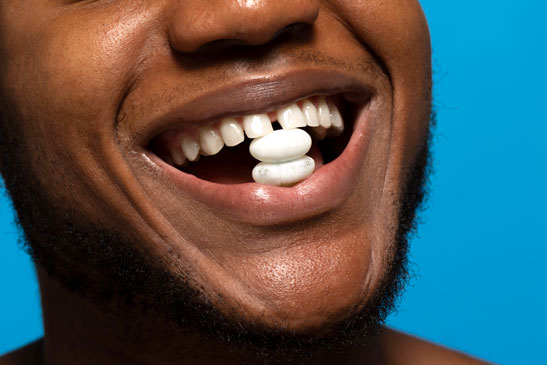
Missing or damaged teeth affect more than just your smile—they impact your ability to eat, speak, and feel confident in social situations. Dental crowns and bridges are time-tested restorative solutions that can repair damaged teeth and replace missing ones, restoring both function and aesthetics. Understanding these treatment options, their benefits, and what to expect during the process can help you make informed decisions about your dental health.
Understanding Dental Crowns
What Is a Dental Crown?
A dental crown is a custom-made cap that covers a damaged or weakened tooth completely, restoring its shape, size, strength, and appearance. Think of it as a protective helmet for your tooth that:
- Encases the entire visible portion of the tooth above the gum line
- Restores function for chewing and speaking
- Protects weakened tooth structure from further damage
- Improves aesthetic appearance
- Can last 10-15 years or longer with proper care
When Are Crowns Necessary?
Protecting Weak or Damaged Teeth:
- Large cavities where fillings won’t provide adequate support
- Teeth weakened by extensive decay
- Cracked or fractured teeth
- Teeth worn down from grinding (bruxism)
- Structurally compromised teeth
After Dental Procedures:
- Following root canal treatment to protect treated tooth
- Covering dental implants
- Anchoring dental bridges
- Completing cosmetic improvements
Cosmetic Improvements:
- Severely discolored teeth resistant to whitening
- Misshapen or irregular teeth
- Gaps or spacing issues
- Improving overall smile aesthetics
Types of Dental Crowns
Porcelain or Ceramic Crowns:
- Best for front teeth due to natural appearance
- Excellent color matching with natural teeth
- Biocompatible and gentle on surrounding tissues
- May be less durable than metal options
- Ideal for patients with metal allergies
Porcelain-Fused-to-Metal (PFM) Crowns:
- Combine strength of metal with aesthetics of porcelain
- Durable for back teeth that withstand heavy chewing
- Good color match, though metal may show at gum line
- Proven track record of longevity
- Balanced option for strength and appearance
Gold or Metal Alloy Crowns:
- Extremely strong and durable
- Withstand biting and chewing forces well
- Require less tooth removal than other types
- Very long-lasting (20+ years possible)
- Most noticeable appearance (typically for back teeth)
Zirconia Crowns:
- Modern material combining strength and aesthetics
- Highly durable and resistant to fracture
- Excellent biocompatibility
- Natural tooth-like translucency
- Increasingly popular choice in modern dentistry
All-Resin Crowns:
- Most affordable crown option
- Good temporary or short-term solution
- More prone to wear and fracture
- May need replacement sooner
- Less common for permanent restorations
The Crown Procedure
First Appointment – Preparation (60-90 minutes):
- Examination and Planning: Dentist examines tooth, takes X-rays, discusses options
- Anesthesia: Local anesthetic numbs the area for comfort
- Tooth Preparation: Reshaping tooth to accommodate crown (removing damaged portions)
- Impressions: Digital scan or traditional impressions of prepared tooth
- Temporary Crown: Protects tooth while permanent crown is fabricated
- Shade Selection: Choosing color to match natural teeth
Between Appointments (1-2 weeks):
- Dental laboratory fabricates custom crown
- Temporary crown protects prepared tooth
- Normal activities with minor dietary restrictions
Second Appointment – Placement (30-60 minutes):
- Temporary Removal: Taking off temporary crown carefully
- Fit Check: Ensuring proper fit, bite, and aesthetics
- Adjustments: Fine-tuning as needed
- Cementation: Permanent bonding of crown to tooth
- Final Check: Verifying comfort and bite alignment
Same-Day Crowns (CEREC Technology):
- Available at some advanced dental clinics in Nairobi
- Computer-aided design and manufacturing
- Custom crown created in single appointment
- Completed in 2-3 hours
- No temporary crown or second visit needed
Understanding Dental Bridges
What Is a Dental Bridge?
A dental bridge is a fixed restoration that replaces one or more missing teeth by “bridging” the gap between existing teeth. The structure consists of:
- Pontics: Artificial teeth that fill the gap
- Abutments: Natural teeth or implants on either side that support the bridge
- Crowns: Caps placed on abutment teeth for support
Bridges restore your smile, maintain face shape, prevent remaining teeth from shifting, restore chewing and speaking ability, and distribute bite forces properly.
Types of Dental Bridges
Traditional Fixed Bridge:
- Most common type of bridge
- Pontic supported by crowns on adjacent teeth
- Requires reshaping neighboring teeth
- Very stable and strong
- Suitable for back and front teeth
Cantilever Bridge:
- Supported by crown on only one adjacent tooth
- Used when teeth present on one side only
- Less common due to increased stress
- Typically used for front teeth
- Not ideal for molars with heavy chewing forces
Maryland (Resin-Bonded) Bridge:
- Metal or porcelain framework bonded to back of adjacent teeth
- Requires minimal tooth preparation
- More conservative approach
- Best for front teeth with less biting force
- May not be as durable as traditional bridges
Implant-Supported Bridge:
- Supported by dental implants rather than natural teeth
- Doesn’t require altering adjacent healthy teeth
- Most stable and long-lasting option
- Requires sufficient bone density
- Higher initial cost but excellent long-term value
When Are Bridges Recommended?
Missing Teeth:
- One or more consecutive missing teeth
- Adequate adjacent teeth for support
- Good overall oral health
- Sufficient bone structure
- Desire for fixed (non-removable) solution
Advantages Over Removable Dentures:
- Permanently fixed in place
- More natural feel and function
- No removal for cleaning
- Better chewing efficiency
- More stable and comfortable
The Bridge Procedure
First Appointment – Preparation (90-120 minutes):
- Comprehensive Examination: Assessment of teeth, gums, and bone
- Treatment Planning: Discussing bridge type and materials
- Tooth Preparation: Reshaping abutment teeth to receive crowns
- Impressions: Creating molds for custom bridge fabrication
- Temporary Bridge: Protecting prepared teeth and maintaining aesthetics
- Color Matching: Selecting shade to blend with natural teeth
Laboratory Fabrication (2-3 weeks):
- Custom bridge created by dental technicians
- Precise fit and natural appearance
- Quality materials for longevity
- Multiple stages of fabrication and quality checks
Second Appointment – Placement (60-90 minutes):
- Temporary Removal: Carefully removing temporary bridge
- Fit Verification: Checking bridge fit, bite, and appearance
- Adjustments: Making necessary modifications
- Cementation: Permanently bonding bridge in place
- Final Evaluation: Ensuring comfort, function, and aesthetics
- Care Instructions: Guidance on maintaining bridge
Crown and Bridge Materials Comparison
Choosing the Right Material
Factors to Consider:
- Location: Front teeth prioritize aesthetics; back teeth need durability
- Budget: Materials vary significantly in cost
- Allergies: Metal sensitivities may limit options
- Opposing Teeth: Material hardness affects wear on other teeth
- Aesthetics: How important is natural appearance?
- Longevity: Expected lifespan of different materials
Material Characteristics
Porcelain/Ceramic:
- Pros: Most natural appearance, excellent aesthetics, biocompatible
- Cons: Can be brittle, may chip or crack, moderate durability
- Best for: Front teeth, visible areas, patients wanting natural look
- Lifespan: 10-15 years average
Porcelain-Fused-to-Metal:
- Pros: Strong, durable, good aesthetics, proven longevity
- Cons: Metal may show at gum line, potential for porcelain chipping
- Best for: Back teeth, patients needing strength with aesthetics
- Lifespan: 10-20 years average
Gold/Metal Alloys:
- Pros: Extremely durable, gentle on opposing teeth, excellent fit
- Cons: Obvious appearance, higher cost, metal color
- Best for: Back molars, patients prioritizing function over aesthetics
- Lifespan: 15-20+ years
Zirconia:
- Pros: Very strong, natural appearance, biocompatible, durable
- Cons: Higher cost, may wear opposing teeth slightly
- Best for: Any location, excellent all-around choice
- Lifespan: 10-15+ years
Caring for Crowns and Bridges
Daily Maintenance
Proper Oral Hygiene:
- Brush twice daily with fluoride toothpaste
- Floss daily, especially around crown margins and under bridges
- Use interdental brushes for hard-to-reach areas
- Consider water flossers for bridge cleaning
- Antibacterial mouthwash to reduce plaque bacteria
Special Cleaning Techniques for Bridges:
- Floss threaders to clean under pontics
- Super floss with stiff ends for easier insertion
- Interdental brushes sized for bridge gaps
- Water flossers effectively clean around bridges
- Regular technique demonstration at dental visits
Foods and Habits to Avoid
Protect Your Investment:
- Avoid chewing ice or hard candies
- Don’t use teeth as tools
- Cut hard foods into smaller pieces
- Minimize sticky, chewy foods (caramels, taffy)
- Wear nightguard if you grind teeth
- Don’t bite fingernails or chew pens
Regular Dental Checkups
Professional Monitoring:
- Biannual cleanings and examinations
- Early detection of problems
- Professional cleaning around crowns and bridges
- X-rays to monitor underlying tooth structure
- Adjustments if needed
- Assessment of restoration condition
Potential Problems and Solutions
Common Issues with Crowns
Sensitivity:
- Normal for first few days after placement
- May indicate bite adjustment needed
- Could signal underlying nerve irritation
- Usually resolves quickly
- Contact dentist if persists beyond two weeks
Loose Crown:
- Cement failure over time
- Usually can be re-cemented
- May need crown replacement if damaged
- Don’t delay seeking treatment
- Risk of damage to underlying tooth
Chipping or Cracking:
- Porcelain can chip from trauma or hard foods
- Small chips may be polished or repaired
- Large damage requires crown replacement
- Prevention through careful use
- Nightguards protect from grinding damage
Discoloration or Dark Lines:
- Metal showing through at gum line (PFM crowns)
- Natural with certain crown types
- Gum recession exposes margins
- May require crown replacement for aesthetics
- All-porcelain crowns eliminate this issue
Common Issues with Bridges
Decay in Abutment Teeth:
- Bacteria accumulate under poor-fitting bridges
- Inadequate cleaning around bridge margins
- Regular checkups detect early
- May require bridge replacement
- Preventable with good hygiene
Bridge Loosening:
- Cement breakdown over time
- Damage to supporting teeth
- Usually noticeable sensation
- Requires professional evaluation
- May need re-cementation or replacement
Bite Changes:
- Natural tooth wear affects bridge fit
- Grinding can alter bite alignment
- Opposite teeth may over-erupt
- Requires professional adjustment
- Regular monitoring prevents problems
Cost Considerations
Investment in Your Smile
Crown Costs:
- Vary by material type selected
- Porcelain typically more expensive than metal
- Advanced materials (zirconia) cost more
- Location affects pricing (front vs. back teeth)
- Many Nairobi dental clinics offer payment plans
Bridge Costs:
- Depend on number of teeth being replaced
- Material selection impacts price
- Implant-supported bridges more expensive initially
- Traditional bridges generally more affordable
- Long-term value considers durability and maintenance
Factors Affecting Cost:
- Material quality and type
- Complexity of case
- Need for additional procedures (root canal, gum treatment)
- Geographic location and clinic reputation
- Technology used (traditional vs. CEREC)
- Laboratory fees for custom fabrication
Insurance and Financing
Insurance Coverage:
- Many plans cover portion of crown and bridge costs
- Coverage percentages vary by plan
- Pre-authorization may be required
- Annual maximums may apply
- Understand your benefits before treatment
Payment Options:
- Payment plans offered by most dental practices
- Medical credit cards for dental expenses
- Personal loans for extensive work
- Some clinics offer in-house financing
- Discuss options during consultation
Alternatives to Crowns and Bridges
Other Restorative Options
Instead of Crowns:
- Inlays/Onlays: Partial coverage for less extensive damage
- Veneers: For primarily cosmetic concerns
- Large Fillings: For smaller areas of decay
- Root Canal Without Crown: Sometimes possible for back teeth
Instead of Bridges:
- Dental Implants: Individual tooth replacement, most natural option
- Removable Partial Dentures: Lower cost, removable option
- Implant-Supported Bridge: More stable than traditional bridge
- Orthodontics: Close small gaps in some cases
Making the Right Choice
Consultation Considerations:
- Overall oral health status
- Budget and financial considerations
- Long-term goals for dental health
- Aesthetic priorities
- Maintenance preferences
- Timeline for treatment
Long-Term Success
Maximizing Lifespan
Factors for Longevity:
- Quality of materials and fabrication
- Skill of dentist performing procedure
- Patient’s oral hygiene practices
- Regular professional maintenance
- Avoiding damaging habits
- Managing teeth grinding
Expected Durability:
- Well-maintained crowns: 10-15 years average
- High-quality bridges: 10-20 years typical
- Some restorations last 20+ years
- Regular checkups extend lifespan
- Prompt attention to problems prevents failure
When Replacement Is Needed
Signs of Failing Restoration:
- Persistent sensitivity or pain
- Visible damage or wear
- Looseness or movement
- Decay around margins
- Aesthetic concerns (discoloration, damage)
- Bite discomfort
Replacement Process:
- Similar to initial placement
- May be simpler if tooth in good condition
- Updated materials and techniques available
- Opportunity to improve on original restoration
- Many dentists in Nairobi offer modern alternatives
Conclusion
Dental crowns and bridges are proven, effective solutions for restoring damaged or missing teeth. These restorations can dramatically improve your oral health, function, and confidence when properly designed, placed, and maintained. Understanding your options, committing to good oral care, and working with qualified dental professionals ensures the best possible outcomes.
Whether you need to protect a weakened tooth with a crown or replace missing teeth with a bridge, modern dentistry offers excellent solutions tailored to your specific needs. The investment in quality restorative dentistry pays dividends in improved oral health, enhanced appearance, and better quality of life.
If you’re experiencing tooth damage or missing teeth, don’t delay seeking professional evaluation. Consult with an experienced dentist to discuss your options and develop a treatment plan. Quality dental clinics throughout Nairobi offer comprehensive crown and bridge services using modern materials and techniques.
Take the first step toward restoring your smile today. Schedule a consultation to explore how dental crowns or bridges can transform your oral health and give you the confident smile you deserve.
Etiam malesuada fermentum quam
Etiam varius sem sit amet enim lacinia venenatis. Mauris dolor nunc, semper sit amet nisl nec, venenatis scelerisque metus. Praesent auctor nulla felis, a varius quam finibus quis. Nullam volutpat non magna et venenatis. Vestibulum porta odio ipsum, id pulvinar nulla pulvinar at. Maecenas placerat lacus lectus, ut viverra ipsum ultrices in.
Categories

Call Us Today
+254 700 219 219