James Kimu
August 29, 2025
Children’s Dental Health: A Parent’s Guide to Healthy Smiles
As a parent in Nairobi, ensuring your child’s dental health sets the foundation for a lifetime of healthy smiles. Children’s dental care involves unique considerations, from the first tooth eruption to establishing lifelong oral hygiene habits. Understanding your child’s dental needs and knowing when to seek professional care can prevent future dental problems and create positive associations with dental health.
When Should Your Child First Visit the Dentist?
The “First Tooth or First Birthday” Rule
Dental professionals recommend that children have their first dental visit by:
- The eruption of their first tooth, OR
- Their first birthday (whichever comes first)
This early introduction to dental care in Nairobi helps:
- Establish a dental home for your child
- Detect potential problems early
- Educate parents about proper oral care
- Create positive associations with dental visits
What to Expect During the First Visit
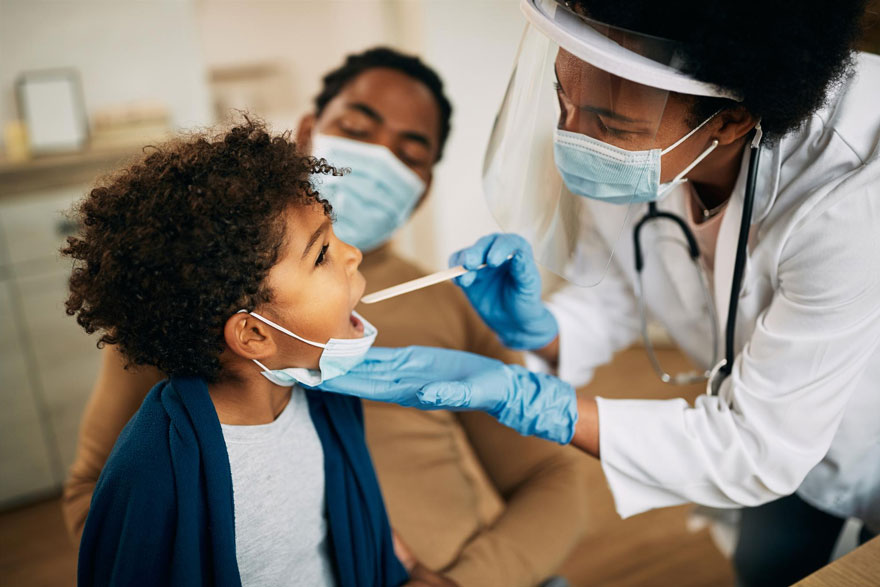
Your child’s first dental appointment at a Nairobi pediatric dental clinic typically includes:
- A gentle examination of teeth, gums, and jaw
- Assessment of oral development
- Discussion of feeding habits and oral hygiene
- Demonstration of proper cleaning techniques
- Fluoride application if appropriate
- Scheduling future visits
Understanding Your Child’s Teeth Development
Baby Teeth Timeline
Understanding when teeth typically appear helps parents monitor normal development:
6-12 months: Lower central incisors (bottom front teeth) 8-13 months: Upper central incisors (top front teeth) 9-16 months: Upper and lower lateral incisors 16-23 months: First molars (back teeth for chewing) 13-19 months: Canine teeth (pointed teeth) 23-33 months: Second molars
Total: 20 primary (baby) teeth by age 2-3
Permanent Teeth Transition
- Ages 6-7: First permanent molars and bottom front teeth
- Ages 7-8: Top front teeth
- Ages 9-11: Premolars and canines
- Ages 11-13: Second molars
- Ages 17-21: Wisdom teeth (if they develop)
Proper Brushing Techniques for Different Ages
Infants (0-2 years)
Before teeth appear:
- Wipe gums with a clean, damp cloth after feeding
- Use a soft infant toothbrush when first teeth appear
- Use a tiny smear of fluoride toothpaste (size of a grain of rice)
Brushing technique:
- Parents should do all brushing
- Brush gently in circular motions
- Clean all surfaces of teeth
- Make brushing a gentle, positive experience
Toddlers (2-5 years)
Fluoride toothpaste amount: Pea-sized amount Supervision: Complete parental supervision required Technique:
- Let children try to brush, then parents finish
- Use a soft-bristled child-sized toothbrush
- Teach spitting out toothpaste (no swallowing)
- Brush for at least 2 minutes
School-age children (6-8 years)
Transition period: Supervised independence Key points:
- Parents should still assist and check brushing quality
- Introduce flossing when teeth touch
- Encourage independence while maintaining oversight
- Consider electric toothbrushes for better cleaning
Older children (9+ years)
Independent brushing: With periodic parental checks Advanced techniques:
- Proper flossing technique
- Understanding the importance of thorough cleaning
- Taking responsibility for their oral health
- Regular self-monitoring for problems
Managing Teething Discomfort
Teething can be challenging for both children and parents. Here are safe, effective strategies:
Natural Remedies
- Cold items: Chilled teething rings or washcloths
- Gentle massage: Clean finger massage on sore gums
- Cold foods: For older babies, cold fruits or vegetables
- Distraction: Extra attention and soothing activities
What to Avoid
- Teething gels with benzocaine (not recommended for children under 2)
- Frozen items that could damage gums
- Hard objects that could break teeth
- Over-the-counter pain medications without pediatrician consultation
When to Contact Your Nairobi Dentist
- Excessive drooling lasting beyond typical teething periods
- Signs of infection (fever, swelling, pus)
- Teeth not erupting by expected timeframes
- Unusual pain or discomfort that seems excessive
Common Childhood Dental Concerns
Thumb Sucking and Pacifier Use
When it’s normal:
- Common and natural in babies and toddlers
- Usually self-limiting behavior
- Generally harmless before age 4
When to address it:
- Continues beyond age 4-5
- Affects permanent tooth eruption
- Causes changes in roof of mouth shape
- Creates speech difficulties
Strategies to help:
- Positive reinforcement for not sucking
- Address underlying anxiety or comfort needs
- Gradual reduction rather than immediate stopping
- Consult your Nairobi pediatric dentist for persistent habits
Early Childhood Caries (Baby Bottle Tooth Decay)
Causes:
- Prolonged exposure to sugary liquids
- Putting babies to sleep with bottles containing milk, juice, or formula
- Frequent sipping of sugary drinks
Prevention:
- Never put babies to bed with bottles containing anything other than water
- Limit sugary drinks throughout the day
- Clean teeth after feeding
- Encourage cup drinking by age 1
Dental Injuries in Children
Children are naturally active, making dental injuries common:
Immediate steps for dental trauma:
- Stay calm and comfort the child
- Control bleeding with clean gauze
- Save any knocked-out permanent teeth in milk
- Contact your Nairobi emergency dentist immediately
- Apply cold compress for swelling
Prevention strategies:
- Use mouthguards during sports
- Childproof homes to prevent falls
- Teach children about dental safety
- Regular dental checkups to identify vulnerable teeth
Establishing Good Oral Hygiene Habits
Making Brushing Fun
- Choose appealing supplies: Let children pick colorful toothbrushes and kid-friendly toothpaste flavors
- Create routines: Brush to favorite songs or use timers
- Positive reinforcement: Praise good brushing habits
- Lead by example: Brush together as a family activity
Teaching the Importance of Oral Health
Help children understand why oral care matters:
- Explain how bacteria can hurt teeth
- Show pictures of healthy vs. unhealthy teeth
- Discuss how good oral health affects overall health
- Connect oral health to feeling confident and comfortable
Building Positive Dental Experiences
- Choose child-friendly dental practices: Many Nairobi dental clinics specialize in pediatric care
- Prepare for visits: Read books about dental visits, role-play dental exams
- Stay positive: Your attitude about dental care influences your child’s feelings
- Celebrate good behavior: Acknowledge brave behavior during dental visits
Nutrition for Healthy Teeth and Gums
Tooth-Friendly Foods for Children
Calcium-rich options:
- Milk, cheese, and yogurt
- Leafy green vegetables
- Fortified plant-based milks
- Fish with soft bones (like sardines)
Crunchy fruits and vegetables:
- Apples, carrots, and celery help clean teeth
- Provide vitamins and minerals for oral health
- Stimulate saliva production
Water:
- Best drink choice for teeth
- Helps rinse away food particles
- Fluoridated water provides additional protection
Foods and Drinks to Limit
- Sugary snacks: Candy, cookies, and sweet treats
- Sticky foods: Dried fruits, gummy candies that cling to teeth
- Acidic drinks: Sodas, sports drinks, and fruit juices
- Frequent snacking: Constant eating gives bacteria more fuel
Healthy Snacking Strategies
- Offer treats with meals rather than between meals
- Choose water over sugary drinks
- Rinse mouth with water after sugary snacks
- Plan structured meal and snack times
Special Considerations for Nairobi Families
Finding Pediatric Dental Care in Nairobi
When choosing a dental clinic for your child:
- Look for pediatric dental specialists
- Consider location and accessibility
- Ask about child-friendly amenities
- Inquire about emergency dental services
- Check credentials and reviews from other parents
Water Fluoridation and Supplements
- Determine if your area has fluoridated water
- Discuss fluoride supplements with your dentist if needed
- Understand appropriate fluoride levels for children
- Balance fluoride intake to prevent both deficiency and excess
Cultural Considerations
- Integrate traditional healthy foods that benefit oral health
- Address cultural practices that may affect dental health
- Communicate with dentists about family preferences and concerns
- Find dental professionals who understand cultural sensitivities
Creating a Dental Health Plan for Your Family
Daily Routines
Establish consistent daily oral care routines:
- Morning brushing before or after breakfast
- Evening brushing before bedtime
- Flossing when teeth touch (usually around age 4-6)
- Healthy meal and snack planning
Regular Professional Care
- Schedule dental visits every 6 months
- Keep a dental health record for each child
- Address concerns promptly rather than waiting
- Consider preventive treatments like sealants
Emergency Preparedness
- Know how to contact your dental clinic after hours
- Keep emergency dental kit with gauze and contact information
- Understand when dental problems require immediate attention
- Have a plan for dental trauma situations
The Long-term Benefits of Good Childhood Oral Care
Investing in your child’s dental health provides lifelong benefits:
- Prevents future dental problems: Early care prevents costly treatments later
- Establishes healthy habits: Children who learn good oral care continue these habits as adults
- Supports overall health: Good oral health contributes to general wellness
- Builds confidence: Healthy smiles boost self-esteem and social confidence
- Educational success: Dental problems can affect school performance and attendance
Red Flags: When to Contact Your Nairobi Dentist Immediately
Seek professional dental care if your child experiences:
- Severe tooth pain that interferes with eating or sleeping
- Swelling in the face, gums, or jaw
- Knocked-out or severely damaged teeth
- Persistent bad breath despite good oral hygiene
- White spots on teeth (early signs of decay)
- Bleeding gums during normal brushing
- Delayed tooth eruption or development concerns
Conclusion
Your child’s dental health journey begins with you as their guide and advocate. By understanding normal dental development, establishing good oral hygiene habits early, and partnering with qualified dental professionals in Nairobi, you’re setting your child up for a lifetime of healthy smiles.
Remember that each child develops at their own pace, and what matters most is consistent care, positive experiences, and professional guidance when needed. The investment you make in your child’s oral health today will benefit them throughout their entire life.
Take the first step today by scheduling your child’s dental visit if they haven’t been to a dentist recently, or by implementing one new healthy habit in your family’s daily routine. Your child’s future smile depends on the foundation you build together now.