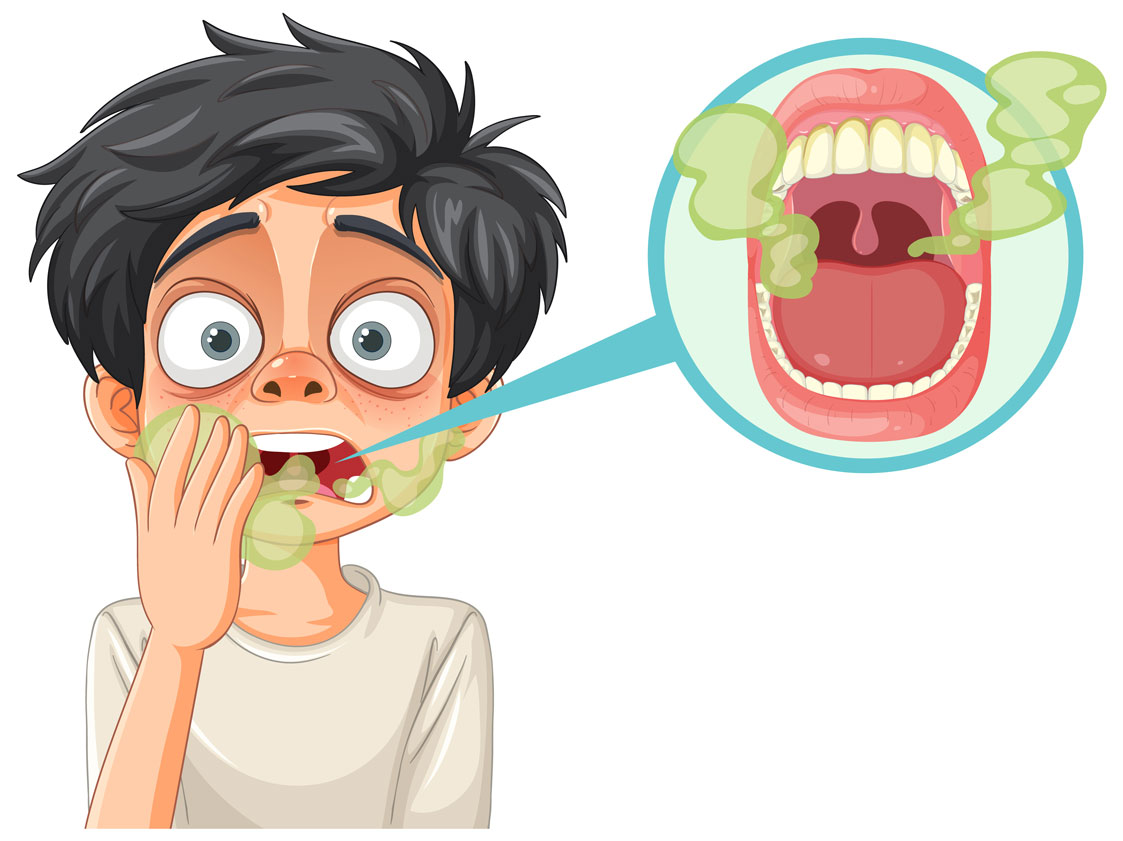
Bad breath, medically known as halitosis, affects nearly everyone at some point and can significantly impact confidence, relationships, and social interactions. While occasional morning breath is normal, persistent bad breath may indicate underlying dental or medical issues requiring attention. Understanding the causes of bad breath, recognizing when it’s a problem, and knowing effective treatments can help you achieve fresh breath and renewed confidence.
Understanding Bad Breath
What Causes Bad Breath?
Primary Oral Causes:
- Bacteria on tongue, teeth, and gums
- Food particles trapped between teeth
- Poor oral hygiene habits
- Gum disease (gingivitis, periodontitis)
- Dry mouth (xerostomia)
- Tooth decay and cavities
- Oral infections
- Poorly fitting dental work
- Tongue coating
Dietary Factors:
- Onions, garlic, and spicy foods
- Coffee and alcohol
- High-protein or low-carb diets
- Fasting or skipping meals
- Strong-smelling foods
Medical Conditions:
- Sinus infections and postnasal drip
- Respiratory tract infections
- Tonsil stones (tonsilloliths)
- Acid reflux (GERD)
- Diabetes
- Liver or kidney disease
- Certain cancers
- Metabolic disorders
Lifestyle Factors:
- Smoking and tobacco use
- Medications causing dry mouth
- Mouth breathing
- Stress and anxiety
- Poor sleep quality
- Dehydration
Types of Bad Breath
Temporary Bad Breath:
- Morning breath (normal)
- After eating certain foods
- Following extended periods without eating
- During illness
- Easily remedied with oral hygiene
Chronic Halitosis:
- Persistent despite good hygiene
- Indicates underlying problem
- Requires professional diagnosis
- May need medical treatment
- Affects quality of life significantly
Imagined Bad Breath (Halitophobia):
- Psychological condition
- Person believes they have bad breath when they don’t
- Anxiety-related disorder
- Requires psychological support
- Can be just as distressing
Recognizing Bad Breath
Self-Assessment Methods
Testing Your Own Breath:
- Lick wrist, let dry, smell it
- Floss between back teeth, smell floss
- Scrape tongue gently, smell scraper
- Cup hands over mouth and nose, exhale and smell
- Ask trusted friend or family member
- Notice if people step back during conversation
Professional Diagnosis:
- Halimeter measures sulfur compounds
- Gas chromatography (advanced testing)
- Organoleptic testing (dentist smells breath)
- BANA test for bacterial levels
- Comprehensive oral examination
- Available at dental clinics in Nairobi
Common Misconceptions
Myths About Bad Breath:
- You can always smell your own bad breath (FALSE – we adapt to our own odors)
- Mouthwash solves all bad breath problems (FALSE – only masks temporarily)
- Bad breath always comes from stomach (FALSE – 90% is oral)
- Gum and mints cure bad breath (FALSE – temporary cover-up only)
- Only older people get bad breath (FALSE – affects all ages)
Oral Causes and Solutions
Poor Oral Hygiene
The Problem:
- Bacteria multiply on teeth, gums, and tongue
- Food particles decompose in mouth
- Plaque and tartar buildup
- Creates sulfur compounds causing odor
The Solution:
- Brush teeth twice daily for two minutes
- Floss daily between all teeth
- Clean tongue thoroughly
- Use antibacterial mouthwash
- Regular dental checkups and cleanings
- Replace toothbrush every 3-4 months
Gum Disease
How It Causes Bad Breath:
- Bacterial infection in gum pockets
- Tissue breakdown creates odor
- Inflammation increases bacteria
- Deeper pockets trap more debris
- Progressive condition if untreated
Treatment Approaches:
- Professional deep cleaning (scaling and root planing)
- Improved home oral hygiene
- Antibacterial rinses
- Possible antibiotic therapy
- Regular monitoring and maintenance
- Advanced treatments if needed
Dry Mouth (Xerostomia)
Why It Causes Bad Breath:
- Saliva naturally cleanses mouth
- Reduced saliva allows bacteria growth
- Food particles not washed away
- Protective enzymes diminished
- Creates perfect environment for odor
Addressing Dry Mouth:
- Stay well hydrated throughout day
- Chew sugar-free gum to stimulate saliva
- Use artificial saliva products
- Avoid alcohol-based mouthwashes
- Reduce caffeine and alcohol
- Review medications with doctor
- Use humidifier at night
Tongue Coating
Understanding the Issue:
- Bacteria and debris accumulate on tongue
- Especially in grooves and back of tongue
- White or yellow coating visible
- Major source of bad breath
- Often overlooked in oral care
Proper Tongue Cleaning:
- Use tongue scraper or brush
- Gently scrape from back to front
- Rinse scraper between strokes
- Clean daily, ideally morning
- Reach as far back as comfortable
- Be gentle to avoid gagging
Dental Problems
How They Contribute:
- Cavities harbor bacteria and food
- Broken teeth trap debris
- Ill-fitting dentures collect particles
- Old dental work deteriorates
- Infections create foul odor
Solutions:
- Treat cavities promptly
- Repair broken or damaged teeth
- Replace failing dental work
- Properly fit dentures and bridges
- Address infections immediately
- Regular dental examinations
Medical Causes and Treatments
Sinus and Respiratory Issues
Connection to Bad Breath:
- Postnasal drip coats throat
- Sinus infections create drainage
- Bacteria in sinuses produce odor
- Mouth breathing dries oral tissues
- Chronic congestion affects breath
Management:
- Treat underlying sinus infection
- Use saline nasal rinses
- Stay hydrated
- Address allergies
- Consult ENT specialist if chronic
- Available specialists in Nairobi
Acid Reflux (GERD)
How It Affects Breath:
- Stomach acid backs up into throat
- Creates sour or bitter taste
- Damages throat tissues
- Regurgitated food particles
- Chronic inflammation
Treatment Options:
- Dietary modifications
- Avoid trigger foods
- Eat smaller meals
- Don’t lie down after eating
- Elevate head during sleep
- Medications as prescribed
- Consult gastroenterologist
Tonsil Stones
What They Are:
- Calcified debris in tonsil crevices
- Contain bacteria, food, dead cells
- Produce very foul odor
- May cause discomfort
- Visible as white/yellow spots
Dealing with Tonsil Stones:
- Gargle with salt water
- Use water flosser on low setting
- Manual removal (carefully)
- Maintain excellent oral hygiene
- May need ENT evaluation
- Tonsillectomy for chronic cases
Diabetes
The Connection:
- High blood sugar promotes bacterial growth
- Fruity breath odor in ketoacidosis
- Increased infection risk
- Delayed healing
- Dry mouth from medications
Management:
- Control blood sugar levels
- Regular dental care
- Excellent oral hygiene
- Monitor for infections
- Coordinate care with medical team
Lifestyle Solutions
Diet and Bad Breath
Foods That Help:
- Crunchy fruits and vegetables (apples, carrots)
- Plain yogurt with probiotics
- Fresh herbs (parsley, mint, basil)
- Green tea (antibacterial properties)
- Citrus fruits (stimulate saliva)
- Water throughout the day
Foods to Limit:
- Onions and garlic
- Spicy foods
- High-sugar foods
- Acidic foods and drinks
- Strong-smelling fish
- Coffee and alcohol in excess
Eating Habits:
- Don’t skip meals (causes bad breath)
- Stay hydrated with meals
- Chew food thoroughly
- Rinse mouth after eating
- Avoid late-night heavy meals
- Balanced diet supports oral health
Hydration
Importance of Water:
- Washes away food particles
- Stimulates saliva production
- Dilutes odor-causing compounds
- Supports overall health
- Prevents dry mouth
Hydration Tips:
- Drink 8 glasses daily minimum
- Carry water bottle
- Sip throughout day
- Increase in hot weather
- More if exercising
- Limit dehydrating beverages
Smoking Cessation
How Smoking Causes Bad Breath:
- Tobacco itself smells bad
- Dries out mouth
- Increases gum disease risk
- Masks other breath odors
- Creates oral health problems
Benefits of Quitting:
- Immediate improvement in breath
- Better oral health
- Enhanced taste and smell
- Reduced dental problems
- Lower cancer risk
- Support available in Nairobi
Effective Bad Breath Products
Mouthwashes
Types and Effectiveness:
- Antibacterial: Kills odor-causing bacteria (most effective)
- Cosmetic: Masks odor temporarily
- Fluoride: Strengthens teeth, minor breath benefit
- Natural: Plant-based ingredients
- Prescription: For severe cases
Using Mouthwash Correctly:
- Use after brushing and flossing
- Swish for 30-60 seconds
- Don’t dilute unless directed
- Don’t rinse with water after
- Twice daily for best results
- Choose alcohol-free for dry mouth
Breath Fresheners
Options Available:
- Sugar-free gum and mints
- Breath strips
- Oral sprays
- Lozenges
- Natural breath fresheners
Effectiveness:
- Temporary masking only
- Sugar-free gum stimulates saliva
- Don’t replace oral hygiene
- Convenient for social situations
- Choose wisely (some worsen problems)
Specialized Products
Advanced Solutions:
- Chlorine dioxide rinses
- Zinc-based products
- Probiotic supplements
- Tongue cleaning tools
- Saliva substitutes
- Professional-strength products
Professional Treatments
Dental Treatments
What Dentists Can Do:
- Professional cleaning removes tartar
- Deep cleaning for gum disease
- Treat cavities and infections
- Replace failing dental work
- Custom treatment plans
- Ongoing monitoring
Advanced Procedures:
- Laser therapy for gum disease
- Periodontal surgery if needed
- Specialized cleaning techniques
- Antimicrobial treatments
- Available at clinics throughout Nairobi
Medical Interventions
When Medical Help Needed:
- Persistent bad breath despite good oral care
- Accompanied by other symptoms
- Suspected systemic disease
- Medication adjustments needed
- Chronic conditions affecting breath
Specialists to Consult:
- Gastroenterologist for digestive issues
- ENT specialist for sinus/throat problems
- Endocrinologist for diabetes management
- Primary care physician for general health
- Dentist coordinates care
Prevention Strategies
Daily Oral Care Routine
Morning:
- Scrape or brush tongue
- Brush teeth for two minutes
- Floss between all teeth
- Rinse with mouthwash
- Drink water
After Meals:
- Rinse mouth with water
- Chew sugar-free gum if available
- Brush if possible (wait 30 min after acidic foods)
- Drink water
Evening:
- Brush teeth thoroughly
- Floss carefully
- Clean tongue
- Use mouthwash
- Leave mouth clean overnight
Regular Professional Care
Dental Visit Schedule:
- Every 6 months for most people
- Every 3-4 months if gum disease
- Promptly for any concerns
- Professional cleanings essential
- Monitoring oral health changes
What to Discuss:
- Concerns about bad breath
- Changes in oral health
- Dry mouth issues
- Dietary habits
- Medications affecting mouth
- Overall health conditions
Psychological Impact
Social and Emotional Effects
How Bad Breath Affects Life:
- Reduced confidence in social situations
- Anxiety about close interactions
- Avoidance of professional opportunities
- Relationship difficulties
- Social isolation
- Depression in severe cases
Building Confidence:
- Address underlying causes
- Maintain excellent oral hygiene
- Seek professional help
- Use breath fresheners strategically
- Focus on improvement, not perfection
- Remember most bad breath is treatable
When It’s Psychological
Halitophobia (Imagined Bad Breath):
- Conviction of having bad breath without evidence
- Obsessive concern about breath
- Excessive use of breath products
- Avoidance behaviors
- Professional assessment shows no problem
- Requires counseling or therapy
Getting Help:
- Cognitive behavioral therapy
- Anxiety management
- Support groups
- Professional psychological care
- Dental confirmation of actual breath status
Special Populations
Children and Bad Breath
Common Causes in Kids:
- Poor oral hygiene habits
- Mouth breathing
- Foreign objects in nose
- Tonsil stones
- Sinus infections
- Cavities
Solutions:
- Teach proper brushing and flossing
- Supervise oral care until age 8
- Address mouth breathing
- Regular pediatric dental visits
- Treat infections promptly
- Encourage water drinking
Elderly and Bad Breath
Age-Related Factors:
- Medications causing dry mouth
- Reduced saliva production
- Gum disease more common
- Denture-related issues
- Chronic health conditions
- Decreased taste/smell sensitivity
Management Strategies:
- Excellent denture hygiene
- Regular dental care
- Medication review with doctor
- Artificial saliva if needed
- More frequent dental visits
- Caregiver assistance if needed
During Pregnancy
Pregnancy-Related Causes:
- Hormonal changes affecting gums
- Morning sickness
- Dietary changes
- Increased snacking
- Pregnancy gingivitis
Safe Solutions:
- Maintain excellent oral hygiene
- Frequent small meals
- Rinse after morning sickness
- Regular prenatal dental care
- Safe products during pregnancy
- Available at Nairobi dental clinics
Common Questions
FAQs About Bad Breath
Q: Can I smell my own bad breath? A: Usually not – we adapt to our own odors. Others notice before we do.
Q: Is bad breath always from the mouth? A: About 90% is oral; 10% from medical conditions.
Q: Does everyone have bad breath in the morning? A: Yes, it’s normal due to reduced saliva during sleep.
Q: Can bad breath be cured? A: Most cases are treatable by addressing the underlying cause.
Q: Do breath mints work? A: They temporarily mask odor but don’t address the cause.
Q: How quickly can bad breath improve? A: Often within days with proper oral hygiene; longer if medical cause.
Conclusion
Bad breath is a common problem with many causes, but it’s almost always treatable. Understanding what’s causing your bad breath is the first step toward fresher breath and renewed confidence. Whether it’s improving oral hygiene, treating dental problems, or addressing medical conditions, effective solutions exist.
Don’t let bad breath control your life or limit your interactions. Start with excellent oral hygiene, stay hydrated, and maintain regular dental care. If bad breath persists despite your best efforts, consult a dental professional for proper diagnosis and treatment.
Quality dental care is available throughout Nairobi, with experienced dentists who can identify the cause of bad breath and develop effective treatment plans. Many cases are easily resolved with professional guidance and consistent care.
Take action today toward fresher breath and greater confidence. Schedule a dental consultation to discuss your concerns and discover the most effective solutions for your situation. Fresh breath and confident social interactions are within reach—you just need to take the first step.
Etiam malesuada fermentum quam
Etiam varius sem sit amet enim lacinia venenatis. Mauris dolor nunc, semper sit amet nisl nec, venenatis scelerisque metus. Praesent auctor nulla felis, a varius quam finibus quis. Nullam volutpat non magna et venenatis. Vestibulum porta odio ipsum, id pulvinar nulla pulvinar at. Maecenas placerat lacus lectus, ut viverra ipsum ultrices in.
Categories



Call Us Today
+254 700 219 219