Losing a tooth—whether from injury, decay, or disease—affects more than just your smile. It impacts your ability to eat, speak, and feel confident in social situations. Dental implants offer the most advanced, natural-looking, and long-lasting solution for missing teeth. Unlike dentures or bridges, implants function like natural teeth, preserve jawbone, and can last a lifetime with proper care. Understanding dental implants, the procedure, benefits, and what to expect can help you make informed decisions about restoring your smile.
What Are Dental Implants?
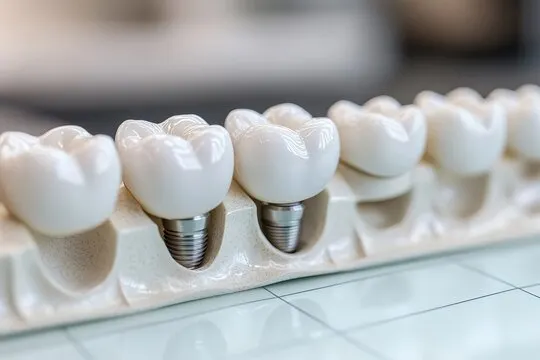
Understanding Implant Structure
Three-Part System:
1. Implant Post (Fixture):
- Titanium screw placed in jawbone
- Acts as artificial tooth root
- Integrates with bone (osseointegration)
- Provides stable foundation
- Typically 3-6mm diameter, 6-14mm length
- Made from biocompatible titanium or zirconia
2. Abutment:
- Connector piece attached to implant
- Holds replacement tooth
- Custom or pre-fabricated
- May be titanium, zirconia, or gold
- Placed after implant heals
3. Crown (Prosthesis):
- Visible artificial tooth
- Custom-made to match natural teeth
- Porcelain, ceramic, or zirconia
- Permanently attached or screw-retained
- Natural appearance and function
How Implants Work
Osseointegration Process:
- Bone grows around implant surface
- Creates permanent bond
- Takes 3-6 months typically
- Provides incredible stability
- Foundation for long-term success
- Discovered by Swedish researcher Per-Ingvar Brånemark
Why Titanium:
- Biocompatible (body accepts it)
- Strong and lightweight
- Corrosion-resistant
- Proven track record (60+ years)
- Allows bone integration
- Safe for most patients
Benefits of Dental Implants
Functional Advantages
Natural Function:
- Chew with full force
- No dietary restrictions
- Speak clearly without slipping
- Feel like natural teeth
- No adhesives needed
- Permanent stability
Preservation of Bone:
- Stimulates jawbone like natural roots
- Prevents bone loss and deterioration
- Maintains facial structure
- Stops adjacent teeth from shifting
- Only option that preserves bone
- Critical long-term benefit
Protection of Adjacent Teeth:
- No need to alter healthy teeth
- Unlike bridges requiring tooth reduction
- Maintains integrity of natural teeth
- Prevents further tooth loss
- Independent support system
Aesthetic Benefits
Natural Appearance:
- Indistinguishable from natural teeth
- Custom shade and shape matching
- Emerge from gums naturally
- No visible metal or clasps
- Confident smile restoration
- Professional-quality results
Facial Structure:
- Prevents sunken appearance
- Maintains youthful contours
- Supports lips and cheeks
- Preserves natural facial proportions
- Anti-aging effect
- Confidence-boosting results
Long-Term Advantages
Durability:
- Can last 25 years to lifetime
- Success rate over 95%
- Minimal maintenance needed
- Cost-effective long-term
- One-time investment
- Most durable option available
Quality of Life:
- Eat favorite foods confidently
- Speak without worry
- Smile without embarrassment
- No removal for cleaning
- Forget you have replacements
- Normal daily life restored
Ideal Candidates for Dental Implants
Who Benefits Most
Good Candidates:
- Missing one or more teeth
- Adequate jawbone density
- Healthy gums
- Good overall health
- Non-smokers or willing to quit
- Committed to oral hygiene
- Realistic expectations
- Finished jaw growth (adults/older teens)
Medical Considerations
Health Factors:
- Uncontrolled Diabetes: May affect healing
- Cancer Treatment: Timing important
- Immune Disorders: Require assessment
- Bone Diseases: May impact integration
- Blood Clotting Disorders: Need management
- Heavy Smoking: Reduces success rates
Medications to Discuss:
- Bisphosphonates (osteoporosis drugs)
- Blood thinners
- Immunosuppressants
- Steroids
- Chemotherapy agents
- Inform dentist of all medications
When Additional Procedures Needed
Bone Grafting:
- Insufficient bone volume
- Rebuilds adequate foundation
- Adds 3-6 months to timeline
- High success rates
- Multiple grafting techniques
- Common preparatory procedure
Sinus Lift:
- Upper back teeth area
- Raises sinus floor
- Creates space for implant
- Special procedure for molars
- Experienced surgeons in Nairobi perform
Gum Treatment:
- Active gum disease must be treated first
- Healthy foundation essential
- May require deep cleaning or surgery
- Healing before implant placement
- Prevents implant failure
The Dental Implant Procedure
Initial Consultation and Planning
Comprehensive Evaluation:
- Medical and dental history review
- Clinical oral examination
- X-rays and 3D imaging (CBCT scan)
- Bite analysis
- Treatment planning
- Cost estimation
- Timeline discussion
Digital Planning:
- Computer-guided implant placement
- Precise positioning planned
- Identifies anatomical structures
- Reduces surgical time
- Improves outcomes
- Modern technology available in Nairobi
Step-by-Step Process
Phase 1: Implant Placement Surgery
Preparation:
- Local anesthesia or sedation
- Surgical site sterilization
- May need tooth extraction if present
- Gum tissue accessed
Implant Insertion:
- Precise hole drilled in jawbone
- Implant carefully placed
- Positioned at correct angle and depth
- Gum tissue sutured closed
- Healing cap may be placed
- Takes 1-2 hours per implant
Recovery:
- Some swelling and discomfort normal
- Pain medication prescribed
- Soft diet for few days
- Special care instructions
- Follow-up appointment scheduled
Phase 2: Osseointegration (Healing Period)
- 3-6 months typically
- Bone grows around implant
- Critical for long-term success
- Regular monitoring
- Temporary tooth option available
- Patience essential
Phase 3: Abutment Placement
- Minor procedure
- Gum tissue opened briefly
- Abutment attached to implant
- Gum shaped around abutment
- Heals in 1-2 weeks
- Impressions for final crown
Phase 4: Crown Placement
- Custom crown fabricated
- Matched to natural teeth
- Attached to abutment
- Bite adjusted
- Final polishing
- Complete restoration
Same-Day Implants (Immediate Loading)
When Possible:
- Adequate bone quality and quantity
- Stable primary implant fixation
- Single tooth replacement typically
- Front teeth more common
- Not suitable for all cases
- Requires specific conditions
Process:
- Implant and temporary crown same visit
- Permanent crown after healing
- Convenience advantage
- Higher technical demands
- Select cases only
- Discuss with implant specialist
Types of Implant Restorations
Single Tooth Replacement
Individual Implants:
- One implant per missing tooth
- Independent of other teeth
- Most natural solution
- Optimal function and aesthetics
- Preserves adjacent teeth
- Most common implant use
Multiple Teeth
Implant-Supported Bridge:
- Two or more implants
- Bridge spans multiple teeth
- More economical than individual implants
- Strong and stable
- No removable parts
- Excellent for consecutive missing teeth
Full Arch Replacement
All-on-4/All-on-6:
- Four to six implants per arch
- Support full set of teeth
- Fixed, non-removable
- Immediate function possible
- Life-changing results
- Growing popularity in Nairobi
Implant-Supported Dentures:
- Overdentures attach to 2-4 implants
- Removable by patient
- More stable than traditional dentures
- Better chewing efficiency
- More affordable than fixed options
- Prevents bone loss better
Recovery and Aftercare
Immediate Post-Operative Care
First 24-48 Hours:
- Ice packs reduce swelling
- Take prescribed medications
- Rest and avoid strenuous activity
- Soft, cool foods only
- No smoking or alcohol
- Sleep with head elevated
Pain Management:
- Discomfort peaks day 2-3
- Prescribed or OTC pain relievers
- Most pain resolves within week
- Contact dentist if severe
- Normal part of healing
Diet Restrictions:
- Soft foods for 1-2 weeks
- Avoid chewing on surgical site
- No hot foods initially
- Stay hydrated
- Gradually return to normal diet
- Nutritious choices support healing
Long-Term Care
Oral Hygiene:
- Brush and floss daily
- Use soft-bristled brush
- Non-abrasive toothpaste
- Water flosser helpful
- Interdental brushes for hard-to-reach areas
- Regular professional cleanings
Regular Checkups:
- Every 6 months minimum
- Monitor implant health
- Professional cleaning around implants
- X-rays periodically
- Early problem detection
- Essential for long-term success
Lifestyle Considerations:
- Quit smoking (dramatically improves success)
- Limit alcohol consumption
- Manage diabetes if present
- Wear mouthguard for sports
- Nightguard if grinding teeth
- Maintain overall health
Potential Complications
Early Complications
Infection:
- Rare with proper care
- Signs: increased pain, swelling, fever, pus
- Treatable with antibiotics
- May require implant removal if severe
- Prevention through sterile technique
- Good oral hygiene critical
Implant Failure:
- Doesn’t integrate with bone
- Usually within first few months
- Risk factors: smoking, poor bone, infection
- Can often be replaced
- Success rate still over 95%
Nerve Damage:
- Rare complication
- Numbness or tingling
- Usually temporary
- Proper planning prevents
- Experienced surgeons minimize risk
Long-Term Complications
Peri-Implantitis:
- Inflammation around implant
- Similar to gum disease
- Caused by bacteria
- Can lead to bone loss
- Treatable if caught early
- Prevention through hygiene
Mechanical Issues:
- Loose abutment or crown
- Broken crown
- Screw loosening
- Usually easily repaired
- Regular monitoring helps
Aesthetic Concerns:
- Gum recession exposing implant
- Color mismatch over time
- May need correction
- Various treatment options
- Quality initial work minimizes
Cost Considerations
Investment Breakdown
Components:
- Surgical placement
- Abutment
- Crown fabrication
- Imaging and planning
- Anesthesia/sedation
- Follow-up visits
- Varies by complexity
Additional Costs:
- Bone grafting if needed
- Sinus lift procedures
- Tooth extraction
- Temporary restorations
- Multiple implants
- Full arch restorations
Comparing Options
Implants vs. Bridges:
- Implants more expensive initially
- Bridges require tooth alteration
- Implants last longer
- Better long-term value
- Implants preserve bone
- Independent function
Implants vs. Dentures:
- Implants higher upfront cost
- Dentures need frequent replacement
- Implants superior function
- Better quality of life
- Implants one-time investment
- Total cost comparison favors implants
Financing Options
Payment Plans:
- Many dental offices offer
- Monthly payment arrangements
- Interest-free periods sometimes
- Make treatment affordable
- Budget-friendly approach
Insurance Coverage:
- Increasing coverage for implants
- Medical necessity sometimes covered
- Check specific policy
- Pre-authorization may be needed
- Documentation required
- Growing acceptance in Nairobi
Medical Tourism Considerations:
- Kenya competitive pricing
- International quality standards
- Experienced implant dentists
- Modern facilities in Nairobi
- Combined with safari/tourism
- Comprehensive care packages
Choosing Your Implant Dentist
Qualifications to Seek
Training and Experience:
- Specialized implant training
- Years of experience placing implants
- Continuing education
- Membership in professional organizations
- Advanced certification
- Track record of success
Technology and Facilities:
- 3D imaging capability
- Computer-guided surgery
- Modern surgical facilities
- Sterile environment
- Quality materials used
- Updated techniques
Questions to Ask
About the Dentist:
- How many implants have you placed?
- What is your success rate?
- What training do you have?
- Can I see before/after photos?
- Can you provide references?
About the Procedure:
- What is my specific treatment plan?
- What are the risks in my case?
- What alternatives exist?
- What is the timeline?
- What is the total cost?
- What warranty or guarantee offered?
In Nairobi
Finding Quality Care:
- Growing number of implant specialists
- International training common
- Modern facilities available
- Competitive pricing
- Quality materials imported
- Excellent outcomes achieved
- Research and reviews important
Special Situations
Multiple Missing Teeth
Strategic Planning:
- Determine implant placement
- Consider bridges vs. individual
- Full arch options
- Phased approach possible
- Budget considerations
- Optimal functional restoration
Immediate Implant After Extraction
When Appropriate:
- Infection-free extraction site
- Adequate bone remaining
- Reduces overall timeline
- One less surgery
- Not always possible
- Requires specific conditions
Implants for Denture Wearers
Transformative Solution:
- From unstable to secure
- Dramatically improved function
- Can eat almost anything
- Confidence restored
- Various attachment options
- Life-changing for many
Success Factors
Patient Responsibilities
Commitment to Care:
- Excellent oral hygiene
- Regular dental visits
- Following instructions
- Smoking cessation
- Managing health conditions
- Long-term maintenance
Realistic Expectations:
- Understand timeline
- Know what to expect
- Appreciate healing process
- Accept some limitations
- Trust the process
- Patience rewarded
Dental Team’s Role
Quality Treatment:
- Thorough planning
- Skilled surgical technique
- Quality materials
- Proper follow-up
- Patient education
- Long-term support
Living with Dental Implants
Daily Life
Normal Activities:
- Eat all foods
- No special care needed
- Feel natural
- Forget they’re artificial
- Brush and floss normally
- No embarrassment
Long-Term Satisfaction:
- High patient satisfaction rates
- Would recommend to others
- Improved quality of life
- Worth the investment
- Wish done sooner
- Life-changing for many
Conclusion
Dental implants represent the gold standard in tooth replacement, offering unmatched stability, function, and aesthetics. While they require a significant investment of time and money, the benefits—including bone preservation, natural appearance, and lifetime durability—make them worthwhile for most patients missing teeth.
If you’re missing one or more teeth, don’t settle for temporary solutions or live with gaps in your smile. Explore dental implant options with a qualified implant dentist to determine if you’re a candidate for this transformative treatment.
Quality implant dentistry is available throughout Nairobi, with experienced specialists using modern technology to achieve excellent results. Schedule a consultation to discuss your specific situation, learn about your options, and take the first step toward permanent tooth replacement.
Your smile, confidence, and quality of life are too important to compromise. Dental implants can restore not just your teeth, but your ability to live life fully. Contact an implant specialist today and discover how this remarkable technology can transform your oral health and overall well-being.