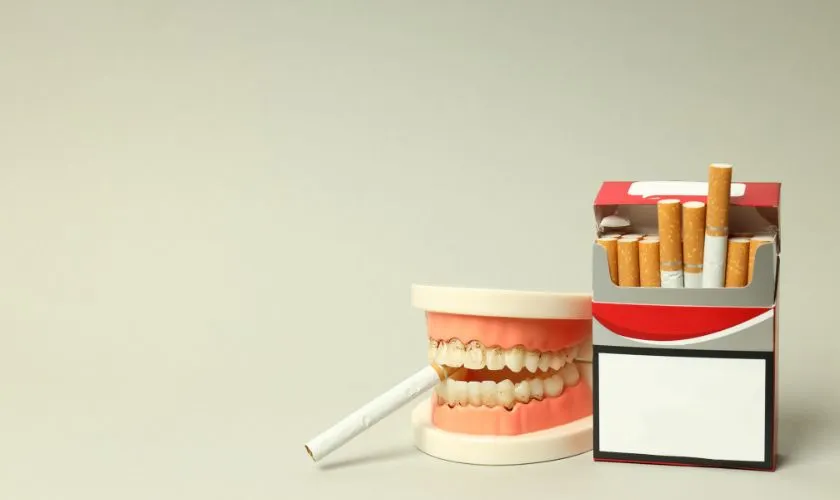
Smoking and tobacco use devastate oral health in numerous ways, from staining teeth and causing bad breath to increasing cancer risk and causing tooth loss. While most people know smoking harms lungs and heart, many underestimate its impact on oral health. Understanding how tobacco damages your mouth, recognizing the signs of tobacco-related oral disease, and knowing how to quit successfully can help you protect your smile and overall health.
How Smoking Affects Oral Health
Immediate Effects
Cosmetic Impact:
- Yellow and brown tooth staining
- Discolored tongue
- Stained dental work
- Darkened gums
- Premature aging of facial skin
- Smoker’s lips (darkened, wrinkled)
Bad Breath:
- Persistent tobacco odor
- Dry mouth worsens smell
- Difficult to mask
- Socially embarrassing
- Affects personal and professional life
Taste and Smell:
- Reduced ability to taste food
- Diminished sense of smell
- Less enjoyment of meals
- Affects nutrition choices
- May take weeks to months to recover
Long-Term Damage
Gum Disease:
- Smoking #1 risk factor for periodontal disease
- Reduces blood flow to gums
- Impairs immune response
- Delays healing
- Increases severity and progression
- Higher tooth loss rates
Oral Cancer:
- 90% of oral cancer patients use tobacco
- Cancers of lips, tongue, throat, floor of mouth
- Often detected late due to painless early stages
- High mortality rate
- Combination with alcohol multiplies risk
- All tobacco products increase risk
Tooth Loss:
- Smokers 2-3 times more likely to lose teeth
- Bone loss around teeth
- Failed dental treatments
- Poor healing after extractions
- Dental implant failures
- Complete tooth loss more common
Delayed Healing:
- Slower recovery after dental procedures
- Higher infection rates
- Failed surgical outcomes
- Dry socket after extractions
- Compromised bone grafts
- Implant integration problems
Specific Oral Conditions Caused by Smoking
Periodontal (Gum) Disease
How Smoking Causes Gum Disease:
- Reduces oxygen in bloodstream
- Allows harmful bacteria to thrive
- Weakens immune system response
- Masks symptoms (less bleeding)
- Accelerates bone and tissue destruction
- Makes treatment less effective
Signs in Smokers:
- May not bleed as much (vasoconstriction)
- Gum recession more severe
- Deeper pockets between teeth and gums
- More bone loss
- Faster progression
- Often painless until advanced
Treatment Challenges:
- Less responsive to treatment
- Requires more aggressive therapy
- Higher recurrence rates
- Maintenance more demanding
- Surgery outcomes compromised
- Quitting essential for success
Leukoplakia
What It Is:
- White or gray patches in mouth
- Thickened tissue
- Cannot be scraped off
- Precancerous condition
- Higher risk in smokers
- Requires monitoring
Locations:
- Inside cheeks
- Gums
- Tongue
- Floor of mouth
- Roof of mouth
Management:
- Regular dental monitoring
- Biopsy if suspicious
- Quit tobacco immediately
- May resolve after quitting
- Some require surgical removal
- Cancer prevention critical
Oral Cancer
Types and Locations:
- Squamous cell carcinoma most common
- Tongue cancer
- Floor of mouth
- Lips (especially lower)
- Soft palate
- Throat cancers
Warning Signs:
- Persistent sores or ulcers
- Red or white patches
- Lumps or thickening
- Difficulty swallowing
- Numbness in mouth
- Persistent sore throat
- Ear pain on one side
- Voice changes
Early Detection:
- Regular dental checkups include screening
- Self-examination monthly
- Report any changes immediately
- Early stage treatment more successful
- Dentists trained to identify
- Available screening in Nairobi clinics
Smoker’s Melanosis
Characteristics:
- Brown discoloration of gums
- Benign condition
- Caused by melanin increase
- More common in darker-skinned individuals
- Reversible with cessation
- Cosmetic concern
Black Hairy Tongue
What Happens:
- Elongated papillae on tongue
- Trap bacteria and debris
- Appear dark or black
- Hairy appearance
- Bad breath accompaniment
- Harmless but unsightly
Treatment:
- Improve oral hygiene
- Tongue scraping
- Quit tobacco
- Usually resolves
- Temporary condition
Smokeless Tobacco Effects
Chewing Tobacco and Snuff
Unique Risks:
- Direct tissue contact
- Higher nicotine absorption
- Sugar content in some products
- Gum recession at placement site
- Localized tissue damage
- Not a safe alternative
Specific Problems:
- Severe gum recession
- Bone loss
- Tooth decay from sugars
- Staining and bad breath
- Precancerous lesions
- High oral cancer risk
E-Cigarettes and Vaping
Emerging Evidence:
- Long-term effects still unknown
- Nicotine still present
- Chemicals affect oral tissues
- Dry mouth common
- Gum inflammation
- Not risk-free alternative
Oral Health Concerns:
- Reduced saliva production
- Increased cavity risk
- Gum disease potential
- Tissue irritation
- Unknown long-term cancer risk
- Not recommended for oral health
Impact on Dental Treatments
Treatment Complications
Extractions:
- Dry socket 3-4 times more common
- Slower healing
- Higher infection rates
- More pain and discomfort
- Delayed bone healing
Dental Implants:
- 2-3 times higher failure rate
- Poor osseointegration
- Bone grafts less successful
- More complications
- Many dentists require quitting
- Long-term survival compromised
Periodontal Surgery:
- Reduced success rates
- Slower tissue regeneration
- Higher recurrence of disease
- More post-operative complications
- Compromised healing
Root Canals:
- Lower success rates
- Healing problems
- Higher reinfection risk
- More post-operative pain
Cosmetic Dentistry:
- Whitening less effective
- Rapid restaining
- Compromised bonding
- Shorter restoration lifespan
- Gum aesthetics affected
Health Benefits of Quitting
Immediate Improvements
Within 20 Minutes:
- Heart rate drops
- Blood pressure decreases
- Circulation begins improving
Within 24-48 Hours:
- Carbon monoxide levels normalize
- Oxygen delivery improves
- Taste and smell begin returning
Within 1-2 Weeks:
- Gum inflammation reduces
- Breath improves noticeably
- Circulation continues improving
- Healing capacity increases
Long-Term Benefits
3 Months:
- Gum health significantly improved
- Reduced bleeding and inflammation
- Better response to dental treatment
- Staining begins fading
- Energy levels increase
6 Months – 1 Year:
- Periodontal disease progression slows
- Oral cancer risk begins declining
- Wound healing normalizes
- Immune function improves
- Dental treatment success improves
5 Years:
- Oral cancer risk reduced by 50%
- Gum disease risk approaches non-smoker levels
- Overall oral health much improved
10-15 Years:
- Cancer risk similar to non-smokers
- Overall health dramatically improved
- Life expectancy increased
- Quality of life enhanced
Quitting Strategies
Preparing to Quit
Set a Quit Date:
- Choose specific date within next 2 weeks
- Mark on calendar
- Tell friends and family
- Prepare support systems
- Remove tobacco products
- Plan for challenges
Identify Triggers:
- Stress situations
- Social settings
- After meals
- With coffee or alcohol
- Driving
- Work breaks
Develop Alternatives:
- Healthy substitutes for triggers
- Stress management techniques
- New routines
- Sugar-free gum or mints
- Water bottle handy
- Exercise or walking
Nicotine Replacement Therapy (NRT)
Options Available:
- Nicotine patches: Steady dose throughout day
- Nicotine gum: Quick relief for cravings
- Lozenges: Discreet, convenient
- Nasal spray: Fastest relief
- Inhaler: Mimics smoking action
How NRT Helps:
- Reduces withdrawal symptoms
- Doubles quit success rates
- Provides controlled nicotine
- Gradually decreases dependence
- Available over-counter or prescription
- Can combine different types
Prescription Medications
Varenicline (Chantix):
- Reduces nicotine cravings
- Blocks nicotine receptors
- Makes smoking less satisfying
- Prescription required
- 3-6 month course
- Higher success rates
Bupropion (Zyban, Wellbutrin):
- Antidepressant that reduces cravings
- Helps with withdrawal symptoms
- Non-nicotine option
- Prescription needed
- Start before quit date
- Useful for depression concerns
Consult Healthcare Provider:
- Discuss options for your situation
- Medical history considerations
- Possible side effects
- Cost and insurance coverage
- Monitoring and follow-up
- Available in Nairobi pharmacies
Behavioral Support
Counseling:
- Individual or group sessions
- Identify triggers and solutions
- Coping strategies
- Accountability and support
- Higher success with counseling
- Combined with medication most effective
Support Groups:
- Share experiences with others
- Mutual encouragement
- Learn from others’ success
- Reduces isolation
- Free or low-cost options
- Online and in-person available
Quit-Line Services:
- Telephone counseling
- Text message support
- Information and resources
- Free services often available
- Convenient and confidential
- Evidence-based support
Alternative Therapies
Hypnotherapy:
- Some people find helpful
- Limited scientific evidence
- May address psychological aspects
- Variable results
- Safe to try
- Works for some individuals
Acupuncture:
- May reduce cravings and withdrawal
- Mixed research results
- Safe complementary approach
- Consider with other methods
- Traditional practice
- Available in Nairobi
Mindfulness and Meditation:
- Manages stress without smoking
- Increases awareness of triggers
- Coping mechanism for cravings
- Long-term benefits
- Free resources available
- Growing evidence base
Managing Withdrawal
Common Symptoms
Physical Symptoms:
- Nicotine cravings (intense but brief)
- Headaches
- Increased appetite
- Fatigue
- Insomnia
- Constipation
- Coughing (lungs clearing)
Emotional Symptoms:
- Irritability and mood swings
- Anxiety
- Depression
- Difficulty concentrating
- Restlessness
- Anger
Timeline:
- Peak symptoms: 2-3 days
- Most symptoms: 2-4 weeks
- Psychological cravings: longer
- Gets easier with time
- Temporary discomfort
- Worth the benefits
Coping Strategies
For Cravings:
- Wait it out (usually pass in 5-10 minutes)
- Deep breathing exercises
- Drink water
- Chew gum or eat carrot sticks
- Call support person
- Exercise or walk
- Keep hands busy
For Stress:
- Physical activity
- Relaxation techniques
- Music or hobbies
- Talk to friend
- Meditation or yoga
- Adequate sleep
For Weight Gain Concerns:
- Healthy snacking
- Regular exercise
- Stay hydrated
- Don’t diet while quitting (one challenge at a time)
- Average gain 5-10 pounds
- Temporary and manageable
Preventing Relapse
High-Risk Situations
Common Triggers:
- Stressful events
- Social drinking
- Being around other smokers
- After meals
- During breaks
- Boredom
Strategies:
- Avoid triggers initially
- Develop new routines
- Practice refusal skills
- Change environment
- Identify safe activities
- Plan ahead for challenges
If You Slip
Don’t Give Up:
- One cigarette doesn’t mean failure
- Learn from experience
- Identify what triggered it
- Adjust your plan
- Get back on track immediately
- Most successful quitters tried multiple times
Seek Additional Support:
- Contact counselor or support group
- Try different medication
- Increase accountability
- Address underlying issues
- Don’t be ashamed to ask for help
Special Considerations
Pregnancy and Tobacco
Risks to Baby:
- Low birth weight
- Premature birth
- Birth defects
- Sudden infant death syndrome (SIDS)
- Developmental problems
- Oral clefts
Safe Quitting:
- Behavioral methods preferred
- NRT if necessary under supervision
- Most medications avoided
- Benefits outweigh risks
- Critical for baby’s health
- Support available in Nairobi
Youth and Tobacco Prevention
Preventing Youth Tobacco Use:
- Education about risks
- Family communication
- Positive peer influence
- Activity involvement
- Media literacy
- School programs
Warning Signs:
- Tobacco smell
- Stained fingers
- Coughing
- Behavioral changes
- Suspicious purchases
- Peer group changes
Supporting Quitting:
- Non-judgmental approach
- Professional help
- Address peer pressure
- Family involvement
- School resources
- Community programs
Dental Care for Smokers
Current Smokers
Extra Vigilance:
- Dental visits every 3-4 months
- Thorough home care essential
- Self-examine mouth monthly
- Report any changes immediately
- Consider professional whitening
- Gum disease treatment if needed
Honest Communication:
- Tell dentist about tobacco use
- Discuss quitting resources
- Treatment modifications may be needed
- Understanding health risks
- Partnership approach
- Available support in Nairobi
Former Smokers
Continued Care:
- Regular dental checkups
- Monitor for delayed effects
- Oral cancer screening
- Maintain excellent oral hygiene
- Celebrate success
- Remain vigilant
Restorative Options:
- Teeth whitening
- Gum recontouring
- Dental implants (after cessation)
- Cosmetic improvements
- Full smile makeover
- Reverse tobacco damage
Resources and Support
In Nairobi
Healthcare Resources:
- Dental professionals offering cessation support
- Medical doctors and counselors
- Pharmacies with NRT products
- Support groups
- Quit-line services if available
- Community health programs
Professional Help:
- Discuss with dentist at checkup
- Primary care physician
- Mental health counselors
- Tobacco cessation specialists
- Combination approach best
- Comprehensive support available
Conclusion
Smoking and tobacco use cause devastating damage to oral health, increasing risks of gum disease, tooth loss, and oral cancer. The good news is that quitting at any age brings significant benefits, with oral health improvements beginning almost immediately. While quitting is challenging, numerous effective treatments and support systems are available to help you succeed.
Your dentist is a valuable partner in your quit journey, offering motivation, monitoring, and resources. Don’t be embarrassed to discuss your tobacco use—dental professionals are trained to provide non-judgmental support and evidence-based quitting strategies.
If you use tobacco, make today the day you decide to quit. Your mouth, teeth, gums, and entire body will thank you. The best time to quit was when you started; the second-best time is now. Reach out to your dentist or healthcare provider to begin your journey toward a tobacco-free life.
Quality support for tobacco cessation is available throughout Nairobi, with dental professionals ready to help you protect your oral health and overall well-being. Don’t let tobacco rob you of your smile, health, and life. Take the first step toward quitting today.