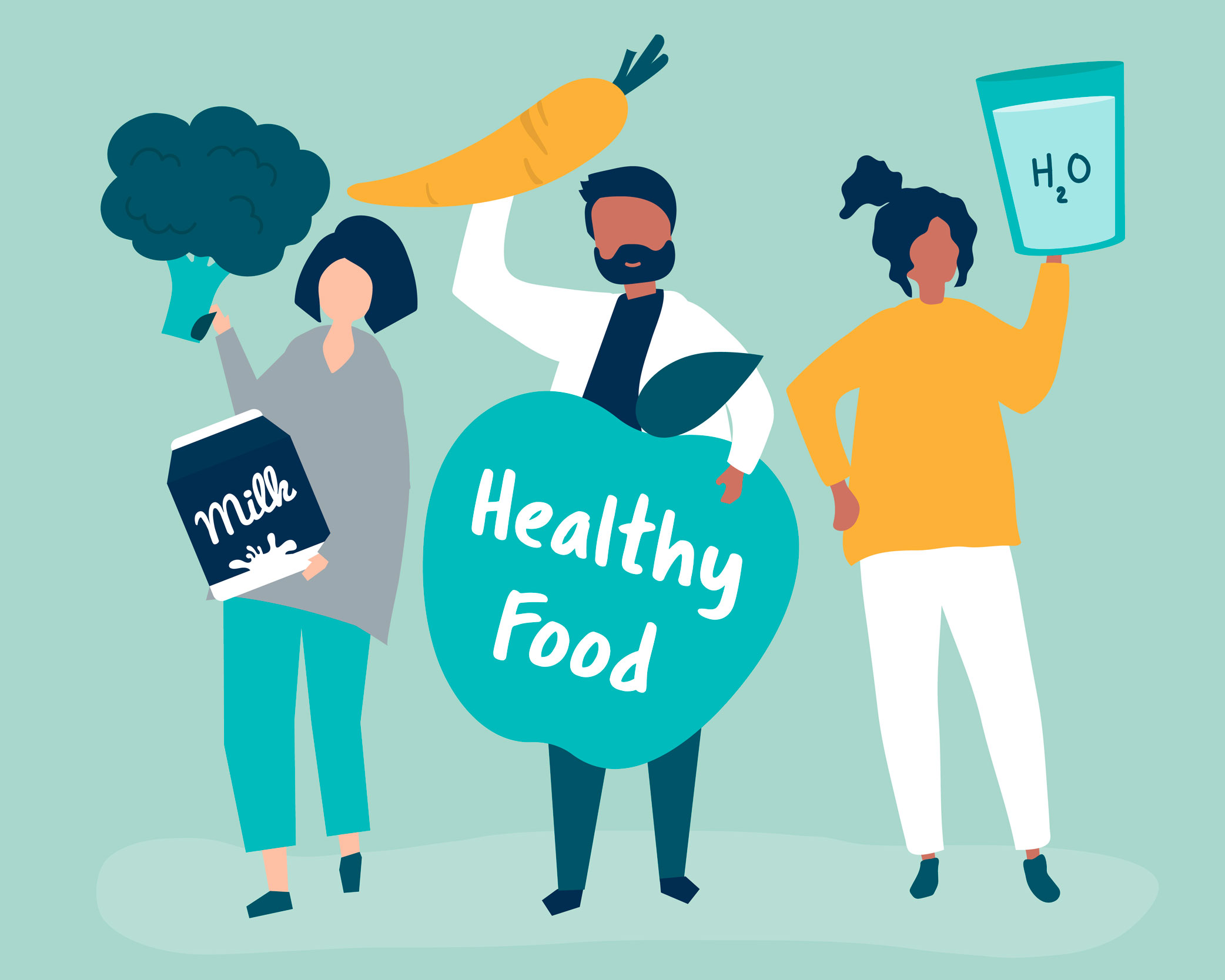
What you eat directly impacts your oral health, affecting everything from cavity formation to gum disease risk. While most people know sugar damages teeth, the relationship between diet and oral health is far more complex. Understanding which foods promote dental health, which cause damage, and how eating habits affect your mouth can help you make informed choices that protect your smile while enjoying a nutritious, satisfying diet.
The Connection Between Diet and Oral Health
How Food Affects Your Teeth
The Decay Process:
- Bacteria in mouth feed on sugars and starches
- Produce acid as byproduct
- Acid attacks tooth enamel
- Repeated attacks weaken enamel
- Cavities develop in weakened areas
- Process accelerated by frequent eating
Saliva’s Protective Role:
- Neutralizes acids in mouth
- Washes away food particles
- Contains minerals that repair early decay
- Antibacterial properties
- Production stimulated by chewing
- Reduced by certain foods and conditions
The pH Balance:
- Normal mouth pH: around 7 (neutral)
- Eating drops pH below 5.5 (acidic)
- Enamel begins dissolving at pH 5.5
- Takes 20-30 minutes to return to normal
- Frequent snacking keeps pH low
- Chronic acidity damages teeth
Impact on Gums
Gum Health Factors:
- Vitamin deficiencies affect gum integrity
- Inflammation triggered by poor diet
- Blood sugar levels influence healing
- Antioxidants support gum tissue
- Omega-3s reduce inflammation
- Nutrients critical for tissue repair
Foods That Promote Oral Health
Dairy Products
Benefits:
- High in calcium strengthening teeth and bones
- Phosphorus helps remineralize enamel
- Casein protein protects against decay
- Probiotics in yogurt benefit oral bacteria
- Stimulates saliva production
- Low in sugar (unflavored varieties)
Best Choices:
- Plain milk
- Cheese (especially hard cheeses)
- Plain yogurt with active cultures
- Kefir
- Low-fat options available
- Choose unsweetened varieties
How to Include:
- Glass of milk with meals
- Cheese as snack
- Yogurt for breakfast or dessert
- Add to smoothies
- Use in cooking
- Readily available throughout Nairobi
Crunchy Fruits and Vegetables
Why They’re Good:
- High water content dilutes sugars
- Fibrous texture cleans teeth naturally
- Stimulate saliva production
- Provide essential vitamins
- Scrub away plaque gently
- Low in calories, high in nutrition
Top Choices:
- Apples (nature’s toothbrush)
- Carrots
- Celery
- Cucumbers
- Bell peppers
- Broccoli
- Cauliflower
Tips for Consumption:
- Eat raw for maximum benefit
- Chew thoroughly
- End meals with crunchy vegetables
- Keep cut veggies handy for snacks
- Pair with healthy dips
- Fresh produce abundant in Nairobi markets
Leafy Greens
Nutritional Benefits:
- High in calcium for strong teeth
- Vitamins A and C for gum health
- Folic acid benefits pregnant women
- Low in calories
- Rich in antioxidants
- Supports overall health
Best Options:
- Spinach
- Kale
- Swiss chard
- Lettuce varieties
- Collard greens
- Traditional Kenyan sukuma wiki
Incorporating into Diet:
- Salads with meals
- Smoothie ingredients
- Cooked side dishes
- Added to soups and stews
- Traditional preparations
- Multiple servings daily
Nuts and Seeds
Oral Health Benefits:
- Stimulate saliva production
- Provide calcium and phosphorus
- Protein for tissue repair
- Healthy fats reduce inflammation
- Vitamin E for gum health
- Scraping action cleans teeth
Nutritious Choices:
- Almonds
- Cashews
- Peanuts
- Sunflower seeds
- Sesame seeds
- Pumpkin seeds
Consumption Tips:
- Small handful as snack
- Add to yogurt or salads
- Ground into nut butters
- Sprinkle on dishes
- Choose unsalted varieties
- Watch portion sizes
Lean Proteins
Why They Matter:
- Phosphorus protects tooth enamel
- Protein supports tissue repair
- B vitamins for oral health
- Iron prevents tongue inflammation
- Supports immune function
- Maintains muscle and bone
Excellent Sources:
- Fish (especially fatty fish with omega-3s)
- Chicken and turkey
- Eggs
- Beans and legumes
- Lean beef
- Tofu and tempeh
Preparation Methods:
- Grilled, baked, or steamed
- Avoid sugary sauces
- Limit fried preparations
- Season with herbs
- Variety important
- Traditional Kenyan proteins excellent
Green and Black Tea
Dental Benefits:
- Polyphenols slow bacteria growth
- Reduce acid production
- Contain fluoride naturally
- Antibacterial properties
- Anti-inflammatory effects
- May strengthen enamel
Best Practices:
- Drink unsweetened
- Don’t add lemon (acidic)
- Moderate consumption (staining possible)
- Green tea especially beneficial
- Let cool slightly before drinking
- Rinse with water after
Water
The Ultimate Drink:
- Washes away food particles
- Dilutes acids in mouth
- Contains fluoride (in many areas)
- Stimulates saliva production
- Zero calories or sugar
- Keeps mouth hydrated
Hydration Tips:
- Drink throughout the day
- Rinse after meals
- Choose over sugary drinks
- Carry water bottle
- Increase in hot weather
- Especially important in Nairobi’s climate
Foods That Harm Oral Health
Sugary Foods and Drinks
Why Sugar Is Harmful:
- Bacteria’s favorite food source
- Produces cavity-causing acid
- Frequent exposure most damaging
- Hidden sugars in many foods
- Creates acidic environment
- Accelerates decay process
Worst Offenders:
- Candy (especially sticky or hard)
- Cookies and cakes
- Sodas and soft drinks
- Sweetened juices
- Sports and energy drinks
- Sweetened cereals
- Flavored coffees and teas
Damage Minimization:
- Limit frequency, not just amount
- Consume with meals rather than alone
- Rinse mouth with water after
- Brush 30 minutes after (if acidic)
- Choose sugar-free alternatives
- Read labels for hidden sugars
Acidic Foods and Beverages
How Acids Damage Teeth:
- Directly erode tooth enamel
- Soften enamel making it vulnerable
- Cumulative effect over time
- Increased sensitivity
- Can’t be reversed once lost
- Wears away protective layer
High-Acid Items:
- Citrus fruits and juices
- Tomatoes and tomato sauce
- Pickles and vinegar
- Wine (especially white)
- Carbonated beverages
- Sports drinks
Protective Strategies:
- Don’t brush immediately after acids
- Use straw for acidic drinks
- Rinse with water after
- Pair with protective foods
- Limit sipping time
- Don’t swish in mouth
Sticky and Chewy Foods
The Problem:
- Adhere to teeth surfaces
- Stay in contact longer
- Difficult to remove
- Get stuck between teeth
- Continuous acid production
- Higher decay risk
Foods to Limit:
- Dried fruits (raisins, dates, apricots)
- Caramels and taffy
- Gummy candies
- Sticky granola bars
- Fruit leather
- Chewing gum with sugar
If You Indulge:
- Brush and floss immediately after
- Rinse thoroughly with water
- Choose fresh over dried fruit
- Limit frequency
- Check teeth for remaining particles
- Consider sugar-free alternatives
Starchy Foods
Why They’re Problematic:
- Break down into sugars quickly
- Get trapped between teeth
- Stick to tooth surfaces
- Feed decay-causing bacteria
- Often eaten frequently
- Combined with sugars in processed foods
High-Starch Items:
- White bread and pasta
- Potato chips and crackers
- French fries
- Pretzels
- Refined cereals
- Processed snack foods
Healthier Approaches:
- Choose whole grain versions
- Pair with protective foods
- Rinse or brush after
- Limit between-meal consumption
- Select less processed options
- Include protein and fiber
Hard Foods
Potential Damage:
- Crack or chip teeth
- Damage dental work
- Wear down enamel
- Jaw strain
- Broken fillings or crowns
- Emergency dental visits
Risky Items:
- Ice cubes (never chew)
- Hard candies
- Popcorn kernels
- Nut shells
- Hard pretzels
- Bones in meat
Prevention:
- Don’t use teeth as tools
- Be cautious with hard foods
- Cut into smaller pieces
- Suck hard candies (don’t chew)
- Remove bones before eating
- Protect teeth during activities
Coffee and Dark Beverages
Staining and Other Issues:
- Tannins cause surface stains
- Acidic nature erodes enamel
- Can cause dry mouth
- Temperature extremes harmful
- Added sugar increases damage
- Frequent sipping problematic
Minimizing Damage:
- Drink through straw
- Rinse with water after
- Limit to mealtimes
- Avoid sipping all day
- Consider whitening toothpaste
- Regular dental cleanings
- Available professional whitening in Nairobi
Eating Habits That Protect Teeth
Meal Timing and Frequency
Why It Matters:
- Mouth needs time to neutralize acids
- Constant snacking keeps pH low
- Saliva needs recovery time
- Frequent exposure worse than amount
- Teeth need remineralization periods
Best Practices:
- Three main meals daily
- Limit snacking between meals
- If snacking, choose wisely
- End meals with water or cheese
- Allow 2-3 hours between eating
- Avoid late-night snacking
Proper Food Combinations
Strategic Pairing:
- End meals with cheese (protective)
- Pair acidic foods with calcium-rich items
- Include protein with carbohydrates
- Drink water with meals
- Follow sweets with crunchy vegetables
- Combine foods for balance
Chewing Patterns
Mindful Chewing:
- Chew thoroughly before swallowing
- Distribute chewing evenly
- Stimulates saliva production
- Aids digestion
- Strengthens jaw muscles
- Cleanses teeth naturally
Chewing Gum:
- Sugar-free only
- Xylitol-containing best
- After meals beneficial
- Stimulates saliva flow
- Neutralizes acids
- Not substitute for brushing
Special Dietary Considerations
Vegetarian and Vegan Diets
Nutritional Concerns:
- Calcium from non-dairy sources
- Vitamin B12 supplementation
- Iron from plant sources
- Vitamin D considerations
- Complete protein combining
- Omega-3 from plants
Ensuring Oral Health:
- Fortified plant milks
- Leafy greens for calcium
- Beans and legumes
- Nuts and seeds
- Nutritional yeast
- Possible supplements
- Consult nutritionist if concerned
Diabetes and Oral Health
Special Considerations:
- Blood sugar control critical
- Higher infection risk
- Delayed healing
- Dry mouth common
- Gum disease more likely
- Regular dental care essential
Dietary Management:
- Complex carbohydrates over simple
- Consistent meal timing
- Monitor blood sugar
- Stay hydrated
- Choose low-sugar options
- Work with healthcare team
Children’s Diets
Building Healthy Habits:
- Limit juice consumption
- No bottles to bed
- Healthy snack choices
- Regular meal times
- Water as main beverage
- Gradual taste development
Kid-Friendly Tooth-Healthy Foods:
- Cheese sticks
- Apple slices
- Carrot sticks
- Yogurt (unsweetened)
- Hard-boiled eggs
- Whole grain crackers with cheese
Pregnancy Nutrition
Importance for Oral Health:
- Baby’s teeth developing
- Mother’s nutritional needs increased
- Calcium critical
- Morning sickness concerns
- Cravings management
- Gum health especially important
Recommendations:
- Adequate calcium and vitamin D
- Frequent small meals
- Rinse after morning sickness
- Healthy snack choices
- Prenatal vitamins
- Regular dental care
Cultural Foods and Oral Health
Traditional Kenyan Diet
Beneficial Traditional Foods:
- Sukuma wiki (high in calcium)
- Githeri (protein and fiber)
- Ugali (provides energy)
- Fresh fruits (vitamins and fiber)
- Roasted maize (less processed)
- Traditional proteins
Modern Adaptations:
- Balance traditional with modern knowledge
- Reduce added sugars
- Maintain vegetable consumption
- Choose whole grains
- Limit processed snacks
- Keep beneficial traditions
Supplements for Oral Health
Important Nutrients
Calcium:
- Strengthens teeth and bones
- 1000-1200mg daily for adults
- Food sources best
- Supplements if needed
- Take with vitamin D
Vitamin D:
- Helps absorb calcium
- Supports immune function
- Sunlight exposure important
- Supplements often needed
- Blood levels can be tested
Vitamin C:
- Essential for gum health
- Promotes healing
- Antioxidant properties
- Found in many fruits/vegetables
- Deficiency causes gum problems
Probiotics:
- Support oral microbiome
- May reduce bad bacteria
- Fermented foods beneficial
- Supplements available
- Research ongoing
Omega-3 Fatty Acids:
- Anti-inflammatory
- Support gum health
- Found in fatty fish
- Plant sources available
- Consider supplements
Practical Implementation
Creating Your Tooth-Healthy Diet
Planning Strategies:
- Stock tooth-friendly snacks
- Meal prep protective foods
- Read nutrition labels
- Shop produce sections
- Cook at home more
- Plan balanced meals
- Available ingredients in Nairobi
Shopping Tips:
- Perimeter of store (fresh foods)
- Seasonal produce
- Local markets for fresh items
- Read ingredient lists
- Avoid processed foods
- Choose whole grains
- Support local farmers
Daily Meal Planning
Sample Day:
Breakfast:
- Whole grain cereal with milk
- Banana or berries
- Green tea or water
Lunch:
- Grilled chicken or fish
- Large salad with vegetables
- Whole grain roll
- Water
Dinner:
- Lean protein
- Sukuma wiki or other greens
- Ugali or brown rice
- Vegetable side
- Water
Snacks:
- Apple slices with peanut butter
- Cheese and whole grain crackers
- Carrot sticks
- Handful of nuts
- Plain yogurt
Dining Out Considerations
Making Smart Choices:
- Choose grilled over fried
- Ask for sauces on side
- Request water instead of soda
- Salad as starter
- Share desserts if indulging
- Many Nairobi restaurants offer healthy options
Long-Term Success
Building Sustainable Habits
Gradual Changes:
- Start with one improvement
- Add healthy foods before removing others
- Don’t aim for perfection
- Celebrate progress
- Make it enjoyable
- Sustainable long-term
Staying Motivated:
- Track improvements in oral health
- Notice more energy
- Appreciate better overall health
- Regular dental checkups show progress
- Feel good about choices
- Share with family
Combining Diet with Oral Hygiene
Comprehensive Approach:
- Diet alone isn’t enough
- Excellent oral hygiene essential
- Regular dental visits crucial
- Combined effect powerful
- Preventive approach best
- Whole-body health benefits
Conclusion
Your diet plays a crucial role in your oral health, affecting everything from cavity risk to gum disease development. By understanding which foods promote dental health, limiting those that cause damage, and developing smart eating habits, you can significantly improve your oral health while enjoying a nutritious, satisfying diet.
Remember that good oral health requires a comprehensive approach combining tooth-friendly nutrition, excellent oral hygiene, and regular professional dental care. Small dietary changes can make a big difference over time, and the benefits extend far beyond your teeth to your overall health and well-being.
Start making positive changes today by incorporating more tooth-healthy foods into your diet and being mindful of damaging foods and eating patterns. Your teeth, gums, and entire body will thank you for the investment in better nutrition.
If you have concerns about how your diet affects your oral health, consult with a dental professional who can provide personalized guidance based on your specific needs. Quality dental care and nutritional advice are available throughout Nairobi to support your journey toward optimal oral health.
Take control of your oral health through smart dietary choices. The food you eat today shapes the health of your smile tomorrow. Make choices that support strong teeth, healthy gums, and confident smiles for life.
Etiam malesuada fermentum quam
Etiam varius sem sit amet enim lacinia venenatis. Mauris dolor nunc, semper sit amet nisl nec, venenatis scelerisque metus. Praesent auctor nulla felis, a varius quam finibus quis. Nullam volutpat non magna et venenatis. Vestibulum porta odio ipsum, id pulvinar nulla pulvinar at. Maecenas placerat lacus lectus, ut viverra ipsum ultrices in.
Categories



Call Us Today
+254 700 219 219