
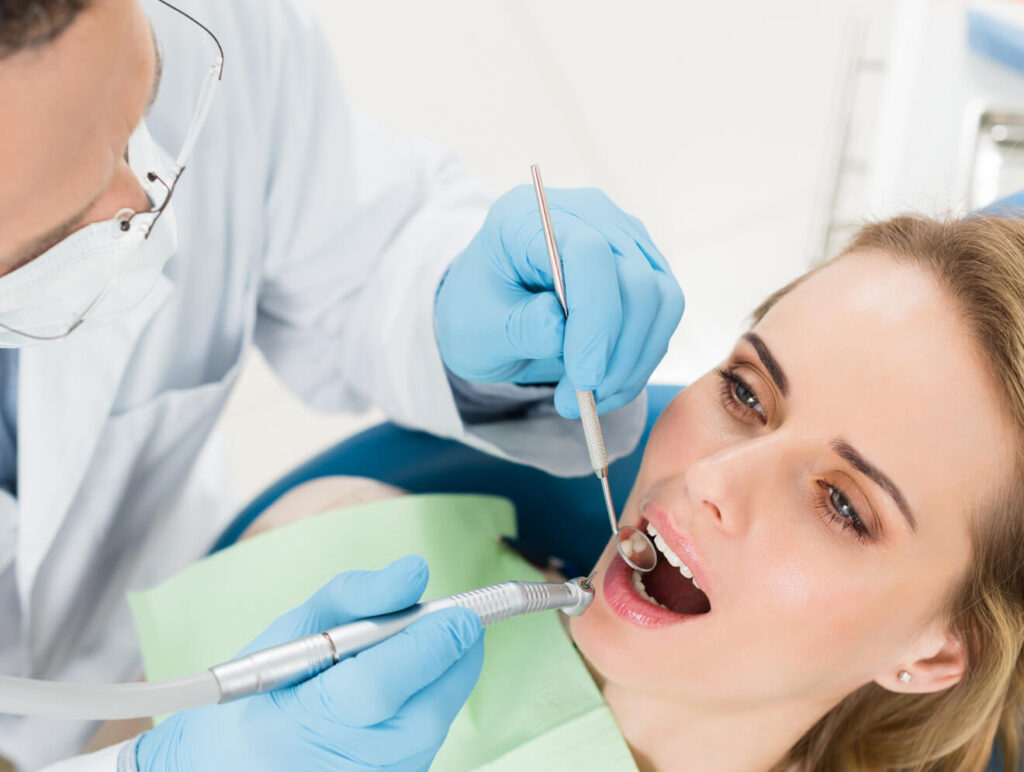
Dental anxiety affects millions of people worldwide, preventing them from seeking necessary oral care and leading to serious dental health problems. Whether stemming from past negative experiences, fear of pain, or general anxiety about medical procedures, dental phobia is a real and significant barrier to oral health. Understanding dental anxiety, learning coping strategies, and finding the right dental care provider can help you overcome these fears and maintain healthy teeth for life.
Understanding Dental Anxiety
What Is Dental Anxiety?
Definition and Scope:
- Nervousness, worry, or fear about dental visits
- Ranges from mild uneasiness to severe phobia
- Affects people of all ages
- Can prevent necessary dental care
- Often has roots in past experiences
- Very common—estimated 36% of population affected
- Treatable with right approach and support
Levels of Dental Anxiety:
Mild Anxiety:
- Some nervousness before appointments
- Manageable with basic relaxation techniques
- Doesn’t prevent dental visits
- Improves once treatment starts
- Common and normal
Moderate Anxiety:
- Significant worry before and during visits
- May delay non-urgent appointments
- Physical symptoms (sweating, racing heart)
- Requires coping strategies
- Benefits from supportive dental team
Severe Dental Phobia:
- Intense, overwhelming fear
- Avoidance of dental care entirely
- Panic attacks at thought of dentist
- Severe physical and emotional reactions
- Requires specialized approach
- May need sedation or therapy
Common Fears and Concerns
Pain and Discomfort:
- Fear of pain during procedures
- Worry about anesthetic not working
- Discomfort from instruments
- Past painful experiences
- Anticipation worse than reality
Loss of Control:
- Unable to see what’s happening
- Lying back in vulnerable position
- Can’t talk during procedures
- Feeling trapped in dental chair
- Lack of control over situation
Embarrassment:
- Shame about condition of teeth
- Fear of judgment from dentist
- Bad breath concerns
- Gagging or choking during procedures
- Self-consciousness about reactions
- Worry about being “difficult patient”
Sounds, Smells, and Sights:
- Drill noise triggering fear
- Clinical smell of dental office
- Sight of needles and instruments
- Other patients’ distress
- Unfamiliar equipment
- Medical environment overall
Negative Past Experiences:
- Previous painful procedures
- Insensitive or dismissive dentists
- Childhood trauma at dentist
- Complications during treatment
- Feeling rushed or unheard
- Medical trauma in general
Causes of Dental Anxiety
Root Causes
Traumatic Experiences:
- Painful dental procedure in past
- Rough or insensitive treatment
- Childhood dental trauma
- Emergency dental situations
- Complications or unexpected pain
- Feeling unheard or dismissed
Learned Behavior:
- Family members with dental fear
- Stories from friends about bad experiences
- Media portrayal of dentistry
- Cultural attitudes toward dental care
- Observing others’ anxiety
General Anxiety Disorders:
- Generalized anxiety affecting dental visits
- Panic disorder
- Post-traumatic stress disorder (PTSD)
- Obsessive-compulsive disorder
- Social anxiety
- Health anxiety
Control and Trust Issues:
- Need to control environment
- Difficulty trusting healthcare providers
- Past betrayals of trust
- Fear of vulnerability
- Invasion of personal space concerns
Physical and Psychological Symptoms
Physical Symptoms:
- Rapid heartbeat and palpitations
- Sweating and trembling
- Nausea or upset stomach
- Difficulty breathing
- Dizziness or lightheadedness
- Muscle tension
- Dry mouth
- Sleep disturbances before appointment
Psychological Symptoms:
- Racing thoughts
- Feeling of impending doom
- Difficulty concentrating
- Irritability
- Sense of unreality
- Overwhelming dread
- Catastrophic thinking
Behavioral Responses:
- Canceling or avoiding appointments
- Arriving late or leaving early
- Delaying necessary care
- Self-medicating before visits
- Difficulty sitting still
- Crying or emotional outbursts
Impact of Avoiding Dental Care
Health Consequences
Oral Health Problems:
- Progressive tooth decay
- Advanced gum disease
- Tooth loss
- Infections and abscesses
- Chronic pain
- Need for more extensive treatment later
- Emergency situations requiring urgent care
Overall Health Impact:
- Heart disease risk from gum disease
- Diabetes complications
- Nutritional problems from chewing difficulties
- Speech difficulties
- Sleep disorders
- Chronic pain affecting daily life
Quality of Life:
- Self-consciousness about smile
- Social withdrawal
- Professional limitations
- Reduced confidence
- Impact on relationships
- Chronic stress and worry
Strategies for Managing Dental Anxiety
Before Your Appointment
Choosing the Right Dentist:
- Look for dentists experienced with anxious patients
- Read reviews mentioning gentle care
- Schedule consultation to meet dentist
- Ask about anxiety management options
- Find someone who listens and validates concerns
- Many Nairobi dentists specialize in anxious patients
Preparation Techniques:
- Schedule morning appointments (less time to worry)
- Bring support person if allowed
- Listen to calming music before appointment
- Practice relaxation techniques
- Get good sleep night before
- Eat light meal (not on empty stomach)
- Avoid caffeine before visit
Communication:
- Tell dentist about your anxiety
- Discuss specific fears and triggers
- Establish stop signal (raise hand)
- Ask questions about procedures
- Request detailed explanations
- Express need for frequent breaks
- Don’t minimize your concerns
During Your Appointment
Relaxation Techniques:
Deep Breathing:
- Breathe in slowly through nose (count to 4)
- Hold briefly
- Exhale slowly through mouth (count to 6)
- Repeat throughout appointment
- Activates relaxation response
- Can do discreetly in chair
Progressive Muscle Relaxation:
- Tense then relax muscle groups
- Start with toes, work up body
- Hold tension 5 seconds, release
- Focus on difference between tense and relaxed
- Reduces physical anxiety symptoms
Visualization:
- Imagine peaceful, safe place
- Engage all senses in visualization
- Return to this place when anxious
- Practice before appointment
- Creates mental escape
Distraction Methods:
- Listen to music or podcasts with headphones
- Watch videos on phone or provided screens
- Use stress ball or fidget toy
- Count ceiling tiles or focus on object
- Mental games or puzzles
- Anything to redirect attention
Mindfulness Techniques:
- Focus on present moment
- Notice sensations without judgment
- Ground yourself (5 senses exercise)
- Accept feelings without fighting them
- Acknowledge anxiety and let it pass
Professional Anxiety Management
Sedation Options:
Nitrous Oxide (Laughing Gas):
- Mild sedation, conscious throughout
- Inhaled through mask
- Quick onset and recovery
- Reduces anxiety and increases pain threshold
- Wear off quickly after procedure
- Safe for most patients
- Commonly available in Nairobi
Oral Sedation:
- Medication taken before appointment
- Minimal to moderate sedation
- Remain conscious but relaxed
- May have limited memory of procedure
- Need someone to drive you
- Takes hours to wear off
IV Sedation:
- Moderate to deep sedation
- Quick onset and adjustable
- May not remember procedure
- Requires monitoring
- Need escort home
- Used for extensive procedures
General Anesthesia:
- Complete unconsciousness
- For severe phobia or extensive work
- Hospital or specialized setting
- Requires medical clearance
- Most expensive option
- Available at select facilities
Other Professional Approaches:
- Behavioral therapy techniques
- Systematic desensitization
- Cognitive behavioral therapy (CBT)
- Hypnotherapy
- Guided imagery with professional
- Biofeedback training
Building Trust with Your Dental Team
Finding the Right Dentist
Qualities to Look For:
- Patient and understanding
- Willingness to explain procedures
- Respects your concerns
- Doesn’t rush appointments
- Gentle technique
- Modern pain management
- Comfortable office environment
- Positive staff interactions
Questions to Ask:
- How do you work with anxious patients?
- What sedation options do you offer?
- Can I take breaks during treatment?
- Will you explain each step?
- What pain management do you use?
- Can I bring headphones or support person?
- What if I need to stop?
Effective Communication
Be Honest About:
- Your level of anxiety
- Specific fears and triggers
- Past negative experiences
- Physical health conditions
- Medications you’re taking
- What helps you feel comfortable
- Your pain tolerance
Establish Agreement:
- Stop signal clearly understood
- Pace of treatment
- Breaks when needed
- Level of explanation desired
- Sedation preferences
- Support person presence
- Follow-up communication
Gradual Exposure Approach
Taking Small Steps
Building Confidence Progressively:
Step 1: Initial Consultation
- Just meet dentist and staff
- Tour facility
- Sit in dental chair briefly
- No treatment this visit
- Ask questions
- Get comfortable with environment
Step 2: Simple Examination
- Visual inspection only
- No instruments in mouth initially
- Gentle introduction to tools
- Short appointment
- Positive experience focus
Step 3: Cleaning or Minor Procedure
- Professional cleaning
- Low-stress treatment
- Build positive associations
- Success experience
- Confidence building
Step 4: More Complex Treatments
- As comfort increases
- Tackle needed procedures
- Continue using coping strategies
- Celebrate progress
Celebrating Progress
Recognizing Success:
- Acknowledge each appointment completed
- Reward yourself after visits
- Track improvements in anxiety levels
- Share successes with support system
- Build on positive experiences
- Don’t dismiss small victories
Special Considerations
Children and Dental Anxiety
Preventing Dental Fear in Kids:
- Start dental visits early (age 1)
- Choose pediatric dentist
- Keep tone positive about dentist
- Don’t share your own fears
- Read books about dental visits
- Role-play dental appointments
- Reward brave behavior
If Anxiety Develops:
- Don’t force or punish
- Find especially patient pediatric dentist
- Use age-appropriate explanations
- Consider sedation if needed
- Stay calm and supportive
- Make it positive experience
Dental Anxiety in Seniors
Unique Challenges:
- Lifetime of possibly negative experiences
- Multiple health conditions
- Medications affecting anxiety
- Mobility or hearing issues
- Fixed income concerns
- Complex dental needs
Helpful Approaches:
- Extra patience and time
- Clear, loud communication
- Assistance with mobility
- Discussion of costs upfront
- Simplified treatment plans
- Home care support if needed
Pregnancy and Dental Anxiety
Special Concerns:
- Hormonal effects on emotions
- Worries about baby’s safety
- Discomfort lying back
- Increased gag reflex
- Dental treatment necessity vs. anxiety
Safe Management:
- Dental care safe during pregnancy
- Second trimester ideal for treatment
- Communicate pregnancy to team
- Special positioning if needed
- Most sedation options not recommended
- Natural anxiety management preferred
Professional Help for Severe Phobia
When to Seek Therapy
Indicators:
- Avoiding all dental care
- Severe panic attacks
- Impact on daily life
- Physical health suffering
- Unable to manage with self-help
- Previous attempts unsuccessful
Types of Therapy
Cognitive Behavioral Therapy (CBT):
- Identifies negative thought patterns
- Develops coping strategies
- Challenges irrational fears
- Gradual exposure therapy
- Evidence-based approach
- Short-term, focused treatment
Exposure Therapy:
- Gradual, controlled exposure to fears
- Systematic desensitization
- Builds tolerance slowly
- Combined with relaxation techniques
- Supervised by therapist
- Highly effective for phobias
Other Therapeutic Approaches:
- Acceptance and Commitment Therapy (ACT)
- Hypnotherapy
- EMDR for trauma-related anxiety
- Group therapy or support groups
- Medication for severe anxiety (temporary)
Creating Your Anxiety Management Plan
Personalized Strategy
Assess Your Needs:
- Identify specific triggers
- Rate anxiety level (1-10)
- Determine what’s helped before
- Consider sedation options
- Evaluate support system
- Set realistic goals
Develop Your Plan:
- Choose appropriate dentist
- Select relaxation techniques
- Decide on sedation if needed
- Schedule support person
- Plan pre-appointment routine
- Prepare post-visit reward
- Document in writing
Implementation:
- Start with consultation visit
- Use all planned strategies
- Be patient with yourself
- Adjust plan as needed
- Track what works
- Build on successes
Technology and Dental Anxiety
Modern Advances Reducing Fear
Comfort Technology:
- Painless injection systems
- Laser dentistry (less invasive)
- Digital X-rays (faster, less radiation)
- Intraoral cameras (see what dentist sees)
- Noise-canceling headphones
- Virtual reality distraction
- Ceiling-mounted entertainment
Advanced Pain Management:
- Topical anesthetics before injections
- Computer-controlled anesthetic delivery
- Longer-lasting numbing agents
- Multiple pain control options
- Minimally invasive techniques
Communication Tools:
- Apps for anxiety management
- Patient portals for questions
- Video consultations available
- Text reminders and support
- Online reviews and research
Success Stories and Hope
Real People Overcoming Fear
Common Themes:
- Finding right dentist made difference
- Gradual approach worked
- Sedation helped break cycle
- Support person crucial
- Each visit got easier
- Life improved dramatically
- Wish they’d sought help sooner
What Made the Difference:
- Compassionate dental team
- Willingness to communicate
- Appropriate sedation
- Taking time needed
- Celebrating small wins
- Professional therapy when needed
- Not giving up
Maintaining Progress
Long-Term Success
Continuing Strategies:
- Keep regular appointments (prevents emergencies)
- Maintain communication with dental team
- Continue using coping techniques
- Don’t skip preventive care
- Address small problems early
- Stay connected with support
- Remember past successes
Preventing Setbacks:
- Don’t let too much time pass between visits
- Address new anxiety promptly
- Refresh relaxation techniques
- Update dentist on changes
- Seek additional help if needed
- Be kind to yourself
Resources and Support
Finding Help
In Nairobi:
- Dentists specializing in anxious patients
- Sedation dentistry options
- Therapists treating dental phobia
- Support groups (online and in-person)
- Patient advocacy resources
Online Resources:
- Dental anxiety forums
- Guided relaxation recordings
- Educational videos about procedures
- Anxiety management apps
- Virtual support communities
Conclusion
Dental anxiety is real, valid, and treatable. You don’t have to suffer through dental visits or avoid necessary care because of fear. With the right strategies, supportive dental team, and patience with yourself, you can overcome dental anxiety and maintain excellent oral health.
Remember that millions of people successfully manage dental anxiety every day. Modern dentistry offers numerous options for comfort and anxiety management, from gentle techniques to sedation dentistry. The key is taking that first step—finding a dentist who understands and supports anxious patients.
Your oral health is too important to neglect due to anxiety. Start by researching dentists in Nairobi who specialize in treating anxious patients. Schedule a consultation just to meet the team and discuss your concerns. Take it one step at a time, celebrate your progress, and know that better oral health and reduced anxiety are absolutely achievable.
Don’t let fear control your dental health any longer. Reach out to a compassionate dental professional today and begin your journey toward stress-free dental care. You deserve excellent oral health and the confidence that comes with a healthy smile.
Etiam malesuada fermentum quam
Etiam varius sem sit amet enim lacinia venenatis. Mauris dolor nunc, semper sit amet nisl nec, venenatis scelerisque metus. Praesent auctor nulla felis, a varius quam finibus quis. Nullam volutpat non magna et venenatis. Vestibulum porta odio ipsum, id pulvinar nulla pulvinar at. Maecenas placerat lacus lectus, ut viverra ipsum ultrices in.
Categories



Call Us Today
+254 700 219 219