Aging brings unique oral health challenges, but losing teeth doesn’t have to be an inevitable part of getting older. With proper care and regular dental visits, seniors can maintain healthy teeth and gums throughout their lives. Understanding age-related dental issues, knowing how to prevent them, and accessing appropriate care helps older adults enjoy good oral health, proper nutrition, and quality of life well into their golden years.
Age-Related Oral Health Changes
Natural Aging Effects
Physical Changes:
- Enamel wear from decades of use
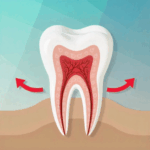
- Gum recession exposing tooth roots
- Reduced saliva production
- Slower healing processes
- Changes in taste perception
- Jaw bone density changes
- Oral tissue becomes thinner, more fragile
Why These Matter:
- Increased sensitivity
- Higher cavity risk at gum line
- Dry mouth complications
- Delayed recovery from procedures
- Nutritional impacts
- Denture fit issues
- Infection susceptibility
Common Dental Problems in Seniors
Root Cavities:
- Decay on exposed root surfaces
- Gum recession main cause
- More difficult to treat
- Progresses quickly
- Requires vigilant prevention
Gum Disease:
- Lifetime accumulation of effects
- Leading cause of tooth loss
- May progress without pain
- Affects overall health
- Treatable at any age
- Prevention still possible
Dry Mouth (Xerostomia):
- Caused by 500+ medications
- Increases decay and infection risk
- Affects denture retention
- Impacts taste and speech
- Reduces quality of life
- Manageable with treatment
Tooth Loss:
- Not inevitable with age
- Result of disease, not aging
- Affects nutrition and health
- Social and psychological impact
- Multiple replacement options
- Prevention through care
Oral Cancer:
- Risk increases with age
- Often detected late
- Regular screening crucial
- Early detection improves outcomes
- Dentists trained to identify
- Available screening in Nairobi
Medications and Oral Health
Common Drug Side Effects
Dry Mouth Culprits:
- Blood pressure medications
- Antidepressants
- Antihistamines
- Pain medications
- Parkinson’s disease drugs
- Many others
Other Oral Effects:
- Gum overgrowth (some medications)
- Altered taste
- Burning mouth sensation
- Increased bleeding
- Slow healing
Management Strategies:
- Never stop medications without doctor approval
- Discuss alternatives if severe problems
- Use saliva substitutes
- Stay well hydrated
- Sugar-free gum or lozenges
- Inform dentist of all medications
- Bring medication list to appointments
Drug Interactions
Dental Treatment Considerations:
- Blood thinners affect extractions
- Bisphosphonates and jaw surgery
- Steroids impact healing
- Antibiotics may interact
- Coordinate with physicians
- Comprehensive medical history essential
Chronic Conditions and Oral Health
Diabetes
Oral Health Connection:
- Two-way relationship
- Gum disease worsens blood sugar control
- Poor control increases gum disease
- Higher infection risk
- Slower healing
- More frequent dental visits needed
Special Care:
- Excellent daily hygiene
- Regular dental checkups (3-4 months)
- Monitor blood sugar
- Coordinate dental and medical care
- Early intervention crucial
- Available comprehensive care in Nairobi
Heart Disease
Important Connections:
- Gum disease linked to heart problems
- Bacteria may affect heart
- Endocarditis prevention
- May need antibiotic prophylaxis
- Inform dentist of heart conditions
- Coordinate care
Arthritis
Dental Care Challenges:
- Difficulty brushing and flossing
- Jaw joint arthritis
- Medication side effects
- Hand dexterity issues
Solutions:
- Electric toothbrushes easier
- Modified grip toothbrushes
- Floss holders or water flossers
- Frequent professional cleanings
- Caregiver assistance if needed
- Adaptive devices available
Dementia and Cognitive Decline
Oral Care Challenges:
- Forgetting to brush
- Difficulty with routine
- Resistance to care
- Communication problems
- Swallowing issues
- Requires caregiver involvement
Strategies:
- Simple, consistent routines
- Visual reminders
- Gentle persistence
- Professional assessment of needs
- Modified approaches
- Caregiver education important
Denture Care for Seniors
Proper Denture Maintenance
Daily Care:
- Remove and rinse after eating
- Brush with denture brush daily
- Soak overnight in solution
- Never use hot water (warps dentures)
- Clean mouth and gums too
- Handle carefully (break easily)
Common Problems:
- Loose or ill-fitting
- Sore spots and irritation
- Difficulty eating
- Speech problems
- Changes in mouth shape
When to See Dentist:
- Annual checkup minimum
- Loose or uncomfortable fit
- Cracks or breaks
- Sore spots persisting
- Changes in bite
- Regular adjustments needed
Implant-Supported Options
For Better Stability:
- Implants secure dentures
- Improved chewing ability
- Better confidence
- Preserve bone
- May be candidate despite age
- Consult implant specialist in Nairobi
Oral Hygiene for Seniors
Daily Care Routine
Effective Brushing:
- Twice daily minimum
- Soft-bristled brush
- Fluoride toothpaste
- Two minutes each time
- Gentle circular motions
- Don’t forget gum line
- Clean tongue too
Flossing Essentials:
- Daily between all teeth
- Water flossers excellent alternative
- Floss holders if dexterity issues
- Interdental brushes helpful
- Don’t skip this step
- Various aids available
Additional Care:
- Fluoride mouthwash daily
- Saliva substitutes if dry mouth
- Regular professional cleanings
- Self-examination monthly
- Report changes immediately
Adaptive Tools
Making It Easier:
- Electric toothbrushes (easier, more effective)
- Large-handle brushes (arthritis)
- Floss holders
- Water flossers
- Lighted magnifying mirrors
- Timer apps
- Available at Nairobi pharmacies
Nutrition and Oral Health
Eating Well with Dental Issues
Nutrient-Dense Soft Foods:
- Yogurt and smoothies
- Soft-cooked vegetables
- Ground meats
- Fish
- Eggs
- Soups and stews
- Mashed beans
Tooth-Friendly Choices:
- Dairy for calcium
- Leafy greens
- Lean proteins
- Whole grains (soft varieties)
- Plenty of water
- Avoid hard, sticky, or very chewy foods
Hydration Importance
Why It Matters:
- Combats dry mouth
- Aids digestion
- Supports overall health
- Helps medication processing
- Maintains saliva production
How Much:
- 6-8 glasses daily
- More if medications cause dry mouth
- Water best choice
- Limit caffeine and alcohol
- Sip throughout day
Preventive Care
Regular Dental Visits
Frequency:
- Every 6 months minimum
- Every 3-4 months if gum disease
- More often if medical conditions
- Don’t skip appointments
- Prevention less expensive than treatment
What to Expect:
- Comprehensive examination
- Professional cleaning
- Oral cancer screening
- X-rays as needed
- Denture assessment
- Personalized recommendations
- Review of medications
Early Detection
Self-Examination:
- Check mouth monthly
- Look for sores, white/red patches
- Note any lumps or swelling
- Check denture fit
- Report changes to dentist
- Early detection crucial
Warning Signs:
- Persistent sores (2+ weeks)
- Bleeding gums
- Loose teeth
- Pain or sensitivity
- Difficulty swallowing
- Voice changes
- Don’t ignore symptoms
Managing Dental Costs
Financial Considerations
Cost-Effective Strategies:
- Prevention cheaper than treatment
- Regular care prevents major problems
- Dental insurance options
- Government programs (if available)
- Dental school clinics
- Payment plans from providers
- Community health centers
Insurance and Benefits
Medicare Considerations:
- Limited dental coverage
- Some advantage plans include dental
- Separate dental insurance available
- Medicaid may cover some services
- Check specific benefits
In Nairobi:
- Various payment options
- Senior discounts sometimes available
- Public and private facilities
- NGO programs
- Payment plans common
- Don’t let cost prevent care
Caregiving and Oral Health
For Family Caregivers
Assisting with Oral Care:
- Establish consistent routine
- Use gentle approach
- Explain what you’re doing
- Respect dignity
- Adapt to abilities
- Seek professional guidance
When to Seek Help:
- Resistance to care
- Declining oral health
- Caregiver stress
- Complex dental needs
- Behavioral issues
- Professional support available
Professional Caregivers
Training Needs:
- Proper oral care techniques
- Denture care
- Recognizing problems
- Documentation
- When to notify family/dentist
- Cultural sensitivity
Special Situations
Homebound Seniors
Access to Care:
- Mobile dental services (some areas)
- Teledentistry consultations
- Transportation assistance
- Home care emphasis
- Family advocacy
- Community resources
Palliative and Hospice Care
Oral Comfort:
- Focus on comfort vs. cure
- Gentle cleaning
- Mouth moisturizing
- Pain management
- Dignity preservation
- Quality of life priority
Long-Term Care Facilities
Ensuring Good Care:
- Facility should have dental policies
- Regular oral hygiene provided
- Access to dental services
- Staff training
- Family monitoring
- Advocate for loved one
Technology for Seniors
Helpful Innovations
Modern Tools:
- Rechargeable electric toothbrushes
- Water flossers (easier than string floss)
- Magnifying mirrors with lights
- Reminder apps and timers
- Teledentistry options
- Digital dental records
Accessibility Features
Making It Easier:
- Large-grip handles
- Voice-activated reminders
- Simple interfaces
- Clear instructions
- Professional setup help
- Growing availability in Nairobi
Maintaining Independence
Self-Care Strategies
Staying Autonomous:
- Adapt tools to abilities
- Maintain routines
- Ask for help when needed
- Don’t give up
- Use technology aids
- Stay informed
Mobility Solutions:
- Transportation services
- Accompany friends to appointments
- Dental offices with accessibility
- Home care when possible
- Community resources
Quality of Life
Social Impact
Oral Health Affects:
- Confidence in social situations
- Willingness to smile and laugh
- Participating in meals with others
- Speaking clearly
- Professional interactions
- Overall happiness
Emotional Well-Being
Mental Health Connection:
- Poor oral health linked to depression
- Social isolation from embarrassment
- Nutrition impacts mood
- Pain affects quality of life
- Treatment improves well-being
- Don’t suffer in silence
Conclusion
Good oral health is achievable and important at every age. Seniors don’t have to accept tooth loss, gum disease, or oral pain as inevitable parts of aging. With proper care, regular dental visits, and appropriate treatment, older adults can maintain healthy, functional teeth throughout their lives.
Age brings unique challenges, but also wisdom about the importance of health. Don’t let dental problems diminish your quality of life. Whether you have natural teeth, dentures, or implants, professional dental care and good daily hygiene keep your mouth healthy and comfortable.
If you’re a senior or care for one, prioritize oral health as part of overall wellness. Dental professionals throughout Nairobi understand senior dental needs and provide compassionate, comprehensive care. Schedule regular checkups, address problems promptly, and maintain the daily care habits that protect your smile.
Your golden years should be filled with smiles, good food, and confident interactions. Take charge of your oral health today and enjoy the benefits of a healthy mouth for years to come. It’s never too late to improve your dental health.