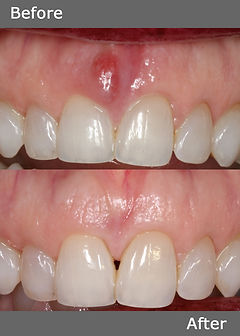
Gingivitis (Early Stage) The mildest form of gum disease, gingivitis involves inflammation of the gums without bone or attachment loss. Caused by plaque buildup along the gumline, gingivitis symptoms include: red, swollen gums instead of healthy pink, bleeding when brushing or flossing, tender gums, and sometimes bad breath. Good news: Gingivitis is completely reversible with professional cleaning and improved home care. Without treatment, gingivitis progresses to periodontitis.
Periodontitis (Advanced Stage) Untreated gingivitis advances to periodontitis, where inflammation extends deeper, destroying the bone and fibers supporting teeth. Periodontitis causes: gum recession exposing tooth roots, periodontal pockets (spaces between teeth and gums) harboring bacteria, bone loss visible on X-rays, loose or shifting teeth, pus between teeth and gums, and eventual tooth loss if untreated. Periodontitis is irreversible but controllable with professional treatment and maintenance.
Advanced Periodontitis Severe gum disease involves extensive bone loss, very deep pockets (7mm+), significant tooth mobility, and frequent abscess formation. Multiple teeth may require extraction due to insufficient support.
What Causes Gum Disease?
Primary Cause: Bacterial Plaque Plaque is a sticky film of bacteria that constantly forms on teeth. When plaque isn’t removed daily through brushing and flossing, bacteria produce toxins that irritate gums and trigger inflammatory responses, beginning the disease process.
Tartar (Calculus) Plaque that remains on teeth for 24-48 hours hardens into tartar, a rough, porous deposit that can only be removed by professional cleaning. Tartar provides an ideal surface for more plaque accumulation, accelerating disease progression.
Risk Factors Increasing Gum Disease Risk:
Poor Oral Hygiene Inadequate brushing and not flossing allow plaque accumulation and tartar formation.
Smoking and Tobacco Use Smoking is the #1 preventable risk factor for gum disease. It: impairs blood flow to gums, weakens immune response to bacteria, masks symptoms by reducing bleeding, decreases treatment success rates, and accelerates bone loss. Smokers are 2-7 times more likely to develop gum disease than non-smokers.
Genetics Approximately 30% of the population has genetic predisposition to gum disease, making them 6 times more likely to develop periodontitis despite good oral hygiene.
Diabetes Diabetes and gum disease have a two-way relationship. High blood sugar increases gum disease risk and severity, while gum disease makes blood sugar control more difficult. Diabetic patients need extra vigilance with oral hygiene and regular dental care.
Hormonal Changes Pregnancy, menstruation, and menopause cause hormonal fluctuations that increase gum sensitivity and disease susceptibility. “Pregnancy gingivitis” affects 60-75% of pregnant women.
Medications Hundreds of medications cause dry mouth as a side effect, reducing saliva’s protective effects. Others cause abnormal gum tissue growth, complicating oral hygiene.
Stress Chronic stress impairs immune system function, reducing the body’s ability to fight infections including gum disease.
Poor Nutrition Inadequate vitamin C and other nutrients compromise immune function and tissue health.
Teeth Grinding (Bruxism) Excessive forces on teeth from grinding can damage periodontal tissues, accelerating bone loss in patients with existing gum disease.
Warning Signs of Gum Disease
Many people have gum disease without realizing it. Warning signs include:
- Red, swollen, or tender gums
- Bleeding gums when brushing, flossing, or eating
- Persistent bad breath (halitosis) or bad taste
- Receding gums or teeth appearing longer
- Loose or shifting teeth
- Changes in bite or denture fit
- Pus between teeth and gums
- Spaces developing between teeth
- Gums pulling away from teeth
Our Gum Disease Treatments:
Professional Dental Cleaning (Prophylaxis) For gingivitis and early gum disease, thorough professional cleaning removes plaque and tartar, allowing gums to heal. Combined with improved home care, this reverses gingivitis.
Scaling and Root Planing (Deep Cleaning) The primary treatment for periodontitis involves deep cleaning below the gumline:
- Scaling removes plaque and tartar from tooth surfaces and below gums
- Root planing smooths root surfaces, removing bacterial toxins and helping gums reattach
- Usually performed under local anesthesia in 1-2 appointments
- Often treats one or two quadrants per visit
Antibiotic Therapy Antibiotics supplement mechanical cleaning to control infection:
- Topical antibiotics placed directly in periodontal pockets
- Oral antibiotics for aggressive or widespread infections
- Antimicrobial mouth rinses for home use
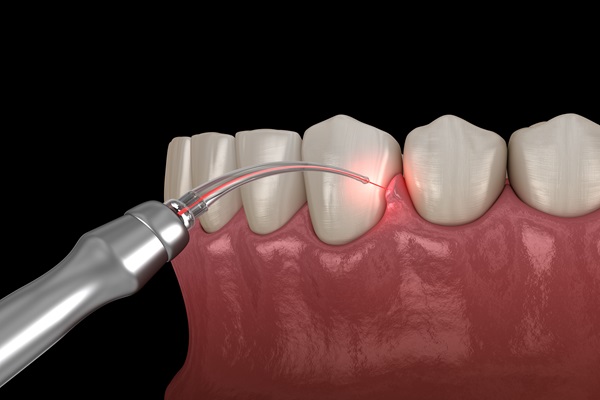
Laser Gum Treatment Advanced laser technology offers minimally invasive gum disease treatment:
- Removes diseased tissue and bacteria
- Less discomfort and faster healing than traditional surgery
- Promotes tissue regeneration
- Ideal for moderate periodontitis
Periodontal Surgery Advanced cases may require surgical intervention:
- Flap Surgery: Gums lifted back to allow deeper cleaning and bone recontouring
- Bone Grafts: Replace lost bone to restore support
- Soft Tissue Grafts: Cover exposed roots and rebuild receded gums
- Guided Tissue Regeneration: Encourages bone and tissue regrowth
Periodontal Maintenance After active treatment, ongoing maintenance prevents disease recurrence:
- Professional cleanings every 3-4 months (more frequent than standard 6-month cleanings)
- Monitoring of pocket depths and attachment levels
- Reinforcement of home care techniques
- Early intervention if disease shows signs of returning