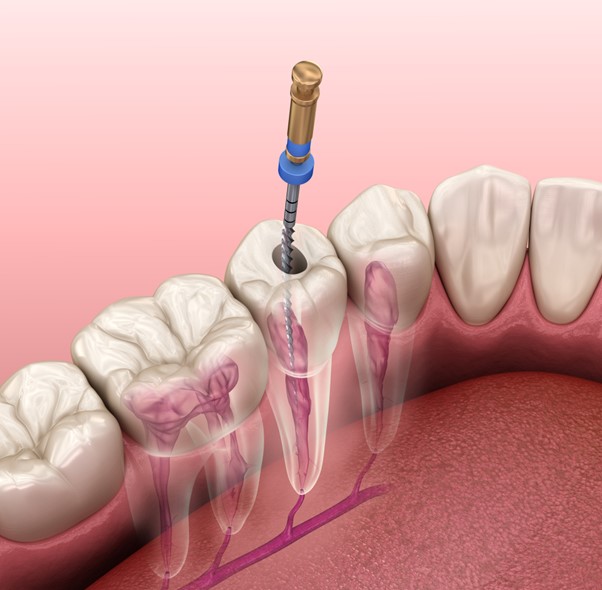
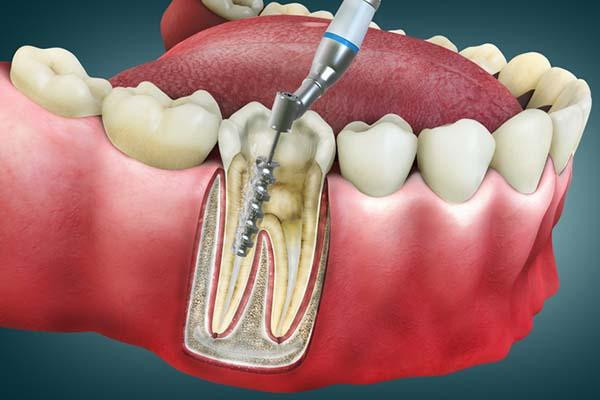
Modern root canal treatment is a comfortable, pain-relieving procedure that saves severely damaged or infected teeth from extraction. Understanding what necessitates root canal treatment and how it works helps alleviate anxiety.
Inside each tooth, beneath the white enamel and hard dentin layer, lies soft tissue called dental pulp. This pulp contains blood vessels, nerves, and connective tissue that nourished the tooth during development. When teeth are fully mature, they can survive without pulp because surrounding tissues continue providing nourishment.
What Causes Root Canal Problems?
Several factors can cause pulp infection, inflammation, or death, requiring root canal treatment:
Deep Tooth Decay The most common cause of pulp infection is untreated cavities that penetrate through enamel and dentin layers, allowing bacteria to reach the pulp chamber. Once bacteria invade the pulp, infection spreads throughout the root canal system, causing severe pain and abscess formation.
Repeated Dental Procedures Multiple procedures on the same tooth (fillings, crowns, etc.) can irritate and inflame the pulp over time, eventually compromising its health even without bacterial infection.
Cracks or Chips in Teeth Even minor cracks provide pathways for bacteria to reach the pulp. Cracked teeth often cause intermittent pain and eventually lead to pulp infection.
Trauma or Injury A blow to a tooth can damage the pulp immediately or years later. Sometimes pulp dies gradually after trauma, even if the tooth appears intact externally.
Severe Gum Disease Advanced periodontal disease can expose root surfaces and allow bacteria to enter through accessory canals, infecting the pulp from the outside.
Signs You Need Root Canal Treatment
Recognizing symptoms early allows prompt treatment, potentially saving your tooth and preventing more serious complications:
Severe, Persistent Toothache
- Intense pain when chewing or applying pressure
- Pain that wakes you at night
- Throbbing pain that doesn’t respond well to pain medication
- Pain that radiates to jaw, ear, or other teeth
Prolonged Sensitivity
- Sharp pain when consuming hot foods or beverages
- Lingering discomfort with cold that persists after the stimulus is removed
- Sensitivity lasting more than a few seconds indicates pulp inflammation
Tooth Discoloration
- Grayish, dark yellow, or brown discoloration
- Darkening often indicates pulp death and internal tissue breakdown
Swollen, Tender Gums
- Swelling near the affected tooth
- Tender, painful bump on gums (abscess)
- Recurring or persistent pimple-like swelling that may drain pus
Other Warning Signs
- Bad taste in mouth
- Persistent bad breath despite good hygiene
- Loose tooth
- Visible hole or large cavity in tooth
Our Root Canal Services:
- Microscopic precision techniques using dental operating microscopes for superior accuracy
- Rotary instrumentation for efficient, thorough cleaning
- Advanced pain management and sedation options for anxious patients
- Digital imaging and 3D CBCT scans for accurate diagnosis and treatment planning
- Ultrasonic irrigation for complete canal disinfection
- High success rates exceeding 95% with minimal post-treatment discomfort