
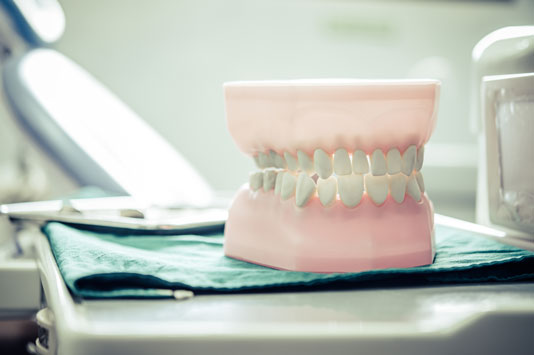
Losing multiple teeth can significantly impact your quality of life, affecting everything from eating and speaking to self-confidence and social interactions. Dentures offer a time-tested, effective solution for replacing missing teeth and restoring your smile. Modern denture technology has advanced considerably, providing comfortable, natural-looking options that can dramatically improve your oral function and appearance.
Understanding Dentures
What Are Dentures?
Dentures are removable prosthetic devices designed to replace missing teeth and surrounding tissues. They serve multiple important functions:
- Restore ability to chew food properly
- Improve speech clarity
- Support facial muscles and structure
- Enhance smile aesthetics
- Boost self-confidence and quality of life
- Prevent remaining teeth from shifting
Who Needs Dentures?
Ideal Candidates:
- People missing most or all teeth in one or both arches
- Patients with severely damaged teeth requiring extraction
- Those unable to afford or not suitable for dental implants
- Individuals seeking removable tooth replacement
- People with significant bone loss affecting implant placement
Reasons for Tooth Loss:
- Advanced periodontal (gum) disease
- Extensive tooth decay
- Trauma or injury
- Genetic conditions affecting teeth
- Age-related tooth loss
- Failed dental treatments
Types of Dentures
Complete (Full) Dentures
Conventional Complete Dentures:
- Replace all teeth in upper or lower arch
- Made after teeth extracted and gums healed (8-12 weeks)
- Custom-fitted to mouth for optimal comfort
- Rest on gum tissue and underlying bone
- Held in place by suction and oral muscles
Immediate Complete Dentures:
- Placed immediately after tooth extraction
- No waiting period without teeth
- Made from pre-extraction impressions
- Require adjustments as gums heal and shrink
- More expensive but eliminates edentulous period
- May need replacement after healing completes
Partial Dentures
Removable Partial Dentures:
- Replace several missing teeth (not all)
- Attach to remaining natural teeth with clasps or precision attachments
- Prevent remaining teeth from shifting
- Less invasive than bridges
- Can be removed for cleaning
Cast Metal Partial Dentures:
- Metal framework for strength and durability
- Thinner and more comfortable than acrylic
- Better fit and stability
- More expensive but longer-lasting
- Excellent for long-term use
Flexible Partial Dentures:
- Made from flexible nylon material
- Lightweight and comfortable
- No visible metal clasps
- More aesthetic than traditional partials
- Ideal for patients allergic to acrylic or metal
Acrylic Partial Dentures:
- All-plastic construction
- Most affordable option
- Good temporary solution
- Bulkier than metal partials
- May require more frequent replacement
Implant-Supported Dentures
Implant-Retained Dentures (Overdentures):
- Attached to 2-4 dental implants
- Removable by patient for cleaning
- More stable than traditional dentures
- Prevents bone loss better than conventional dentures
- Better chewing efficiency
Implant-Supported Fixed Dentures (All-on-4/All-on-6):
- Permanently attached to 4-6 implants per arch
- Non-removable by patient (only dentist removes)
- Most stable and natural-feeling option
- Functions almost like natural teeth
- Highest cost but best long-term solution
- Available at specialized dental clinics in Nairobi
The Denture Process
Initial Consultation and Planning
Comprehensive Evaluation:
- Oral Examination: Complete assessment of teeth, gums, and bone
- X-rays and Imaging: Evaluate bone structure and remaining teeth
- Medical History Review: Identify conditions affecting treatment
- Discussion of Options: Explaining different denture types
- Treatment Planning: Customized approach for your situation
- Cost Estimation: Transparent pricing and payment options
Pre-Denture Procedures:
- Tooth extractions if necessary
- Treatment of gum disease
- Bone grafting if needed for implants
- Healing period before final impressions
- Temporary dentures during healing
Creating Custom Dentures
Step 1: Preliminary Impressions (Week 1):
- Initial molds of upper and lower jaws
- Stock trays used for general shape
- Sent to laboratory for custom tray fabrication
- Foundation for precise final impressions
Step 2: Final Impressions (Week 2-3):
- Custom trays ensure accurate fit
- Multiple impression materials for detail
- Records jaw relationship and bite position
- Captures unique contours of mouth
- Critical for comfortable, well-fitting dentures
Step 3: Bite Registration (Week 3-4):
- Determines proper jaw relationship
- Records how upper and lower jaws meet
- Uses wax rims to establish vertical dimension
- Ensures natural facial appearance
- Prevents jaw joint problems
Step 4: Try-In Appointment (Week 4-5):
- Dentures set in wax for evaluation
- Check fit, bite, and appearance
- Assess tooth size, shape, and color
- Make necessary adjustments
- Patient feedback incorporated
- Final approval before processing
Step 5: Final Delivery (Week 5-6):
- Completed dentures placed in mouth
- Final adjustments for comfort
- Instructions on insertion and removal
- Guidance on care and maintenance
- Expected adjustment period discussed
- Follow-up appointments scheduled
Adjustment Period
What to Expect Initially:
- Feeling of fullness or bulkiness
- Increased saliva production
- Minor soreness or irritation
- Speech changes (temporary)
- Difficulty eating certain foods
- Learning curve for denture management
Timeline for Adaptation:
- Week 1-2: Most significant adjustment period, focus on soft foods
- Week 3-4: Improved comfort, speech normalizing, expanding diet
- Month 2-3: Becoming more natural, most activities comfortable
- Month 3+: Full adaptation, dentures feel more natural
Follow-Up Adjustments:
- Multiple adjustment appointments normal
- Relief of sore spots
- Refinement of bite
- Addressing stability issues
- Usually 3-5 adjustment visits needed
Living with Dentures
Eating with Dentures
Initial Dietary Guidelines:
- Start with soft foods (yogurt, mashed potatoes, eggs)
- Cut food into small pieces
- Chew slowly and evenly on both sides
- Avoid sticky or hard foods initially
- Gradually introduce more challenging foods
- Stay patient during learning process
Foods to Approach Carefully:
- Sticky Foods: Caramel, peanut butter, chewing gum (can dislodge dentures)
- Hard Foods: Nuts, hard candies, raw carrots (may damage dentures)
- Tough Meats: Cut into very small pieces, chew carefully
- Corn on Cob: Cut kernels off cob before eating
- Whole Apples: Slice into small pieces
Long-Term Eating Success:
- Most foods manageable with practice
- Proper denture fit crucial for eating comfort
- Regular adjustments maintain function
- Denture adhesive helps with difficult foods
- Implant-supported options offer best chewing efficiency
Speaking with Dentures
Common Speech Challenges:
- Difficulty pronouncing certain sounds (S, F, TH)
- Clicking or whistling noises
- Dentures feeling loose while talking
- Changed resonance of voice
- Increased saliva affecting articulation
Improving Speech:
- Practice reading aloud daily
- Repeat difficult words slowly
- Speak slowly initially, gradually increase speed
- Record yourself to identify problem sounds
- Most issues resolve within weeks
- Speech therapy available if persistent problems
Tips for Clearer Speech:
- Swallow before speaking to position dentures
- Keep dentures properly fitted
- Use denture adhesive if recommended
- Practice tongue and lip exercises
- Maintain good posture while speaking
Daily Denture Care
Cleaning Routine:
- Remove and rinse after every meal
- Brush dentures daily with soft denture brush
- Use denture cleanser (not regular toothpaste)
- Soak overnight in denture solution
- Rinse thoroughly before reinserting
- Clean with cool or lukewarm water (never hot)
Handling Dentures Safely:
- Handle over soft towel or water-filled sink
- Avoid dropping (can break or warp)
- Don’t bend or damage clasps
- Keep away from children and pets
- Store in water or denture solution when not wearing
- Never let dentures dry out completely
Oral Hygiene with Dentures:
- Brush gums, tongue, and palate daily
- Use soft-bristled toothbrush for oral tissues
- Rinse mouth thoroughly before reinserting dentures
- Massage gums to stimulate circulation
- Clean any remaining natural teeth
- Regular dental checkups even with complete dentures
Using Denture Adhesive
When Adhesive Helps:
- Enhances stability and retention
- Increases biting force
- Reduces food particles under dentures
- Provides confidence in social situations
- Helpful for lower dentures (less natural retention)
Proper Adhesive Use:
- Apply to clean, dry dentures
- Use small amount (pea-sized dots)
- Don’t use to fix ill-fitting dentures
- Remove excess that oozes out
- Clean off old adhesive daily
- Should enhance fit, not compensate for poor fit
When to Avoid Adhesive:
- New dentures still being adjusted
- Dentures fit well without adhesive
- Allergies to adhesive ingredients
- Excessive adhesive needed indicates refit necessary
Maintaining Denture Health
Regular Dental Checkups
Importance of Professional Care:
- Monitor denture fit and condition
- Examine oral tissues for problems
- Check for oral cancer signs
- Professional cleaning of dentures
- Adjust or reline as needed
- Evaluate bone and gum changes
Recommended Schedule:
- Every 6 months for checkups
- Immediately if problems arise
- Annual comprehensive oral examination
- More frequent if gum or bone issues
- Available at dental clinics throughout Nairobi
Recognizing Problems
Signs Dentures Need Attention:
- Persistent sore spots or ulcers
- Dentures rocking or moving excessively
- Clicking sounds when eating or speaking
- Difficulty keeping dentures in place
- Changes in bite or jaw alignment
- Visible cracks or chips
- Broken or bent clasps
Oral Health Warnings:
- White or red patches in mouth
- Bleeding gums or tissues
- Persistent bad breath
- Lumps or swelling
- Pain or burning sensations
- Changes in taste
- Difficulty swallowing
Denture Repairs and Adjustments
Common Repairs:
- Relining (new fitting surface)
- Adding teeth to existing denture
- Fixing cracks or breaks
- Replacing broken clasps
- Adjusting bite alignment
When Replacement Needed:
- After 5-8 years typical lifespan
- Significant bone or gum changes
- Severe wear or damage
- Poor fit despite adjustments
- Facial appearance changes
- Advancement in denture technology
Cost Considerations
Investment in Dentures
Factors Affecting Cost:
- Type of denture (complete, partial, implant-supported)
- Materials used (acrylic, metal, flexible)
- Complexity of case
- Number of adjustment appointments
- Laboratory fees
- Dentist’s expertise and location
Price Ranges:
- Basic Acrylic Dentures: Most affordable option
- Premium Dentures: Better aesthetics and fit
- Implant-Supported: Highest initial cost, best long-term value
- Partial Dentures: Vary by type and complexity
Long-Term Financial Planning:
- Maintenance and adjustment costs
- Replacement every 5-8 years typically
- Repair costs for damage
- Adhesive and cleaning supplies
- Regular dental checkups
- Consider total cost of ownership
Insurance and Payment Options
Insurance Coverage:
- Many plans cover portion of denture costs
- Coverage varies by plan type
- May have waiting periods
- Annual maximums may apply
- Understand benefits before treatment
Financing Solutions:
- Payment plans offered by most dental practices
- Medical credit cards for dental work
- Personal loans for extensive treatment
- Some clinics offer in-house financing
- Discuss options during consultation in Nairobi
Alternatives to Traditional Dentures
Modern Options
Dental Implants:
- Individual tooth replacement
- Most natural option available
- Best for preserving bone
- Higher initial cost
- Excellent long-term investment
Implant-Supported Solutions:
- All-on-4 or All-on-6 systems
- Fixed full-arch restoration
- Superior stability and function
- Prevents bone loss
- Available at specialized clinics
Hybrid Dentures:
- Combination of fixed and removable
- Balanced approach to restoration
- Moderate cost option
- Good stability with some flexibility
Choosing the Right Solution
Decision Factors:
- Overall oral health status
- Bone density and quality
- Budget and financial resources
- Lifestyle and preferences
- Long-term goals
- Medical conditions affecting treatment
Special Considerations
Dentures for Seniors
Age-Related Factors:
- Changes in bone and gum tissue
- Multiple medications affecting oral health
- Dexterity issues with denture handling
- Cognitive considerations for care
- Nutritional needs and eating challenges
Support Systems:
- Family assistance with care
- Simplified cleaning routines
- Regular professional maintenance
- Nutritional counseling
- Occupational therapy if needed
Managing Bone Loss
Preventing Bone Resorption:
- Regular denture adjustments and relining
- Consider implant-supported options
- Maintain good nutrition
- Don’t wear dentures 24/7
- Exercise jaw muscles regularly
Bone Grafting Options:
- Can restore lost bone for implants
- Various grafting materials available
- Staged treatment approach
- Improves denture retention
- Available at advanced dental clinics
Medical Conditions and Dentures
Diabetes Considerations:
- Increased healing time
- Higher infection risk
- More frequent adjustments needed
- Excellent oral hygiene crucial
- Regular monitoring essential
Medications Affecting Dentures:
- Drugs causing dry mouth
- Blood thinners affecting procedures
- Medications affecting bone density
- Steroids impacting healing
- Discuss all medications with dentist
Psychological Aspects
Emotional Adjustment
Common Feelings:
- Initial self-consciousness
- Concerns about appearance
- Anxiety about dentures being noticed
- Frustration during adjustment period
- Grief for lost natural teeth
Building Confidence:
- Remember adjustment takes time
- Focus on improved appearance and function
- Practice in private before social situations
- Share concerns with dental team
- Join support groups if helpful
- Celebrate progress and improvements
Social Considerations
Dating and Relationships:
- Most people won’t notice well-fitted dentures
- Honesty in intimate relationships
- Focus on overall health improvement
- Modern dentures look very natural
- Confidence matters most
Professional Life:
- Dentures shouldn’t impact career
- Practice speaking before presentations
- Use adhesive for extra confidence
- Most colleagues won’t notice
- Focus on improved oral health
Conclusion
Dentures represent a proven, effective solution for replacing missing teeth and restoring quality of life. Modern denture technology offers comfortable, natural-looking options that can dramatically improve your ability to eat, speak, and smile with confidence. While there is an adjustment period, most people adapt successfully and enjoy the benefits of their restored smile.
Choosing the right type of denture, working with experienced dental professionals, and committing to proper care ensures the best possible outcomes. Whether you need complete dentures, partials, or are considering implant-supported options, solutions exist for every budget and situation.
If you’re experiencing tooth loss or struggling with ill-fitting dentures, don’t delay seeking professional help. Consult with a qualified dentist to discuss your options and develop a personalized treatment plan. Quality dental care is available throughout Nairobi, offering comprehensive denture services from initial consultation through long-term maintenance.
Take the first step toward reclaiming your smile and confidence. Schedule a denture consultation today and discover how modern prosthodontic solutions can transform your oral health and quality of life.
Etiam malesuada fermentum quam
Etiam varius sem sit amet enim lacinia venenatis. Mauris dolor nunc, semper sit amet nisl nec, venenatis scelerisque metus. Praesent auctor nulla felis, a varius quam finibus quis. Nullam volutpat non magna et venenatis. Vestibulum porta odio ipsum, id pulvinar nulla pulvinar at. Maecenas placerat lacus lectus, ut viverra ipsum ultrices in.
Categories


Call Us Today
+254 700 219 219