Good oral hygiene is the foundation of dental health, yet many people don’t fully understand what it takes to maintain a healthy mouth. Proper oral care goes beyond just brushing your teeth—it’s a comprehensive approach that includes the right techniques, tools, and habits. Understanding and implementing effective oral hygiene practices can prevent most dental problems, save you money on treatments, and contribute to your overall health and well-being.
Why Oral Hygiene Matters
Beyond a Beautiful Smile
Preventing Dental Disease:
- Cavities and tooth decay
- Gum disease (gingivitis and periodontitis)
- Tooth loss and bone deterioration
- Bad breath (halitosis)
- Oral infections and abscesses
Impact on Overall Health:
- Heart disease and stroke risk
- Diabetes complications
- Respiratory infections
- Pregnancy complications
- Alzheimer’s disease connections
- General immune system health
Quality of Life Benefits:
- Confidence in social situations
- Better nutrition from proper chewing
- Clear speech and communication
- Pain-free daily living
- Lower healthcare costs
- Enhanced self-esteem
The Foundation: Proper Brushing Technique
How to Brush Correctly
The Right Method:
- Angle: Hold brush at 45-degree angle to gums
- Motion: Use gentle circular or short back-and-forth strokes
- Coverage: Brush outer, inner, and chewing surfaces of all teeth
- Tongue: Gently brush tongue to remove bacteria
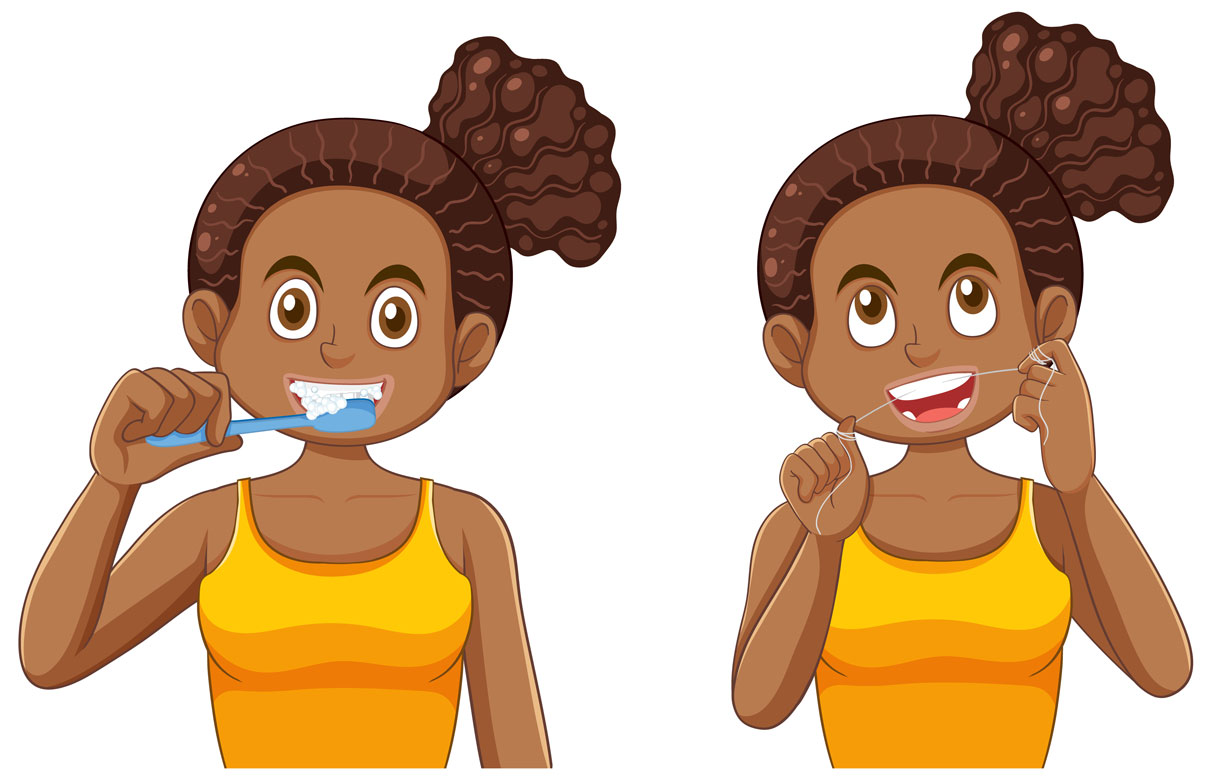
- Duration: Brush for full two minutes, twice daily
- Pressure: Use gentle pressure (not scrubbing)
Common Brushing Mistakes:
- Brushing too hard (damages enamel and gums)
- Using horizontal sawing motion
- Neglecting back teeth and gum line
- Rushing through brushing
- Skipping tongue cleaning
- Brushing immediately after acidic foods
Choosing the Right Toothbrush
Manual Toothbrush Selection:
- Bristle Softness: Always choose soft bristles
- Head Size: Small enough to reach all areas
- Handle: Comfortable grip for your hand
- Replacement: Every 3-4 months or when bristles fray
- ADA Seal: Look for approval seals when available
Electric Toothbrush Benefits:
- More effective plaque removal
- Built-in timers ensure adequate brushing
- Less effort required
- Better for people with limited dexterity
- Various brush heads for different needs
- Recommended by many dentists in Nairobi
Toothbrush Care:
- Rinse thoroughly after each use
- Store upright to air dry
- Don’t share toothbrushes
- Replace after illness
- Keep separate from other brushes
Toothpaste Selection
Key Ingredients:
- Fluoride: Strengthens enamel, prevents decay (most important)
- Abrasives: Remove stains and plaque
- Detergents: Create foam for cleaning
- Humectants: Prevent drying
- Flavoring: Makes brushing pleasant
Specialized Toothpastes:
- Sensitivity: For temperature-sensitive teeth
- Whitening: Contains mild abrasives for stain removal
- Tartar Control: Reduces tartar buildup
- Gum Health: Antibacterial ingredients
- Natural/Herbal: Plant-based formulations
How Much to Use:
- Adults: Pea-sized amount
- Children 3-6 years: Rice grain-sized amount
- Children under 3: Smear only
- More isn’t better (excess foam hinders brushing)
Flossing: The Essential Second Step
Why Flossing Is Crucial
What Brushing Misses:
- Removes plaque between teeth (40% of tooth surfaces)
- Cleans below gum line where brushing can’t reach
- Prevents cavities between teeth
- Reduces gum disease risk
- Eliminates food particles causing bad breath
Daily Flossing Benefits:
- Healthier gums (less bleeding, inflammation)
- Fresher breath
- Reduced cavity risk
- Prevention of tartar buildup
- Lower dental treatment costs
Proper Flossing Technique
Step-by-Step Guide:
- Length: Use 18 inches of floss
- Wrap: Wind most around middle fingers, leaving 2 inches to work with
- Guide: Hold taut between thumbs and forefingers
- Insert: Gently slide between teeth using back-and-forth motion
- Curve: Form C-shape around tooth base
- Motion: Move floss up and down against tooth surface
- Below Gums: Gently go beneath gum line
- Each Space: Use clean section for each tooth
- All Teeth: Don’t forget back teeth
Common Flossing Mistakes:
- Snapping floss into gums (causes damage)
- Only going between teeth (not below gum line)
- Using same section repeatedly
- Skipping difficult-to-reach areas
- Giving up when gums bleed initially
- Not flossing daily
Types of Floss
Traditional Floss:
- Waxed: Slides easily, good for tight spaces
- Unwaxed: Squeaks when clean, thinner
- Tape: Broader, gentle on gums
- Flavored: Makes flossing more pleasant
Alternative Flossing Tools:
- Floss Picks: Convenient, good for travel, single-use
- Water Flossers: Use water pressure, excellent for braces/implants
- Interdental Brushes: Tiny brushes for larger spaces
- Floss Threaders: Help floss under bridges, braces
- Air Flossers: Use air and water droplets
Mouthwash: The Finishing Touch
Benefits of Mouthwash
What Mouthwash Does:
- Reduces bacteria in mouth
- Freshens breath
- Reaches areas brushing and flossing miss
- Strengthens enamel (fluoride rinses)
- Reduces plaque formation
- Soothes minor irritations
Types of Mouthwash:
- Cosmetic: Freshens breath temporarily
- Therapeutic: Contains active ingredients for oral health
- Fluoride Rinses: Strengthen enamel, prevent decay
- Antiseptic: Kill bacteria, reduce plaque and gingivitis
- Natural: Plant-based ingredients
Using Mouthwash Correctly
Proper Technique:
- Use after brushing and flossing
- Pour recommended amount (usually 20ml)
- Swish vigorously for 30-60 seconds
- Reach all areas of mouth
- Don’t swallow
- Avoid eating/drinking for 30 minutes after
Mouthwash Considerations:
- Not a substitute for brushing and flossing
- Alcohol-free options available
- Children should use age-appropriate rinses
- Consult dentist for specific recommendations
- Some medications interact with mouthwash
Additional Oral Hygiene Tools
Tongue Scrapers
Benefits:
- Removes bacteria from tongue surface
- Reduces bad breath significantly
- Improves taste sensation
- Decreases bacterial load in mouth
How to Use:
- Gently scrape from back to front
- Rinse scraper between strokes
- Use daily, preferably in morning
- Clean scraper after use
Interdental Brushes
When They’re Helpful:
- Larger spaces between teeth
- Around braces and bridges
- Cleaning implants
- Gum recession creating gaps
- Recommended by dental professionals
Proper Use:
- Choose correct size (snug but not tight)
- Insert gently between teeth
- Move in and out several times
- Don’t force into tight spaces
- Replace when bristles wear
Water Flossers
Advantages:
- Easy to use for people with dexterity issues
- Excellent for braces, implants, bridges
- Gentle on sensitive gums
- Effective plaque removal
- Massages and stimulates gums
Best Practices:
- Use after brushing
- Aim at gum line at 90-degree angle
- Use lukewarm water
- Start with lowest pressure setting
- Work systematically through all teeth
Diet and Oral Health
Foods That Promote Dental Health
Tooth-Friendly Foods:
- Dairy Products: Calcium and phosphates strengthen teeth
- Crunchy Fruits/Vegetables: Natural tooth cleaners (apples, carrots, celery)
- Leafy Greens: Vitamins and minerals for oral health
- Nuts and Seeds: Protein and healthy fats
- Fish: Omega-3s reduce inflammation
- Green and Black Tea: Polyphenols fight bacteria
- Water: Cleanses mouth, stimulates saliva
Nutrients for Oral Health:
- Calcium: Strengthens teeth and bones
- Vitamin D: Helps absorb calcium
- Vitamin C: Essential for gum health
- Phosphorus: Supports tooth enamel
- Vitamin A: Maintains mucous membranes
Foods and Drinks to Limit
Tooth-Damaging Foods:
- Sugary Snacks: Feed bacteria producing acid
- Sticky Candies: Cling to teeth prolonging exposure
- Acidic Foods: Erode enamel (citrus, tomatoes, pickles)
- Starchy Foods: Break down into sugars
- Hard Candies: Risk of chipping teeth plus prolonged sugar exposure
Beverages to Consume Carefully:
- Sodas: High sugar and acid content
- Sports Drinks: Acidic and sugary
- Fruit Juices: High natural sugar content
- Coffee and Tea: Can stain teeth
- Alcohol: Dries mouth, reducing protective saliva
Healthy Snacking Habits
Smart Strategies:
- Choose tooth-friendly snacks
- Rinse mouth with water after snacking
- Limit frequency of eating (constant snacking harmful)
- Chew sugar-free gum after meals
- Drink water throughout day
- Save sweets for mealtime
Special Considerations
Oral Hygiene with Braces
Additional Care Needed:
- Use orthodontic toothbrush or electric brush
- Brush after every meal
- Use threader or water flosser for flossing
- Interdental brushes for brackets
- Orthodontic wax for irritation
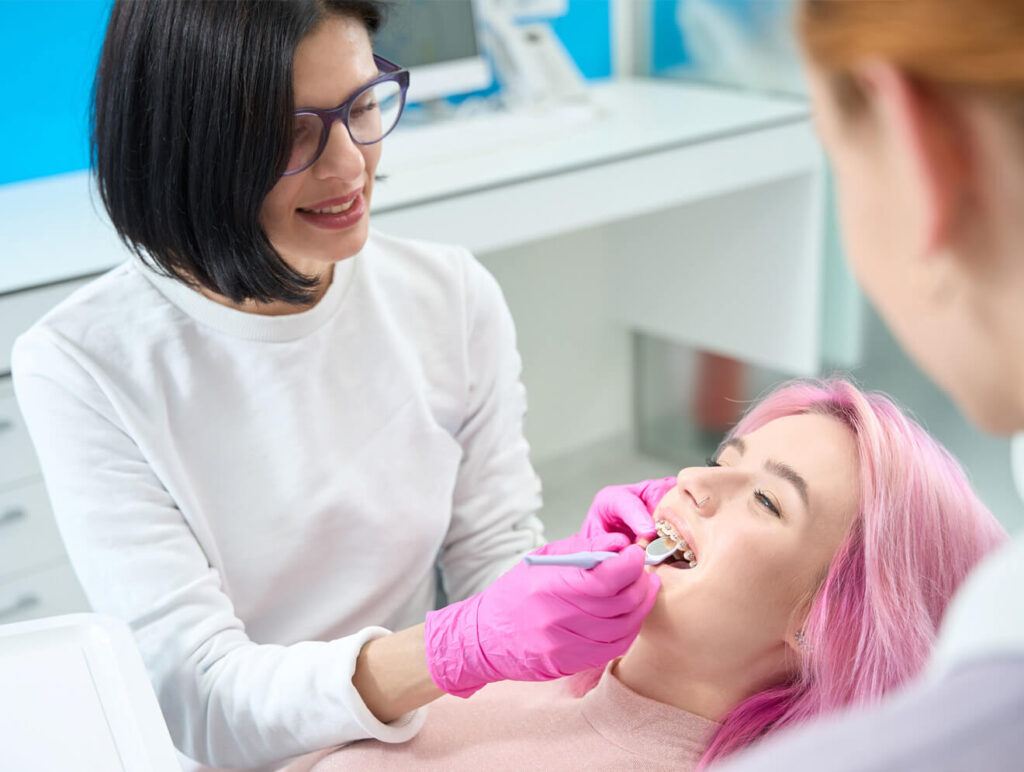
- Regular professional cleanings
Common Challenges:
- Food getting stuck in brackets
- Difficulty reaching all areas
- Increased plaque accumulation
- Gum inflammation around hardware
- Need for additional time and tools
Dental Implants and Bridges
Caring for Restorations:
- Brush carefully around implants
- Floss under bridges with threaders
- Water flossers excellent for implants
- Regular professional monitoring
- Special attention to gum line
Long-Term Maintenance:
- Follow dentist’s specific instructions
- May need special tools or techniques
- Regular professional cleanings essential
- Early problem detection prevents complications
Pregnancy and Oral Health
Hormonal Changes Affect Gums:
- Increased gingivitis risk
- Possible pregnancy granulomas
- Greater sensitivity to plaque
- Morning sickness affects teeth
Special Care During Pregnancy:
- Maintain excellent oral hygiene
- More frequent dental cleanings
- Address problems promptly
- Rinse after morning sickness
- Inform dentist of pregnancy
- Safe treatments available in Nairobi
Oral Care for Seniors
Age-Related Considerations:
- Medications causing dry mouth
- Arthritis affecting brushing ability
- Gum recession exposing roots
- Increased cavity risk
- Denture care if applicable
Adaptations:
- Electric toothbrushes for easier brushing
- Modified grip handles
- Water flossers for easier cleaning
- More frequent dental visits
- Fluoride supplements if needed
Creating an Effective Routine
Morning Oral Hygiene
Step-by-Step:
- Brush teeth for two minutes
- Clean tongue
- Floss thoroughly
- Rinse with mouthwash
- Clean any oral appliances
Timing:
- Before or after breakfast (both acceptable)
- If after eating, wait 30 minutes for acidic foods
- Consistency matters more than exact timing
Evening Oral Hygiene
Bedtime Routine:
- Brush teeth carefully
- Floss between all teeth
- Use mouthwash
- Clean dental appliances
- Leave mouth clean overnight
Why Night Cleaning Matters:
- Saliva production decreases during sleep
- Bacteria multiply more easily
- Critical time for cavity formation
- Prevents morning bad breath
Making It a Habit
Building Consistency:
- Same time and place daily
- Link to existing habits
- Keep supplies visible and accessible
- Set phone reminders initially
- Track progress for motivation
- Reward milestone achievements
Common Oral Hygiene Myths
Debunking Misconceptions
Myth: Brushing harder cleans better
- Reality: Gentle brushing is more effective and less damaging
Myth: You only need to floss if food is stuck
- Reality: Flossing removes invisible plaque and bacteria daily
Myth: Bleeding gums should be left alone
- Reality: Bleeding indicates inflammation; continue gentle cleaning
Myth: Sugar-free products are always safe for teeth
- Reality: Some sugar-free items contain acids that damage enamel
Myth: You don’t need dentist if teeth look fine
- Reality: Many problems are invisible; regular checkups essential
Myth: Whitening damages teeth
- Reality: Professional whitening is safe when properly done
Professional Dental Care
Regular Checkups and Cleanings
Recommended Frequency:
- Every 6 months for most people
- Every 3-4 months for gum disease patients
- As recommended based on individual risk
- Children same schedule as adults
What Happens During Checkups:
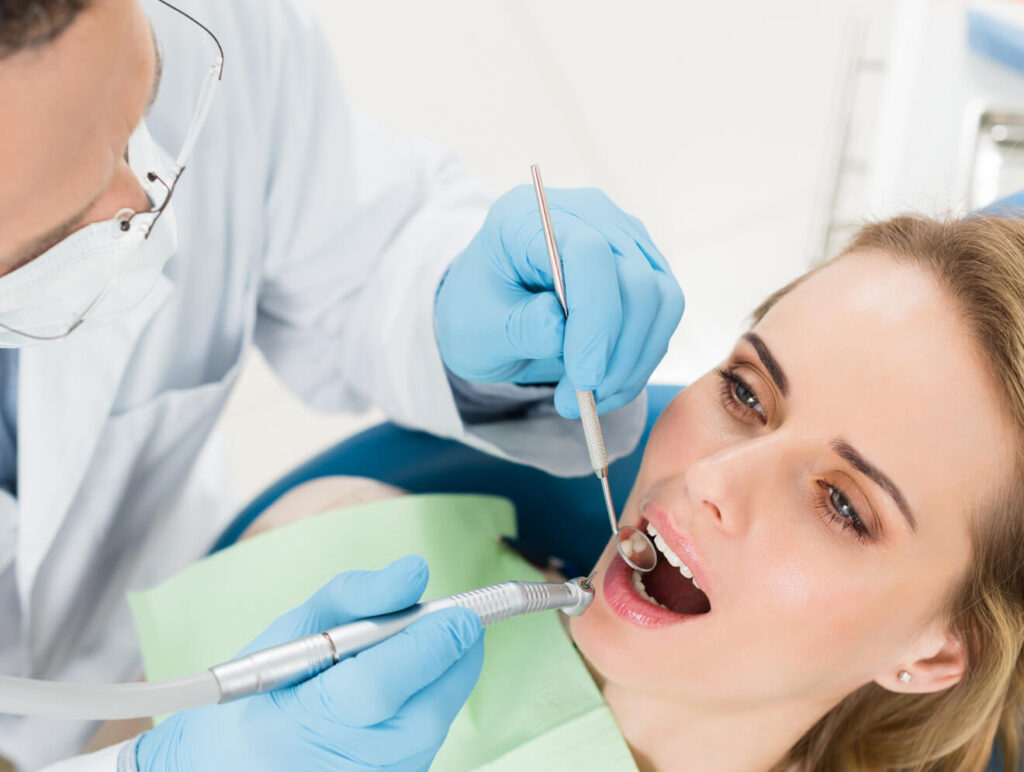
- Comprehensive oral examination
- X-rays as needed
- Professional cleaning and polishing
- Oral cancer screening
- Personalized advice
- Early problem detection
Benefits of Professional Care:
- Removes tartar that brushing can’t
- Detects problems early when easier to treat
- Professional assessment of technique
- Customized recommendations
- Prevention of major issues
- Available at dental clinics throughout Nairobi
When to See a Dentist Between Checkups
Warning Signs:
- Persistent toothache
- Bleeding or swollen gums
- Loose teeth
- Persistent bad breath
- Mouth sores lasting over two weeks
- Jaw pain or clicking
- Tooth sensitivity
Technology and Oral Hygiene
Smart Toothbrushes
Modern Features:
- Bluetooth connectivity and apps
- Real-time brushing feedback
- Pressure sensors
- Quadrant timers
- Progress tracking
- Personalized coaching
Benefits:
- Improved brushing habits
- Better coverage of all areas
- Motivating for children and adults
- Data for dental professionals
Apps and Reminders
Digital Support:
- Brushing timers and reminders
- Technique videos and guides
- Habit tracking
- Dental appointment reminders
- Educational content
- Progress rewards
Conclusion
Excellent oral hygiene is one of the most important investments you can make in your health. The combination of proper brushing, daily flossing, appropriate use of mouthwash, and regular professional care creates a strong foundation for lifelong dental health. While it requires daily commitment, the rewards—healthy teeth and gums, fresh breath, confidence in your smile, and prevention of costly dental problems—far outweigh the time investment.
Remember that oral hygiene is not just about following a routine; it’s about understanding why each step matters and performing each task correctly. Take time to learn proper techniques, choose quality tools, and create habits that work for your lifestyle. Your future self will thank you for the care you take today.
If you’re unsure about your current oral hygiene routine or want personalized guidance, schedule a consultation with a dental professional. Dentists throughout Nairobi can assess your oral health, demonstrate proper techniques, and recommend products suited to your specific needs.
Start today by committing to excellent oral hygiene. Your smile, health, and confidence depend on the daily habits you build. Make oral care a priority, and enjoy the benefits of a healthy, beautiful smile for life.
Etiam malesuada fermentum quam
Etiam varius sem sit amet enim lacinia venenatis. Mauris dolor nunc, semper sit amet nisl nec, venenatis scelerisque metus. Praesent auctor nulla felis, a varius quam finibus quis. Nullam volutpat non magna et venenatis. Vestibulum porta odio ipsum, id pulvinar nulla pulvinar at. Maecenas placerat lacus lectus, ut viverra ipsum ultrices in.
Categories


Call Us Today
+254 700 219 219