James Kimu
September 29, 2025
Understanding Gum Disease: Signs, Prevention, and Treatment Options
Gum disease affects millions of people worldwide and is one of the leading causes of tooth loss in adults. In Nairobi, like many urban areas, busy lifestyles and dietary changes have contributed to increased rates of gum disease. The good news is that gum disease is entirely preventable and, when caught early, completely reversible. Understanding the signs, stages, and treatment options can help you maintain healthy gums and preserve your natural teeth for life.
What is Gum Disease?
Gum disease, also known as periodontal disease, is an infection of the tissues that support your teeth. It’s caused by bacteria in plaque that builds up along and under the gum line. When these bacteria are not regularly removed through proper oral hygiene, they cause inflammation, bleeding, and eventually destruction of the gums and bone that support teeth.
The Two Main Stages of Gum Disease
Gingivitis (Early Stage):
- Inflammation of the gums only
- Gums become red, swollen, and bleed easily
- Usually painless in early stages
- Completely reversible with proper treatment
- Does not involve bone loss
Periodontitis (Advanced Stage):
- Infection spreads to deeper tissues and bone
- Forms pockets between gums and teeth
- Can cause tooth mobility and loss
- May require surgical treatment
- Can cause permanent damage if untreated
Recognizing the Warning Signs
Early Signs of Gingivitis
Be alert for these early warning signs that indicate gum problems:
- Bleeding gums during brushing or flossing
- Red, swollen gums that look puffy or enlarged
- Tender gums that are sensitive to touch
- Bad breath that persists despite brushing
- Metallic taste in the mouth
Advanced Signs of Periodontitis
If gingivitis progresses untreated, more serious symptoms develop:
- Persistent bad breath that doesn’t improve with oral hygiene
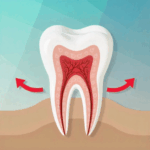
- Receding gums that make teeth appear longer
- Loose teeth or changes in bite alignment
- Pus between teeth and gums
- Pain while chewing
- Tooth sensitivity due to exposed roots
- Deep pockets between teeth and gums
When Gum Disease Becomes Serious
Seek immediate professional care at a Nairobi dental clinic if you experience:
- Sudden, severe gum pain
- Rapid tooth mobility
- Abscesses or pus discharge
- Systemic symptoms like fever
- Difficulty eating due to gum discomfort
Understanding the Causes and Risk Factors
Primary Causes
Bacterial Plaque:
- The main cause of gum disease
- Forms constantly in the mouth
- Contains harmful bacteria that irritate gums
- Hardens into tartar if not removed regularly
Poor Oral Hygiene:
- Inadequate brushing and flossing
- Irregular dental cleanings
- Improper cleaning technique
- Not cleaning hard-to-reach areas
Contributing Risk Factors
Several factors increase your risk of developing gum disease:
Lifestyle Factors:
- Smoking and tobacco use: Significantly increases risk and severity
- Stress: Weakens immune system and oral health
- Poor nutrition: Lacks nutrients needed for gum health
- Teeth grinding: Creates additional stress on supporting tissues
Medical Conditions:
- Diabetes: Impairs healing and increases infection risk
- Hormonal changes: Pregnancy, menopause affect gum sensitivity
- Certain medications: Can cause dry mouth or gum overgrowth
- Immune system disorders: Reduce body’s ability to fight infection
Genetic Factors:
- Family history of gum disease
- Genetic variations in immune response
- Inherited tooth and jaw characteristics
The Connection Between Gum Disease and Overall Health
Research has established strong links between gum disease and various systemic health conditions:
Cardiovascular Disease
- Bacteria from gum infections can enter bloodstream
- May contribute to heart disease and stroke risk
- Inflammation from gum disease affects entire body
- Managing gum disease may benefit heart health
Diabetes Complications
- Gum disease makes blood sugar control more difficult
- Diabetes increases susceptibility to gum infections
- Treating gum disease can improve diabetic control
- Regular dental care is essential for diabetic patients
Pregnancy Complications
- Gum disease increases risk of premature birth
- Hormonal changes during pregnancy affect gum health
- Extra dental care needed during pregnancy
- Safe treatments available for pregnant women in Nairobi
Other Health Connections
- Respiratory infections
- Rheumatoid arthritis
- Osteoporosis
- Certain types of cancer
Prevention Strategies That Work
Daily Oral Hygiene Excellence
Proper Brushing Technique:
- Brush at least twice daily with fluoride toothpaste
- Use soft-bristled toothbrush at 45-degree angle to gums
- Make gentle circular motions along gum line
- Brush for full two minutes
- Replace toothbrush every 3-4 months
Essential Flossing:
- Floss daily to remove plaque between teeth
- Use gentle up-and-down motions
- Curve floss around each tooth
- Don’t snap floss into gums
- Consider water flossers for easier cleaning
Supplementary Oral Care:
- Use antibacterial mouthwash to reduce bacteria
- Consider interdental brushes for larger spaces
- Clean your tongue to reduce bacteria
- Stay hydrated to maintain saliva production
Professional Preventive Care
Regular visits to Nairobi dental clinics provide:
- Professional cleanings every 6 months (or more frequently if recommended)
- Early detection of gum problems
- Scaling and root planing when needed
- Personalized prevention advice based on your risk factors
- Monitoring of existing gum conditions
Lifestyle Modifications for Gum Health
Smoking Cessation:
- Quit smoking to dramatically improve gum health
- Seek support from healthcare providers in Nairobi
- Consider nicotine replacement therapy if needed
- Understand that gum healing improves rapidly after quitting
Stress Management:
- Practice stress-reduction techniques
- Get adequate sleep for immune system health
- Exercise regularly to reduce inflammation
- Address stress-related teeth grinding
Nutritional Support:
- Eat foods rich in vitamin C for gum healing
- Include calcium and vitamin D for bone health
- Limit sugary and acidic foods that feed bacteria
- Stay well-hydrated throughout the day
Treatment Options Available in Nairobi
Non-Surgical Treatments
Professional Cleaning (Prophylaxis):
- Removes plaque and tartar above gum line
- Polishes teeth to prevent bacterial adhesion
- Recommended every 6 months for healthy gums
- First-line treatment for gingivitis
Scaling and Root Planing (Deep Cleaning):
- Removes plaque and tartar below gum line
- Smooths root surfaces to prevent bacterial adhesion
- May require local anesthesia for comfort
- Often completed in multiple visits
- Highly effective for early periodontitis
Antibiotic Therapy:
- Topical antibiotics placed in gum pockets
- Oral antibiotics for severe infections
- Helps control bacterial growth
- Used in conjunction with mechanical cleaning
- Prescribed by qualified dentists in Nairobi
Surgical Treatments for Advanced Cases
When non-surgical treatments aren’t sufficient, surgical options may be necessary:
Flap Surgery (Pocket Reduction):
- Lifts gums to remove deep tartar deposits
- Reduces pocket depths for easier cleaning
- Repositions gums for better fit around teeth
- Performed under local anesthesia
- Requires healing period and follow-up care
Bone Grafts:
- Replace bone destroyed by periodontitis
- Uses patient’s bone, donor bone, or synthetic materials
- Helps regenerate lost supporting structures
- May be combined with other surgical procedures
- Requires specialized periodontal expertise
Soft Tissue Grafts:
- Replace gum tissue lost to recession
- Uses tissue from patient’s palate or donor sources
- Covers exposed tooth roots
- Improves appearance and reduces sensitivity
- Protects roots from further recession
Guided Tissue Regeneration:
- Uses barriers to encourage natural healing
- Allows bone and connective tissue to regenerate
- Combined with grafting materials when needed
- Advanced technique requiring specialized training
- Available at select Nairobi dental clinics
Managing Gum Disease During Treatment
What to Expect During Recovery
Immediate Post-Treatment Care:
- Some discomfort and sensitivity are normal
- Bleeding may occur for first few days
- Avoid hard or spicy foods initially
- Use prescribed or recommended pain medication
- Follow all post-operative instructions carefully
Ongoing Maintenance:
- Modified oral hygiene routine during healing
- Gentle brushing with soft-bristled toothbrush
- Special rinses to promote healing
- Temporary dietary modifications
- Regular follow-up appointments
Long-term Management Strategies
Maintenance Therapy:
- More frequent professional cleanings (every 3-4 months)
- Regular monitoring of pocket depths
- Ongoing assessment of oral hygiene effectiveness
- Adjustments to home care routine as needed
- Lifetime commitment to prevent recurrence
Home Care Excellence:
- Consistent daily oral hygiene routine
- Proper technique with recommended products
- Regular self-monitoring for warning signs
- Immediate professional consultation for concerns
- Understanding that gum disease can recur
Special Considerations for Nairobi Residents
Environmental Factors
Air Quality Impact:
- Urban pollution may affect oral health
- Increased importance of thorough daily cleaning
- Consider air purification at home when possible
- Stay hydrated to maintain saliva protection
Water Quality Considerations:
- Ensure access to clean water for oral hygiene
- Consider water filtration if needed
- Discuss fluoride levels with your dentist
- Use bottled water if tap water quality is concerning
Cultural and Dietary Factors
Traditional Foods and Oral Health:
- Many traditional Kenyan foods support gum health
- Fresh fruits and vegetables provide essential nutrients
- Limit processed and sugary foods
- Balance traditional and modern dietary choices
Social and Economic Considerations:
- Seek affordable dental care options in Nairobi
- Prioritize preventive care to avoid costly treatments
- Look for community dental health programs
- Consider dental insurance or payment plans
Choosing the Right Dental Care in Nairobi
What to Look for in a Periodontal Specialist
Qualifications and Experience:
- Specialized training in gum disease treatment
- Experience with both non-surgical and surgical procedures
- Continuing education in latest techniques
- Good reputation among patients and colleagues
Technology and Techniques:
- Modern diagnostic equipment
- Advanced treatment options
- Minimally invasive procedures when possible
- Pain management and comfort measures
Patient Care Approach:
- Thorough examination and diagnosis
- Clear explanation of treatment options
- Respect for patient preferences and concerns
- Comprehensive aftercare and follow-up
Questions to Ask Your Nairobi Dentist
- What stage of gum disease do I have?
- What treatment options are available for my condition?
- How long will treatment take?
- What can I expect during recovery?
- How much will treatment cost?
- What payment options are available?
- How can I prevent recurrence?
The Cost-Effectiveness of Early Treatment
Comparing Treatment Costs
Early Intervention:
- Professional cleanings cost significantly less than surgery
- Prevention is always more affordable than treatment
- Early treatment prevents tooth loss and replacement costs
- Maintains natural teeth for lifetime function
Advanced Treatment Costs:
- Surgical procedures require significant investment
- Multiple appointments and longer treatment times
- Potential need for tooth replacement if teeth are lost
- Impact on work and daily activities during treatment
Insurance and Payment Options
Many Nairobi dental clinics offer:
- Flexible payment plans for extensive treatment
- Insurance processing and coordination
- Transparent pricing with detailed estimates
- Options for different budget levels
Living with Healthy Gums: Long-term Success
Maintaining Results
Success in treating gum disease requires:
- Consistent daily oral hygiene
- Regular professional maintenance visits
- Lifestyle modifications that support gum health
- Early intervention for any recurring problems
- Understanding that gum disease management is ongoing
Signs of Successful Treatment
Healthy gums after treatment should be:
- Pink in color (not red or purple)
- Firm to the touch (not soft or spongy)
- Free from bleeding during normal brushing
- Well-attached to teeth (no deep pockets)
- Comfortable during eating and speaking
Conclusion
Gum disease is a serious but preventable and treatable condition that affects not just your oral health, but your overall well-being. Understanding the warning signs, risk factors, and treatment options empowers you to take control of your gum health and preserve your natural teeth for life.
The key to successfully managing gum disease lies in early detection, professional treatment when needed, and consistent long-term maintenance. With excellent dental care available throughout Nairobi and a commitment to good oral hygiene habits, you can prevent gum disease or successfully manage it if it develops.
Don’t wait for symptoms to worsen. If you’ve noticed any signs of gum disease, schedule a consultation with a qualified dental professional in Nairobi today. Your gums – and your overall health – will thank you for taking action now rather than waiting for more serious problems to develop.
Remember, healthy gums are the foundation of a healthy smile and contribute significantly to your quality of life. Invest in your gum health today for a lifetime of confident smiles and optimal oral function.